4 Circadian Lighting Techniques: Boost Daytime Focus by 25% at Home
Advertisements
Optimizing your home's lighting with circadian principles can dramatically improve daytime focus and productivity, offering a natural and effective boost to cognitive function and overall well-being.
Have you ever noticed how some days you feel incredibly sharp and productive, while others you struggle to concentrate, even when well-rested? The secret might not just be in your sleep quality, but in your light environment. Understanding and implementing circadian lighting techniques in your home can significantly enhance your daytime focus by up to 25%, transforming your personal and professional productivity.
Understanding circadian rhythms and their impact on focus
Our bodies operate on a roughly 24-hour internal clock, known as the circadian rhythm. This rhythm dictates various physiological processes, including sleep-wake cycles, hormone release, and even cognitive function. Light, particularly natural daylight, is the primary zeitgeber, or external cue, that synchronizes this internal clock. When our internal clock is out of sync with our external environment, often due to artificial lighting that doesn't mimic natural patterns, our focus, mood, and overall well-being can suffer.
The impact of light on our circadian rhythm is profound. Exposure to bright, blue-enriched light in the morning signals to our brain that it's daytime, suppressing melatonin production and promoting alertness and cognitive performance. Conversely, exposure to dim, warm light in the evening allows melatonin to rise, preparing our bodies for sleep. Disrupting this natural cycle with inappropriate lighting can lead to fatigue, reduced concentration, and even long-term health issues.
The science behind light and alertness
Specific photoreceptors in our eyes, called intrinsically photosensitive retinal ganglion cells (ipRGCs), are particularly sensitive to blue light. These cells communicate directly with the suprachiasmatic nucleus (SCN) in the hypothalamus, our body's master clock. When ipRGCs detect blue light, they signal the SCN to suppress melatonin and increase cortisol, leading to heightened alertness. This mechanism highlights why the quality and timing of light exposure are critical for maintaining optimal daytime focus.
- Blue light sensitivity: ipRGCs are most sensitive to wavelengths around 480 nm (blue light).
- Melatonin suppression: Blue light exposure during the day effectively suppresses melatonin, keeping us awake and alert.
- Cortisol regulation: Proper light exposure helps regulate cortisol levels, influencing stress response and energy.
- Cognitive benefits: Studies show that optimized light environments can improve reaction time, reduce errors, and enhance overall cognitive performance.
By consciously managing the type and intensity of light we're exposed to throughout the day, we can actively support our circadian rhythms, leading to more sustained energy and sharper focus. This isn't just about avoiding bright screens at night; it's about proactively designing our indoor lighting to work in harmony with our biology.

Technique 1: Embrace bright, cool-toned light in the morning
The first and arguably most crucial circadian lighting technique for boosting daytime focus is to flood your home with bright, cool-toned light in the morning. This mimics the rising sun, signaling to your body that it's time to be awake and alert. Starting your day with the right light exposure can set a positive tone for your entire circadian rhythm, optimizing your energy and cognitive function for hours.
Natural daylight is rich in blue wavelengths, which are essential for suppressing melatonin and boosting cortisol, hormones vital for alertness. When natural light isn't sufficient, especially during darker seasons or in rooms without ample windows, artificial lighting can step in to fill this critical role. The goal is to replicate the intensity and color temperature of natural morning light as closely as possible.
Implementing morning light strategies
To effectively implement this, consider smart lighting systems that allow you to program light intensity and color temperature. These systems can gradually increase brightness and shift to cooler tones as your wake-up time approaches, simulating a natural sunrise. If smart lighting isn't an option, simply turning on bright, cool-white lights in your immediate environment as soon as you wake up can make a significant difference. Aim for light sources with a color temperature of 5000K to 6500K, which is similar to natural daylight.
- Sunrise alarm clocks: These devices gradually brighten your room, mimicking a natural sunrise.
- High-intensity, cool-white bulbs: Replace standard bulbs in your morning spaces (bedroom, bathroom, kitchen) with those rated 5000K-6500K.
- Positioning lights strategically: Place lights where they can directly illuminate your face and workspace to maximize exposure.
- Maximize natural light: Open blinds and curtains immediately upon waking to let in as much natural light as possible.
The immediate effect of bright, cool-toned morning light is a noticeable increase in alertness and a reduction in grogginess. Over time, consistent application of this technique can help regulate your sleep-wake cycle, leading to more consistent energy levels and improved cognitive performance throughout the day. It's a simple yet powerful adjustment that aligns your body with the natural rhythm of the day.
Technique 2: Maintain consistent, balanced light during the day
Once you've kickstarted your day with bright, cool-toned light, the next step is to maintain a consistent and balanced light environment throughout your working hours. This doesn't mean keeping the same intense light all day, but rather ensuring adequate illumination that supports sustained focus without causing eye strain or disrupting your circadian rhythm. The goal is to provide enough light to signal daytime alertness without overstimulating your system.
During midday, natural light is typically at its brightest and most balanced. Indoors, we often rely on a combination of natural and artificial sources. It's crucial to ensure that your workspace, whether it's a dedicated home office or a corner of your living room, receives sufficient illumination. Poorly lit environments can lead to eye fatigue, headaches, and decreased productivity, as your eyes work harder to process information.
Optimizing your daytime lighting setup
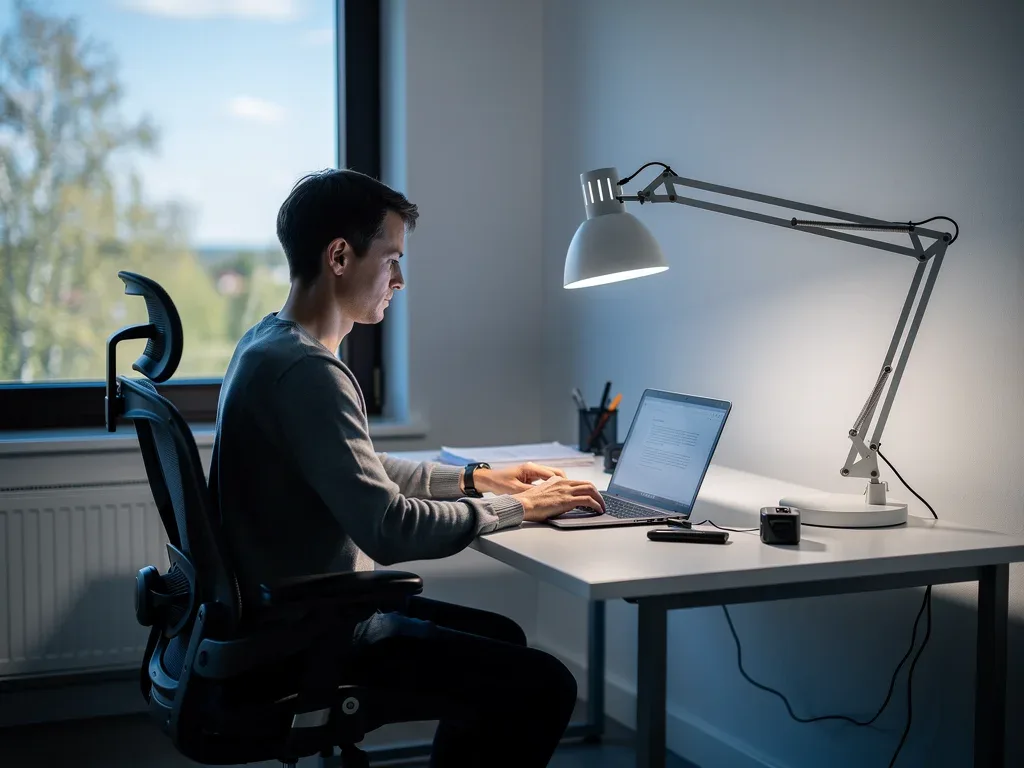
Consider using task lighting in addition to ambient light to ensure your immediate workspace is well-lit. Task lamps with adjustable brightness and color temperature can be particularly beneficial, allowing you to fine-tune the light to your specific needs. Aim for a color temperature in the neutral white range (around 4000K-5000K) for general daytime activities, as this closely resembles natural midday light and is conducive to concentration.
- Layered lighting: Combine ambient (general room lighting), task (desk lamp), and accent lighting (decorative) for a flexible setup.
- Adjustable desk lamps: Invest in lamps that allow you to change brightness and color temperature easily.
- Glare reduction: Position your screen and lights to minimize glare, which can cause eye strain and reduce focus.
- Utilize natural light: Arrange your workspace to take advantage of windows, but use sheer curtains or blinds to diffuse harsh direct sunlight.
Maintaining balanced light throughout the day helps to sustain the alertness initiated in the morning. It prevents the mid-afternoon slump often associated with insufficient light exposure and keeps your cognitive functions operating at their peak. Consistency in your light environment reinforces your circadian rhythm, leading to more stable energy levels and enhanced focus.
Technique 3: Gradually dim and warm lights in the evening
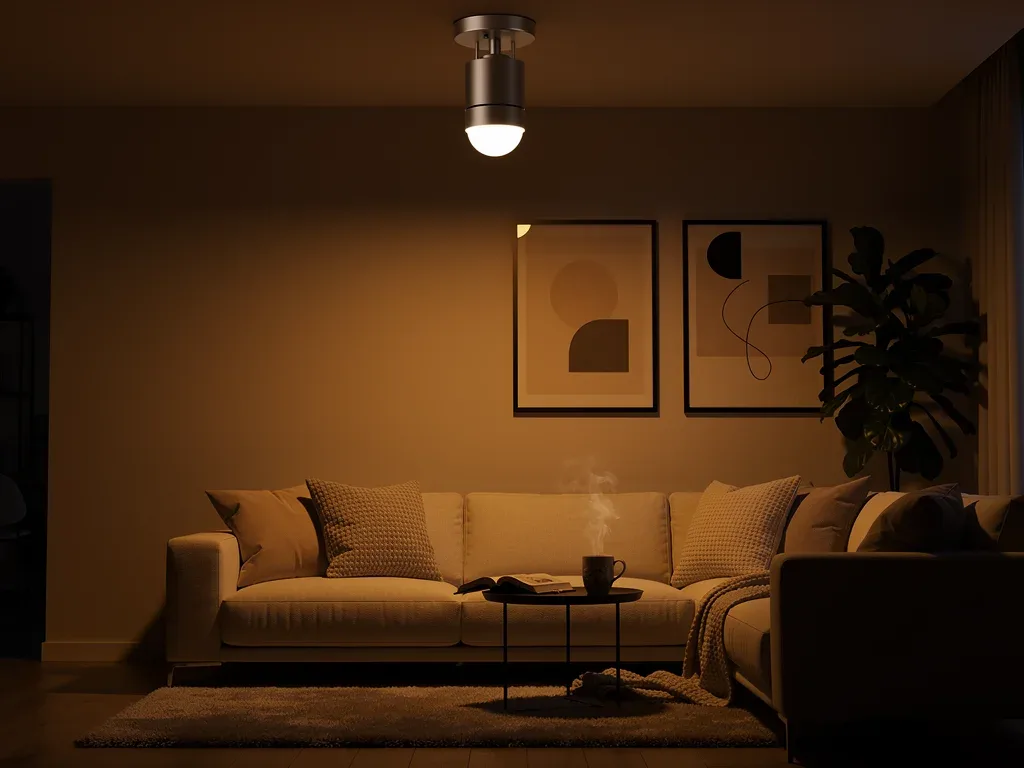
As the day transitions into evening, it's equally important to gradually dim and warm your indoor lighting. This technique signals to your body that it's time to wind down, promoting the natural production of melatonin and preparing you for restful sleep. Ignoring this crucial step can disrupt your circadian rhythm, making it harder to fall asleep and impacting your focus and energy the following day.
The setting sun naturally shifts its color temperature towards warmer, redder hues, and its intensity decreases significantly. Our bodies are designed to respond to these changes by increasing melatonin production. Artificial lighting that remains bright and cool-toned into the evening can interfere with this process, keeping us artificially alert when we should be preparing for rest.
Evening light management for better sleep and focus
Start dimming your lights and shifting to warmer color temperatures (2700K-3000K) a few hours before bedtime. This can be achieved with dimmer switches, smart bulbs that allow color temperature adjustments, or by simply switching to lamps with lower wattage and warmer-toned bulbs. The goal is to create a cozy, relaxing ambiance that encourages melatonin release, which is crucial for restorative sleep and, consequently, optimal daytime focus.
- Dimmer switches: Install dimmers on overhead lights to gradually reduce brightness.
- Warm-toned bulbs: Use bulbs with a color temperature of 2700K-3000K in evening living spaces.
- Smart lighting schedules: Program your smart lights to automatically dim and warm in the evening.
- Avoid blue light exposure: Minimize screen time on phones, tablets, and computers in the hours leading up to bedtime, or use blue light filters.
By intentionally creating a dim, warm light environment in the evening, you support your body's natural sleep-wake cycle. This not only improves the quality of your sleep but also ensures that you wake up feeling refreshed and ready to focus. It's a proactive step towards optimizing your circadian rhythm for sustained energy and cognitive performance.
Technique 4: Strategic use of blue light filters and screen management
While blue light is essential for daytime alertness, its presence in the evening can be highly disruptive to our circadian rhythm and subsequent daytime focus. The fourth crucial technique involves strategically managing your exposure to blue light from electronic screens, especially in the hours leading up to bedtime. This is vital for protecting your melatonin production and ensuring quality sleep.
Modern electronic devices like smartphones, tablets, computers, and even some LED televisions emit significant amounts of blue light. Our brains interpret this blue light as a signal of daytime, even when it's late at night. This can suppress melatonin, delay sleep onset, and reduce the quality of sleep, leading to fatigue and reduced focus the following day. Effective blue light management is therefore indispensable for a robust circadian rhythm.
Implementing blue light reduction strategies
Many devices now come with built-in blue light filters or 'night mode' settings that shift the screen's color temperature to warmer tones. Activating these features, especially after sunset, can significantly reduce the disruptive effects of screen-emitted blue light. For devices without these features, third-party apps or blue light blocking glasses can be effective alternatives. The ideal approach is to minimize screen time altogether in the 1-2 hours before bed.
- Activate 'night mode': Use built-in blue light filters on all your electronic devices (phones, tablets, computers).
- Blue light blocking glasses: Wear amber-tinted glasses that filter out blue light, especially if you must use screens in the evening.
- Minimize evening screen time: Aim to stop using electronic devices at least an hour or two before you plan to sleep.
- Dim screen brightness: Even with filters, reduce screen brightness in the evening to further minimize light exposure.
By consciously reducing blue light exposure in the evening, you allow your body to naturally produce melatonin, facilitating a smoother transition to sleep. This improved sleep quality directly translates to better cognitive function, enhanced mood, and significantly boosted daytime focus. It's a small change with a powerful ripple effect on your overall well-being and productivity.
Integrating natural light exposure for enhanced effectiveness
While artificial circadian lighting techniques are powerful, they work best when integrated with ample natural light exposure. Natural light is the most potent synchronizer of our circadian rhythm, offering a full spectrum of light wavelengths that artificial sources struggle to replicate perfectly. Maximizing your daily natural light intake can significantly amplify the benefits of your indoor lighting strategies, leading to even greater improvements in focus and overall health.
Spending time outdoors, especially in the morning, reinforces the bright, cool-toned light signal to your brain. Even on cloudy days, outdoor light is significantly brighter than most indoor environments. Incorporating short walks or breaks outside throughout the day can help maintain alertness and provide a much-needed mental break, further boosting your cognitive performance.
Practical tips for maximizing natural light
Design your home and workspace to take full advantage of windows. Position desks near windows, use sheer curtains that diffuse light rather than block it, and keep windows clean to allow maximum light penetration. Regular exposure to natural light throughout the day, combined with your tailored indoor lighting, creates a synergistic effect that optimally supports your circadian rhythm and cognitive function.
- Morning outdoor exposure: Spend at least 15-30 minutes outdoors shortly after waking, even if it's just by a window.
- Work near windows: Position your desk or primary workspace as close to a window as possible.
- Take regular breaks outside: Step outside for a few minutes every couple of hours to reset your internal clock and refresh your mind.
- Avoid dark rooms: Keep curtains and blinds open during the day to allow maximum natural light into your living spaces.
Integrating natural light with your artificial circadian lighting techniques creates a comprehensive strategy for optimizing your body's internal clock. This holistic approach not only boosts daytime focus but also enhances mood, improves sleep quality, and supports overall physiological well-being, allowing you to perform at your best inside your home.
The long-term benefits of circadian lighting for productivity
Adopting circadian lighting techniques isn't just about a temporary boost in focus; it's an investment in your long-term health and sustained productivity. By consistently aligning your indoor light environment with your natural biological rhythms, you create a foundation for optimal cognitive function, emotional stability, and physical well-being. The cumulative effects of these practices can lead to significant improvements in various aspects of your daily life, extending far beyond just a 25% increase in focus.
Chronic disruption of the circadian rhythm, often due to poor light hygiene, has been linked to numerous health issues, including sleep disorders, mood disturbances, metabolic problems, and even certain chronic diseases. Conversely, supporting your circadian clock through intentional light management can mitigate these risks and foster a more resilient and high-performing body and mind. This holistic approach acknowledges the interconnectedness of light, sleep, and cognitive performance.
Sustained improvements in cognitive function and well-being
Over time, individuals who consistently implement circadian lighting strategies report not only improved focus but also enhanced memory, better problem-solving skills, and increased creativity. The brain, when properly supported by a well-regulated circadian rhythm, operates more efficiently. This translates into fewer mental blocks, quicker task completion, and a greater capacity for complex thought processes, making your home a truly productive hub.
- Enhanced cognitive endurance: Ability to maintain high levels of focus for longer periods without fatigue.
- Improved mood and reduced stress: Stable circadian rhythms positively impact neurotransmitter balance, leading to better emotional regulation.
- Better sleep quality: Consistent light cues reinforce healthy sleep patterns, resulting in more restorative rest.
- Increased energy levels: Optimized hormone release throughout the day provides sustained energy without reliance on stimulants.
The long-term benefits of circadian lighting extend beyond individual tasks, influencing your overall quality of life. By fostering an environment that naturally supports your biological clock, you empower yourself to achieve sustained peak performance, cultivate mental clarity, and enjoy a more harmonious balance between work and rest within your home. It’s a foundational element for a truly optimized lifestyle.
| Key Technique | Brief Description |
|---|---|
| Morning Bright Light | Use bright, cool-toned (5000K-6500K) light to suppress melatonin and boost alertness. |
| Daytime Balanced Light | Maintain consistent, neutral-white (4000K-5000K) light to sustain focus and prevent eye strain. |
| Evening Dim Warm Light | Gradually dim and warm (2700K-3000K) lights to encourage melatonin production for sleep. |
| Blue Light Management | Utilize filters and reduce screen time in the evening to protect melatonin and sleep quality. |
Frequently Asked Questions About Circadian Lighting
What is circadian lighting and how does it affect me?▼Circadian lighting refers to lighting systems designed to support your body's natural 24-hour internal clock, known as the circadian rhythm. By mimicking natural daylight patterns—bright, cool light in the morning and dim, warm light in the evening—it helps regulate sleep-wake cycles, hormone production, and cognitive function, ultimately boosting alertness and focus during the day.
Can changing my home lighting really improve my focus by 25%?▼Yes, research and anecdotal evidence suggest that optimizing your light environment can lead to significant improvements in cognitive performance. By aligning light exposure with your circadian rhythm, you enhance alertness, reduce fatigue, and improve concentration, potentially leading to a 25% or more increase in daytime focus and productivity, especially in indoor settings.
What kind of light bulbs should I use for circadian lighting?▼For morning and daytime, use bulbs with a cool-white color temperature (5000K-6500K) and high brightness. For evenings, switch to warmer-toned bulbs (2700K-3000K) with adjustable dimming capabilities. Smart bulbs offer the most flexibility, allowing you to program color and intensity changes throughout the day to match natural light cycles.
How can I reduce blue light exposure from screens in the evening?▼To reduce evening blue light, activate 'night mode' or blue light filters on all your electronic devices, which shift screen colors to warmer tones. Ideally, avoid screens entirely for 1-2 hours before bedtime. If screen use is unavoidable, consider wearing blue light blocking glasses to minimize the impact on melatonin production and sleep quality.
Is natural light still important if I use circadian lighting indoors?▼Absolutely. Natural light is the most powerful synchronizer of your circadian rhythm. While artificial circadian lighting helps, it should complement, not replace, natural light. Maximize natural light exposure by working near windows and taking short outdoor breaks during the day. This combination provides the most robust support for your internal clock and cognitive function.
Conclusion
Optimizing your home's lighting with these four circadian lighting techniques offers a transformative approach to boosting daytime focus and overall well-being. By aligning your indoor light environment with your body's natural rhythms, you unlock a powerful biological mechanism that enhances alertness, improves sleep quality, and sustains cognitive performance. Embracing bright, cool light in the morning, maintaining balanced light during the day, transitioning to dim, warm light in the evening, and strategically managing blue light exposure from screens are not just minor adjustments; they are foundational elements for a more productive, energetic, and harmonious life within your home.
