FTC Bans Hidden Hotel Resort Fees: Mandatory Upfront Cost Disclosure for Consumers
Advertisements
The Federal Trade Commission (FTC) has enacted a landmark ban on hidden hotel resort fees, compelling full upfront disclosure of all mandatory costs on 100% of online bookings, ensuring pricing transparency for consumers.
Travelers, rejoice! The Federal Trade Commission (FTC) has taken a decisive step to ensure pricing transparency in the hospitality sector, issuing a ban on hidden hotel resort fees. This monumental ruling mandates FTC bans hidden hotel fees, requiring that 100% of all mandatory costs be disclosed upfront on online bookings, fundamentally changing how consumers perceive and pay for their accommodations.
Understanding the FTC's New Mandate on Hotel Fees
The Federal Trade Commission's recent action represents a significant shift in consumer protection within the travel industry. For years, travelers have faced the frustration of encountering unexpected charges, often labeled as "resort fees" or "facility fees," only at the final stages of booking or upon check-in. These fees, which can add substantial amounts to the advertised nightly rate, have long been a point of contention and a source of consumer dissatisfaction.
The new mandate directly addresses this pervasive issue by requiring hotels and online travel agencies (OTAs) to display the full, all-inclusive price from the very beginning of the booking process. This means that when you search for a hotel room online, the initial price you see must reflect all mandatory fees, allowing for a more accurate comparison of accommodation options and eliminating the unpleasant surprise of hidden costs.
The Problem with Drip Pricing
The practice of incrementally revealing mandatory fees throughout the purchasing process is commonly known as "drip pricing." This strategy can mislead consumers into believing a product or service is cheaper than it actually is, only to discover the true cost later. The FTC has identified drip pricing as a deceptive practice, especially prevalent in sectors like hospitality and event ticketing.
- Lack of Transparency: Consumers cannot easily compare prices when mandatory fees are hidden.
- Budget Disruption: Unexpected fees can significantly impact a traveler's budget.
- Erosion of Trust: Drip pricing diminishes consumer trust in businesses and the industry as a whole.
By banning this practice, the FTC aims to restore fairness and honesty to online booking platforms, ensuring that consumers are empowered with complete information to make informed decisions. This move aligns with broader efforts to combat deceptive marketing tactics across various industries.
Key Provisions of the FTC Rule
The core of the FTC's new rule is straightforward: all mandatory fees must be disclosed upfront. This applies to any charge that a consumer is required to pay to obtain the good or service, regardless of its label. The rule specifically targets fees that are not optional and are applied universally to all guests or bookings.
The comprehensive nature of this mandate means that not only traditional hotels but also resorts, motels, and other lodging establishments offering online bookings must comply. Furthermore, third-party booking sites are equally responsible for ensuring that the prices they display are inclusive of all mandatory fees, creating a level playing field for all players in the online travel ecosystem. This broad application is crucial for the rule's effectiveness in protecting consumers.
Impact on Consumers: A New Era of Transparency
For millions of travelers across the United States, the FTC's ban on hidden hotel resort fees ushers in a welcome era of financial clarity and improved decision-making. No longer will consumers have to navigate a maze of fine print or face sticker shock at the last minute. The primary benefit is immediate and tangible: the price you see will be the price you pay, or at least, the price that includes all non-negotiable charges.
This transparency is particularly impactful for budget-conscious travelers who rely on accurate pricing to plan their trips effectively. It empowers individuals to compare hotel options based on their true total cost, fostering a more competitive market where hotels are incentivized to offer genuine value rather than relying on deceptive pricing tactics. The psychological relief of knowing the full cost upfront cannot be overstated, reducing stress and enhancing the overall booking experience.
Empowering Informed Decisions
One of the most significant consumer benefits is the ability to make truly informed purchasing decisions. Before this mandate, comparing hotels often felt like comparing apples to oranges, as advertised rates rarely reflected the final cost. Now, with all mandatory fees included from the outset, consumers can:
- Accurately Compare: Easily stack up different hotel offerings based on their real total price.
- Budget Effectively: Plan travel expenses with greater precision, avoiding unexpected overages.
- Avoid Frustration: Eliminate the common annoyance of discovering hidden fees late in the booking process.
This clarity will not only save consumers money but also significant time and mental energy previously spent deciphering complex pricing structures. It shifts the burden of transparency from the consumer to the seller, where it rightfully belongs.

Reduced Surprise and Enhanced Trust
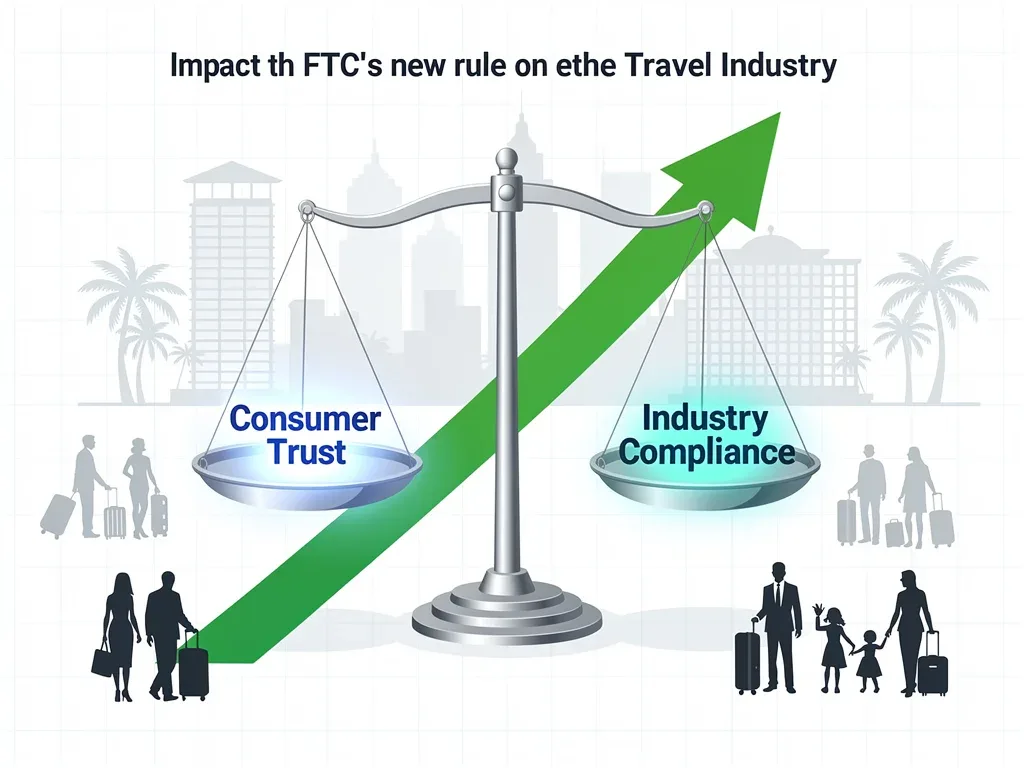
The elimination of hidden fees directly correlates with a reduction in negative consumer experiences. Surprise charges are a leading cause of customer dissatisfaction and can severely damage a brand's reputation. By mandating upfront disclosure, the FTC is essentially forcing the industry to rebuild trust with its customer base.
When consumers feel they are being treated fairly and honestly, their trust in the brand and the booking platform increases. This can lead to greater customer loyalty and positive word-of-mouth, ultimately benefiting businesses that embrace transparency. The long-term impact could be a healthier, more trustworthy travel ecosystem where consumers feel confident in their booking choices.
Challenges and Adjustments for the Hospitality Industry
While the FTC's new rule is a win for consumers, it presents a significant set of challenges and requires substantial adjustments for the hospitality industry. Hotels, resorts, and online travel agencies must now re-evaluate their pricing strategies, update their booking systems, and potentially modify their marketing approaches to comply with the mandate. This isn't merely a cosmetic change; it demands a fundamental shift in how prices are presented and communicated to the public.
One of the immediate hurdles will be integrating all mandatory fees into the initial advertised price. This requires technical updates to booking engines and websites, ensuring that dynamic pricing correctly reflects the all-inclusive cost. Furthermore, hotels that have historically relied on separating resort fees to make their base rates appear more competitive will need to find new ways to highlight their value proposition, focusing on amenities and experiences rather than just the nightly room rate. This transition period will likely involve considerable investment in technology and staff training to ensure seamless compliance.
Operational and System Updates
The technical implementation of the new rule will be a complex undertaking for many hotel chains and independent properties. Booking platforms, property management systems (PMS), and global distribution systems (GDS) will all need to be updated to incorporate mandatory fees into the initial displayed price. This could involve:
- Software Development: Significant programming efforts to adjust pricing algorithms.
- Data Integration: Ensuring consistent fee disclosure across all booking channels.
- Staff Training: Educating front-desk and reservation staff on the new pricing models.
Hotels will need to work closely with their technology providers to ensure a smooth transition, minimizing disruptions to their operations and maintaining accuracy in their pricing displays. The challenge is not just technical but also strategic, as it requires a coordinated effort across various departments within a hotel organization.
Marketing and Competitive Landscape Shifts
The competitive landscape will undoubtedly change as hotels can no longer use artificially low base rates to attract customers. This levels the playing field, forcing hotels to compete more directly on their true value proposition. Marketing strategies will need to adapt to emphasize:
- Total Value: Highlighting the full package of amenities and services included in the all-inclusive price.
- Unique Experiences: Promoting what makes a property stand out beyond just the room rate.
- Customer Service: Building loyalty through exceptional guest experiences rather than deceptive pricing.
Hotels that genuinely offer good value and transparent pricing are likely to gain a competitive advantage, while those that relied heavily on hidden fees may struggle to adjust their positioning in the market. The industry will need to innovate in how it communicates value to consumers, moving away from price manipulation towards genuine differentiation.
The Role of Online Travel Agencies (OTAs)
Online Travel Agencies (OTAs) play a pivotal role in the hotel booking ecosystem, often serving as the primary interface between consumers and accommodation providers. The FTC's new mandate places a significant responsibility on these platforms to ensure compliance, as they are often the first point of contact for travelers searching for hotels. This means that OTAs must also adapt their systems to display all mandatory fees upfront, mirroring the requirements placed on hotels themselves.

The challenge for OTAs lies in integrating diverse pricing structures from thousands of different hotel partners into a unified, transparent display. This requires robust data feeds, clear communication with hotel partners, and sophisticated platform adjustments. The goal is to provide a consistent and accurate pricing experience for consumers, regardless of which hotel they choose or which OTA they use. OTAs that successfully implement these changes will likely build greater consumer trust and loyalty.
Ensuring Consistent Disclosure Across Platforms
The requirement for 100% upfront cost disclosure means OTAs must:
- Update API Integrations: Ensure that pricing data received from hotels includes all mandatory fees.
- Modify User Interfaces: Redesign booking flows to prominently display total prices from the initial search results.
- Enforce Compliance: Work with hotel partners to ensure they provide accurate and all-inclusive pricing data.
Consistency across various OTAs is crucial for the effectiveness of the FTC's rule. If some platforms comply while others do not, it could create confusion and undermine the goal of full transparency. Therefore, the FTC will likely monitor OTAs closely to ensure uniform adherence to the new regulations, potentially imposing penalties for non-compliance.
Consumer Protection and OTA Responsibility
OTAs are now at the forefront of consumer protection regarding hotel pricing. Their commitment to implementing these changes will directly impact consumer confidence in online travel booking. By proactively ensuring transparency, OTAs can:
- Enhance Brand Reputation: Be seen as trustworthy and consumer-friendly platforms.
- Reduce Customer Complaints: Minimize issues arising from hidden fees.
- Drive Repeat Business: Foster loyalty through a positive booking experience.
This shift represents an opportunity for OTAs to differentiate themselves by prioritizing consumer interests, thereby solidifying their position as reliable intermediaries in the travel planning process. The responsibility is significant, but so are the potential rewards in terms of consumer trust and market share.
Broader Implications for the Travel and Tourism Sector
The FTC's ban on hidden hotel resort fees extends beyond just the immediate transaction, sending ripples throughout the broader travel and tourism sector. This regulatory action sets a precedent for transparency that could influence other areas where drip pricing is common, such as airline ticketing, car rentals, and event admissions. The underlying principle is clear: consumers deserve to know the full cost upfront, without hidden surprises. This push for honesty could lead to a more standardized approach to pricing across various travel-related services, benefiting consumers universally.
Furthermore, the increased transparency could stimulate healthy competition. When all prices are displayed inclusively, businesses are compelled to compete on the actual value they offer, rather than on deceptively low headline prices. This encourages innovation in service delivery and amenities, as companies strive to justify their all-inclusive rates. The long-term effect could be a more robust and consumer-centric travel industry, where genuine value and clear communication are prioritized over misleading tactics. It also provides a clearer framework for regulatory bodies to act against similar deceptive practices in other industries.
Potential for Regulatory Expansion
The success of this mandate in the hotel sector could pave the way for similar regulations in other industries. The FTC has historically expressed concerns about drip pricing in various markets. This successful implementation could serve as a model for future consumer protection initiatives, targeting areas such as:
- Airline Ticketing: Addressing hidden baggage fees and seat selection charges.
- Concert and Event Tickets: Tackling undisclosed service charges and processing fees.
- Car Rentals: Ensuring all mandatory insurance and fuel surcharges are upfront.
This broader regulatory scope would create a more transparent marketplace across the board, giving consumers greater confidence in their purchases, regardless of the industry. It signals a strong commitment from regulatory bodies to combat deceptive practices wherever they occur, aiming for a consistent standard of honesty in commerce.
Enhanced Competition and Innovation
With transparent pricing, the competitive landscape shifts from who can display the lowest base rate to who offers the best overall value. This encourages hotels and other travel providers to innovate in several ways:
- Service Enhancement: Investing in better amenities and guest experiences to justify their all-inclusive price.
- Marketing Creativity: Developing campaigns that highlight genuine value and unique selling points.
- Operational Efficiency: Finding ways to offer competitive all-inclusive rates through streamlined operations.
Ultimately, this push for transparency fosters a healthier market where businesses are rewarded for providing excellent service and clear communication, rather than for clever pricing strategies that mislead consumers. It's a win-win situation for both ethical businesses and the traveling public, promoting a more trustworthy economic environment.
Enforcement and Future Outlook
The effectiveness of the FTC's ban on hidden hotel resort fees hinges critically on its enforcement mechanisms and the industry's commitment to compliance. The FTC has made it clear that non-compliance will result in penalties, which could range from fines to legal action. This provides a strong incentive for hotels and online travel agencies to adjust their practices swiftly and thoroughly. However, ongoing monitoring will be essential to ensure that the spirit of the rule is upheld, not just the letter.
Consumer vigilance will also play a crucial role. Travelers who encounter instances of hidden fees post-mandate should report them to the FTC, helping the commission identify and address any lingering deceptive practices. The future outlook for travel pricing appears brighter, with a strong emphasis on honesty and clarity. This move is part of a larger global trend towards greater consumer protection in digital commerce, signifying a long-term commitment to fair business practices. The goal is to create a marketplace where trust is earned through transparency, rather than eroded by misleading information.
Monitoring and Reporting Mechanisms
The FTC will likely employ various methods to monitor compliance, including:
- Consumer Complaints: Relying on travelers to report instances of non-disclosure.
- Proactive Audits: Regularly checking hotel websites and OTA listings for adherence.
- Industry Partnerships: Collaborating with travel associations to disseminate guidelines and best practices.
For the rule to be truly effective, a robust system for identifying and addressing violations is paramount. The FTC's enforcement power is the backbone of this mandate, ensuring that businesses take their new responsibilities seriously. The active participation of consumers in reporting issues will also be a vital component in maintaining accountability.
Long-Term Vision for Transparent Pricing
This ban on hidden hotel fees is not an isolated incident but rather a significant step towards a broader vision of transparent pricing across all consumer sectors. The FTC's actions reflect a growing global consensus that consumers have a right to clear, upfront information about the total cost of goods and services. This long-term vision includes:
- Standardized Disclosures: Developing consistent formats for price presentation across industries.
- Consumer Education: Empowering consumers to recognize and report deceptive practices.
- Technological Solutions: Encouraging platforms to build transparency into their core design.
The ultimate goal is to create an economic environment where businesses compete fairly on value and quality, and consumers can make purchasing decisions with complete confidence, knowing exactly what they are paying for. This mandate is a powerful statement about the direction of consumer protection in the digital age.
| Key Point | Brief Description |
|---|---|
| FTC Ban | Federal Trade Commission bans hidden hotel resort fees, mandating full upfront disclosure. |
| Consumer Impact | Ensures pricing transparency, empowering informed decisions and reducing unexpected costs. |
| Industry Adjustments | Hotels and OTAs must update systems and marketing to reflect all-inclusive pricing. |
| Future Outlook | Sets precedent for broader transparency in travel and other consumer sectors. |
Frequently Asked Questions About Hidden Hotel Fees
What exactly are hidden hotel resort fees?▼Hidden hotel resort fees are mandatory charges that hotels add to the advertised nightly rate, often for amenities like Wi-Fi, fitness centers, or pool access. These fees were typically disclosed late in the booking process or upon check-in, leading to consumer frustration and unexpected costs.
When does the FTC's new rule on hidden hotel fees take effect?▼The FTC's new rule on hidden hotel fees became effective on July 1, 2024. From this date forward, all hotels and online travel agencies are required to display the total, all-inclusive price upfront on 100% of online bookings.
How will this ban benefit consumers directly?▼Consumers will benefit by seeing the true total cost of their hotel stay from the very beginning of their search. This eliminates hidden surprises, allows for accurate price comparisons, and empowers travelers to make more informed budgeting and booking decisions without unexpected charges.
Does this rule apply to all types of accommodations?▼Yes, the rule applies broadly to hotels, resorts, motels, and any other lodging establishment that offers online bookings. It also extends to online travel agencies (OTAs) that facilitate these bookings, ensuring consistent transparency across the board.
What should I do if a hotel still charges hidden fees after the ban?▼If you encounter a hotel or booking platform that is not complying with the FTC's new mandate by charging hidden fees, you should report the incident directly to the Federal Trade Commission. Your report helps the FTC enforce these vital consumer protection regulations.
Conclusion
The Federal Trade Commission's decisive action to ban hidden hotel resort fees marks a pivotal moment for consumer protection in the travel industry. By mandating full upfront disclosure of all mandatory costs on 100% of online bookings, the FTC has championed transparency, empowering travelers with the clear and accurate pricing information they deserve. This move not only eliminates frustrating last-minute surprises but also fosters a more honest and competitive marketplace, setting a powerful precedent for fair business practices across the broader travel and tourism sector. As the industry adapts, consumers can look forward to a future where trust and clarity are paramount in their booking experiences.
