Household Savings Rate Hits 4.6%: Macroeconomic Resilience Insights
Advertisements
The recent rise in the US household savings rate to 4.6% provides critical insights into evolving consumer financial health and its implications for broader macroeconomic resilience and stability.
The latest economic data has revealed a significant shift: the household savings rate in the United States has reached 4.6%. This figure is more than just a number; it offers a crucial window into consumer behavior, financial health, and the underlying macroeconomic resilience of the nation. Understanding what this shift in liquidity reserves means for the future of the US economy is paramount for policymakers, businesses, and individuals alike.
Understanding the Household Savings Rate
The household savings rate is a vital economic indicator, representing the percentage of disposable personal income that households save. A higher rate typically suggests that consumers are setting aside more money rather than spending it, which can have both immediate and long-term implications for economic activity. The recent increase to 4.6% warrants a detailed examination of its causes and potential effects.
Historically, savings rates fluctuate based on various economic factors, including consumer confidence, interest rates, and perceived economic stability. During times of uncertainty, households often increase their savings as a precautionary measure. Conversely, during periods of strong economic growth and high consumer confidence, spending tends to rise, and savings rates might decline.
What Drives Savings Behavior?
Several factors influence how much households choose to save. Economic outlook, inflation expectations, and employment stability play significant roles. When people feel secure in their jobs and confident about future income, they might be more inclined to spend. However, if there are concerns about job security or rising costs of living, saving becomes a priority.
- Economic Uncertainty: Fear of recession or job loss often spurs increased saving.
- Inflation: High inflation can erode purchasing power, prompting some to save more to maintain future living standards, while others might spend now to avoid higher prices later.
- Interest Rates: Higher interest rates can incentivize saving by offering better returns on deposits.
- Government Policies: Fiscal policies, such as stimulus checks or tax changes, can directly impact disposable income and, consequently, savings behavior.
The current 4.6% rate suggests a complex interplay of these factors, indicating that households might be responding to a mix of lingering economic uncertainties and strategic financial planning. This behavior has profound implications for aggregate demand and overall economic growth.
Shifting Liquidity Reserves: A Closer Look
When the household savings rate increases, it signifies a shift in liquidity reserves. Households are holding onto more cash or highly liquid assets, rather than deploying them into the economy through consumption or investment. This accumulation of liquidity can be a double-edged sword, offering both stability and potential headwinds for economic expansion.

These shifting reserves are not uniform across all demographics. Different income brackets and age groups exhibit varying saving patterns, influenced by their financial goals, existing debt levels, and access to financial markets. Understanding these disparities is crucial for a comprehensive analysis of the macroeconomic landscape.
Where is the Money Going?
With a higher savings rate, a larger portion of household income is being directed towards various forms of liquidity reserves. These can include:
- Bank Deposits: Savings accounts, checking accounts, and money market accounts.
- Emergency Funds: Dedicated funds set aside for unexpected expenses.
- Debt Reduction: Paying down credit card debt, mortgages, or student loans.
- Short-term Investments: Treasury bills or other highly liquid securities.
The allocation of these reserves is critical. If a significant portion is being used for debt reduction, it can improve household balance sheets, making them more resilient to future economic shocks. If it's primarily held in cash, it represents a large pool of potential future spending or investment, depending on economic confidence. The implication is that this capital is not immediately stimulating current economic activity, which could impact consumer-driven sectors.
The accumulation of these reserves reflects a cautious approach by American consumers. This prudence, while beneficial for individual financial security, can restrain immediate economic growth if it leads to a sustained drop in consumer spending. 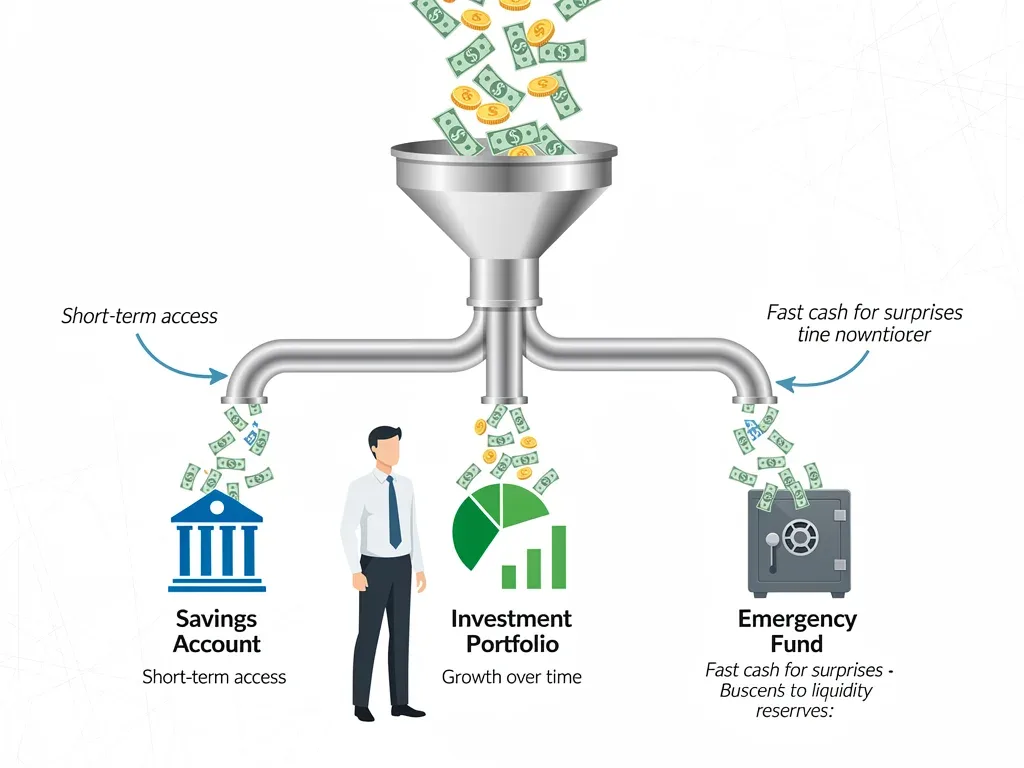
Macroeconomic Resilience and the Savings Rate
Macroeconomic resilience refers to an economy's ability to withstand and recover from economic shocks. A healthy household savings rate is often considered a key component of this resilience. When households have substantial savings, they are better equipped to weather personal financial crises, such as job loss or unexpected medical expenses, without immediately cutting back on essential spending or defaulting on debts.
This individual resilience aggregates to national resilience. A populace with robust financial buffers reduces the overall risk of widespread defaults and sudden drops in consumer demand during downturns. It provides a safety net that can prevent minor economic ripples from becoming major crises, offering a stabilizing force in turbulent times.
The Dual Nature of High Savings
While increased savings enhance individual and collective financial stability, an excessively high savings rate can also indicate underlying economic anxieties or insufficient aggregate demand. If people are saving out of fear, it could signal a lack of confidence in the economy's future, leading to a self-fulfilling prophecy of slower growth.
On one hand, strong savings act as a buffer against recessions, allowing consumers to maintain spending habits during periods of reduced income. On the other hand, if this saving comes at the expense of necessary consumption and investment, it can dampen current economic activity. Policymakers must strike a delicate balance, encouraging prudent saving without stifling the consumption that fuels economic expansion.
The 4.6% household savings rate, therefore, presents a nuanced picture. It suggests a degree of financial strength among households, but also prompts questions about the drivers of this behavior and its potential impact on the pace of economic recovery and growth. The resilience it offers is valuable, but its implications for demand must be carefully monitored.
Consumer Behavior and Economic Outlook
The shift in the household savings rate is intrinsically linked to broader consumer behavior and their collective economic outlook. Consumer confidence, a critical barometer of future spending, often moves in tandem with savings patterns. When confidence is high, spending typically increases, and savings may decline. Conversely, a cautious outlook often leads to increased saving.
The current savings rate suggests that while some confidence may be returning, a significant portion of households remain prudent. This prudence can stem from various sources, including ongoing inflation concerns, geopolitical uncertainties, or a general sense of caution following recent economic disruptions. Understanding these underlying sentiments is key to forecasting future economic trends.
Impact on Retail and Services
A higher savings rate often translates to reduced discretionary spending. This can directly impact sectors reliant on consumer purchases, such as retail, hospitality, and entertainment. Businesses in these areas might experience slower growth or even contractions if consumers continue to prioritize saving over spending on non-essential goods and services.
- Retail Sales: May see slower growth, particularly for non-essential items.
- Hospitality and Travel: Consumers might opt for more budget-friendly options or defer travel plans.
- Durable Goods: Big-ticket purchases like cars or appliances could see delayed demand.
Conversely, sectors that benefit from increased savings, such as financial services and investment firms, might see an uptick in activity. The redistribution of capital from consumption to savings and investment channels can alter the economic landscape, favoring certain industries over others. This dynamic underscores the importance of a balanced approach to economic policy that supports both saving and spending.
Policy Implications and Future Trends
The elevated household savings rate has significant implications for monetary and fiscal policy. Central banks and governments must carefully consider this data when formulating strategies to promote sustainable economic growth and stability. Policies aimed at stimulating consumption might have different effects in an environment where households are actively building up their reserves.
For instance, if the savings rate is driven by a lack of attractive investment opportunities or pervasive uncertainty, simple interest rate cuts might not be sufficient to spur spending. Instead, policies addressing the root causes of uncertainty or providing targeted incentives for investment could be more effective. The goal is to channel these reserves into productive economic activity without eroding financial security.
Navigating the Economic Landscape
Policymakers face the challenge of encouraging a healthy level of consumer spending while also supporting financial prudence. Strategies could include:
- Targeted Fiscal Stimulus: Directing aid to segments of the population most likely to spend, or to sectors needing a boost.
- Investment Incentives: Creating tax benefits or programs that encourage households to invest their savings in businesses or long-term assets.
- Financial Literacy Programs: Educating the public on balanced financial planning, emphasizing both saving and responsible spending.
Looking ahead, the household savings rate will likely remain a key indicator of economic sentiment and resilience. Its trajectory will be influenced by global economic developments, domestic policy decisions, and evolving consumer confidence. A sustained high rate could signal a prolonged period of cautious consumer behavior, while a gradual decline might indicate a return to more robust spending patterns. 
Global Comparisons and Economic Outlook
Comparing the US household savings rate to other major economies provides valuable context. Different countries exhibit varying savings cultures, influenced by social safety nets, retirement systems, and cultural norms. Understanding these international benchmarks helps to gauge whether the US rate is an anomaly or part of a broader global trend.
For example, some East Asian economies traditionally have much higher savings rates, driven by cultural factors and less robust social security systems. European countries often have moderate rates, influenced by comprehensive welfare states. The US rate, while recently elevated, still falls within a range that reflects its unique economic and social structure.
Impact on Global Capital Flows
A higher savings rate in the US can also impact global capital flows. If American households are saving more, this capital could potentially be invested internationally, affecting exchange rates and global financial markets. Conversely, if domestic investment opportunities are attractive, this capital might remain within the US, bolstering domestic growth.
The interconnectedness of the global economy means that shifts in one major economy's savings behavior can have ripple effects worldwide. International investors and policymakers closely monitor these trends to anticipate changes in capital availability and investment patterns. The US household savings rate, therefore, is not just a domestic concern but a factor in the global economic equation.
The current savings rate, when viewed in a global context, suggests that while American consumers are exercising prudence, this behavior is part of a larger, often cautious, global economic environment. This prudence, while potentially slowing immediate consumption, also builds a stronger foundation for future economic stability.
The Role of Financial Planning and Education
In an environment where the household savings rate is a critical indicator of economic health, the importance of financial planning and education cannot be overstated. Empowering individuals with the knowledge and tools to manage their finances effectively contributes directly to both personal and macroeconomic resilience. Informed financial decisions, from budgeting to investing, collectively shape the economic landscape.
Financial literacy programs, accessible resources, and professional advice can help households understand the benefits of saving, the risks of excessive debt, and the opportunities for wealth accumulation. This knowledge can lead to more intentional saving behaviors, whether for retirement, education, or emergency funds, rather than saving purely out of fear or uncertainty.
Building a Financially Literate Populace
Investing in financial education yields long-term dividends for the entire economy. A financially literate populace is better equipped to navigate economic fluctuations, make sound investment choices, and contribute to a more stable financial system. This proactive approach can transform reactive saving into strategic wealth building, fostering a more robust and dynamic economy.
- Early Education: Incorporating financial literacy into school curricula.
- Community Programs: Offering workshops and resources for adults.
- Digital Tools: Promoting apps and platforms that simplify budgeting and saving.
- Access to Advice: Ensuring affordable access to certified financial planners.
The goal is to foster a culture where saving is seen as a deliberate and empowering act, not just a response to economic anxieties. When households save with purpose, their liquidity reserves become a powerful engine for future growth and stability, rather than just a dormant buffer. This approach aligns individual financial well-being with broader macroeconomic objectives, creating a virtuous cycle.
| Key Point | Brief Description |
|---|---|
| Household Savings Rate | Reached 4.6%, indicating a significant portion of disposable income is being saved. |
| Shifting Liquidity | More cash or highly liquid assets held by households, impacting immediate consumption. |
| Macroeconomic Resilience | Higher savings provide a buffer against shocks but can dampen economic growth. |
| Policy Implications | Requires careful monetary and fiscal strategies to balance saving and spending incentives. |
Frequently Asked Questions About the Savings Rate
What does the 4.6% household savings rate signify for the US economy?▼The 4.6% household savings rate indicates that American consumers are collectively saving a larger portion of their disposable income. This reflects increased financial prudence and a build-up of liquidity reserves, which can enhance macroeconomic resilience by providing a buffer against economic shocks. However, it may also suggest caution, potentially moderating immediate consumer spending and economic growth.
How does a higher savings rate impact consumer spending?▼A higher savings rate typically leads to reduced discretionary consumer spending. When households prioritize saving, they tend to defer or cut back on non-essential purchases, affecting sectors like retail, hospitality, and durable goods. While beneficial for individual financial health, this trend can slow down aggregate demand and overall economic expansion if sustained.
What are the main drivers behind the current household savings trend?▼Several factors likely drive the current savings trend, including lingering economic uncertainties, persistent inflation, and potentially higher interest rates that incentivize saving. Consumer confidence levels, employment stability, and a precautionary motive following recent economic disruptions also play significant roles in influencing households to accumulate more liquidity reserves.
How does the savings rate contribute to macroeconomic resilience?▼A robust household savings rate directly contributes to macroeconomic resilience by providing a financial cushion for individuals and the economy as a whole. It enables households to withstand personal financial shocks without defaulting on debts or drastically cutting essential spending, thereby preventing broader economic instability and facilitating a quicker recovery from downturns.
What policy responses might be considered in light of this savings rate?▼Policymakers might consider various responses, including targeted fiscal stimulus to boost consumption, investment incentives to channel savings into productive assets, and enhanced financial literacy programs. The goal is to balance promoting prudent saving with stimulating sufficient aggregate demand to ensure sustainable economic growth, carefully navigating the dual effects of increased liquidity reserves.
Conclusion
The recent ascent of the US household savings rate to 4.6% is a multifaceted economic development that demands close attention. It reflects a cautious yet potentially resilient consumer base, building up liquidity reserves in response to a complex interplay of economic signals. While this enhanced financial buffer provides a crucial layer of macroeconomic stability and protects against future shocks, it also raises questions about the immediate trajectory of consumer spending and overall economic growth. Policymakers and businesses must carefully analyze these shifting dynamics to craft strategies that both encourage prudent financial behavior and foster a vibrant, expanding economy. Understanding these nuances is essential for navigating the evolving economic landscape and ensuring long-term prosperity.
