Master the 10-3-2-1-0 Evening Routine for Better Sleep
Advertisements
The 10-3-2-1-0 evening routine is a powerful framework designed to eliminate nighttime anxiety and reset your sleep clock, ensuring consistently restful and restorative sleep for enhanced daily performance and health.
Are you tired of tossing and turning, battling a restless mind as the hours tick by? It's time to take control of your nights and reclaim your sleep. By embracing the 10-3-2-1-0 evening routine, you can effectively eliminate nighttime anxiety, reset your internal sleep clock, and pave the way for consistently restorative sleep.
Understanding the 10-3-2-1-0 Framework
The 10-3-2-1-0 evening routine is more than just a set of rules; it's a strategic approach to optimizing your sleep hygiene. Each number represents a specific time-based guideline designed to gradually prepare your body and mind for a deep, uninterrupted sleep. This framework addresses common culprits of poor sleep, from caffeine intake to digital screen exposure.
By systematically removing sleep disruptors and introducing calming practices, this routine helps your circadian rhythm—your natural sleep-wake cycle—to function optimally. It's about creating a consistent, predictable environment that signals to your body that it's time to wind down, promoting natural melatonin production and reducing the physiological arousal that often accompanies anxiety.
The Science Behind the Numbers
Each component of the 10-3-2-1-0 routine is rooted in scientific understanding of sleep physiology. For instance, the timing of caffeine cessation directly relates to its half-life in the body, while avoiding screens before bed mitigates the impact of blue light on melatonin. Adhering to these guidelines helps to:
- Regulate your body's natural sleep-wake cycle.
- Reduce cognitive overstimulation prior to sleep.
- Minimize physiological disruptions that hinder sleep onset and quality.
This routine is not a rigid prescription but a flexible guide that can be adapted to individual needs while maintaining its core principles. The goal is to build sustainable habits that support long-term sleep health.
The 10-3-2-1-0 framework provides a clear, actionable plan for anyone struggling with sleep. By understanding the 'why' behind each step, individuals can commit more fully to the routine and experience its profound benefits on their overall well-being and productivity.
10 Hours Before Bed: No More Caffeine
The first crucial step in the 10-3-2-1-0 evening routine is to cut off caffeine intake 10 hours before your desired bedtime. Caffeine is a powerful stimulant that blocks adenosine, a neurotransmitter that promotes sleepiness. Its effects can linger in your system for many hours, significantly impacting your ability to fall asleep and stay asleep.
Many people underestimate how long caffeine stays active in their bodies. Even a late afternoon coffee or an evening soda can disrupt your sleep cycle. By setting a strict 10-hour cutoff, you give your body ample time to process and eliminate the stimulant, allowing your natural sleep-promoting mechanisms to take over.
Why the 10-Hour Rule is Essential
Caffeine has an average half-life of about 5 hours, meaning it takes approximately 5 hours for half of the caffeine to be cleared from your system. To ensure that most of the caffeine is out of your body by bedtime, a 10-hour window is often necessary. This allows your brain to fully respond to adenosine, making you feel naturally sleepy when it's time for bed.
Ignoring this guideline can lead to fragmented sleep, difficulty initiating sleep, and a reduction in deep, restorative sleep stages. It's not just about falling asleep, but about achieving quality sleep that leaves you feeling truly refreshed.
- Avoid coffee, black tea, energy drinks, and certain sodas.
- Be mindful of hidden caffeine in some medications or foods like chocolate.
- Opt for decaffeinated alternatives or herbal teas in the late afternoon and evening.
Implementing this rule might require some adjustment, especially for those accustomed to evening caffeine boosts. However, the long-term benefits of improved sleep quality far outweigh the temporary inconvenience of changing your habits. Consistent adherence to the 10-hour rule is foundational to resetting your sleep clock.
3 Hours Before Bed: No Food or Alcohol
As you move closer to bedtime, the 10-3-2-1-0 evening routine advises against consuming food or alcohol within 3 hours of sleep. Eating a heavy meal close to bedtime can lead to indigestion, heartburn, and increased metabolic activity, all of which interfere with your body's ability to relax and transition into sleep. Your digestive system needs time to process food, and engaging it too close to bedtime can keep you awake.
Similarly, while alcohol might initially make you feel drowsy, it severely disrupts sleep architecture. It reduces REM sleep, which is crucial for cognitive function and emotional regulation, and can lead to frequent awakenings later in the night. The quality of sleep after alcohol consumption is significantly compromised, leaving you feeling less rested despite having spent hours in bed.
Impact on Digestion and Sleep Quality
When you eat late, your body is busy digesting food rather than preparing for rest. This can elevate your core body temperature, which needs to drop slightly for optimal sleep. Alcohol, on the other hand, acts as a sedative initially but then metabolizes into stimulating compounds, causing sleep disturbances.
Avoiding both food and alcohol in the hours leading up to sleep allows your body to focus on its natural wind-down processes. This promotes a stable blood sugar level and prevents the disruptive effects of alcohol on your sleep cycles.
- Plan your last meal to finish at least 3 hours before your target bedtime.
- If you must eat, choose a light, easily digestible snack like a small banana or a handful of almonds.
- Limit or avoid alcohol entirely, especially in the evening.
This step is critical for minimizing physiological stress on your body as you approach sleep. By giving your digestive system and liver a break, you allow your body to allocate its resources to restorative processes, enhancing the depth and quality of your sleep.
2 Hours Before Bed: No Work
The '2' in the 10-3-2-1-0 evening routine signifies ceasing all work-related activities two hours before bedtime. In our always-on culture, it's easy for work to bleed into our personal time, especially in the evenings. However, engaging in mentally stimulating tasks, checking emails, or even thinking about work problems right before bed can activate your stress response system, making it incredibly difficult to unwind.
Your brain needs a clear signal that the workday is over and it's time to shift gears. Continuously engaging with work keeps your mind in an alert, problem-solving state, preventing the cognitive relaxation necessary for sleep onset. This mental agitation often manifests as nighttime anxiety, where your thoughts race and you find yourself replaying the day's events or planning for tomorrow.
Creating a Mental Buffer Zone
Establishing a work-free zone before bed acts as a crucial mental buffer. This allows your brain to gradually disengage from the demands of the day and transition into a more relaxed, receptive state for sleep. It’s about creating a psychological boundary between your productive hours and your restorative hours.
Consider dedicating this two-hour window to activities that promote calm and relaxation. This could include light reading, listening to soothing music, or engaging in a hobby that doesn't involve screens or intense mental effort. The goal is to lower your mental arousal and reduce the likelihood of intrusive thoughts.
- Power down work devices and put away work-related materials.
- Avoid checking work emails or messages.
- Engage in relaxing hobbies or spend quality time with family.
By consciously separating work from your evening routine, you create a dedicated period for mental decompression. This practice is vital for reducing stress, preventing burnout, and ensuring that your mind is calm and ready for sleep, rather than still actively processing the day's challenges.
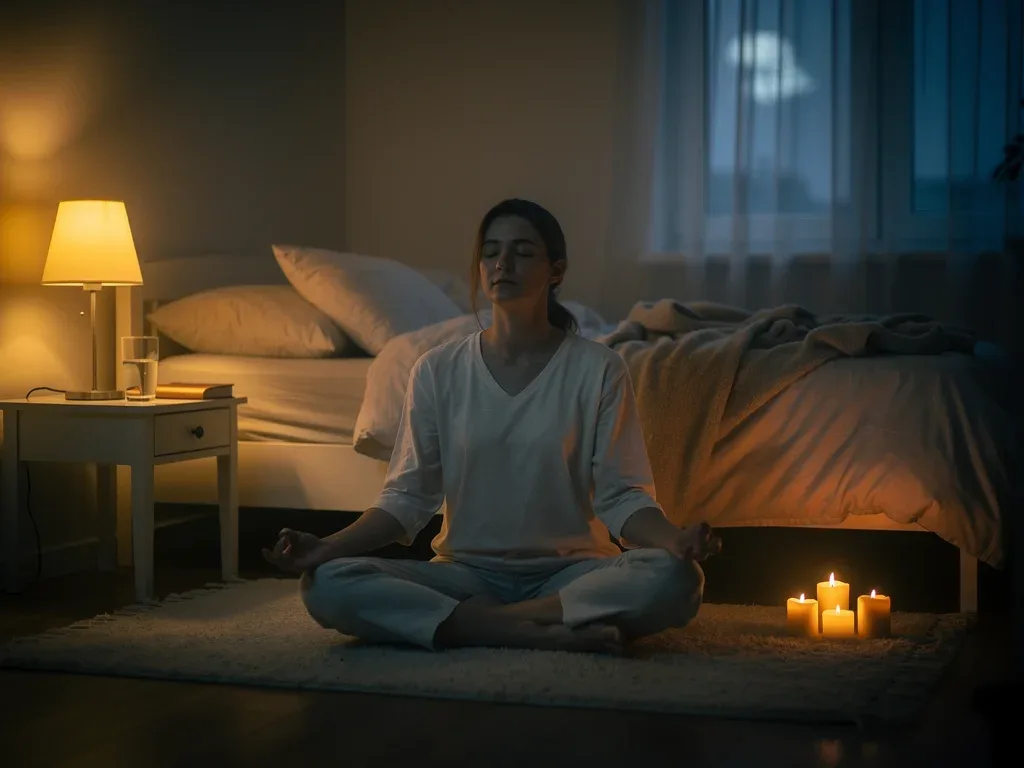
1 Hour Before Bed: No Screens
Perhaps one of the most challenging but impactful steps in the 10-3-2-1-0 evening routine is to eliminate all screen time one hour before bed. This includes smartphones, tablets, computers, and even televisions. The primary reason for this rule is the blue light emitted by these devices.
Blue light suppresses the production of melatonin, the hormone responsible for signaling to your body that it's time to sleep. Exposure to blue light in the evening can trick your brain into thinking it's still daytime, disrupting your natural circadian rhythm and making it harder to fall asleep. Beyond blue light, the content consumed on screens—social media, news, thrilling shows—can be mentally stimulating and emotionally activating, further hindering relaxation.
The Detrimental Effects of Blue Light
Blue light has a short wavelength and high energy, which makes it particularly effective at suppressing melatonin. Even short bursts of exposure can have an effect. Our bodies are naturally attuned to the light-dark cycle, and artificial light, especially blue light, disrupts this ancient biological clock.
Moreover, the constant stream of information and engagement from screens keeps your mind active and prevents it from winding down. This can lead to increased anxiety, difficulty concentrating, and a prolonged sleep onset latency—the time it takes to fall asleep.
- Charge your phone outside your bedroom or keep it on silent and out of reach.
- Read a physical book or magazine instead of an e-reader with a backlit screen.
- Engage in quiet, screen-free activities like journaling or gentle stretching.
Making this hour screen-free is a powerful commitment to your sleep health. It allows your body's natural melatonin production to kick in, and your mind to disengage from the digital world, creating a peaceful transition into sleep. This deliberate disconnection is a cornerstone of deep, restorative rest.
0: The Moment of Sleep
The final '0' in the 10-3-2-1-0 evening routine represents the moment you ideally fall asleep without any lingering anxiety or external distractions. This is the culmination of all the previous steps, where your body and mind are optimally prepared for rest. If you've diligently followed the preceding guidelines, you should find yourself feeling naturally sleepy and ready to drift off.

At this point, your bedroom environment should be conducive to sleep: dark, quiet, and cool. There should be no screens, no work, no recent food or alcohol, and no caffeine in your system. This creates the perfect physiological and psychological conditions for initiating and maintaining a healthy sleep cycle. The '0' signifies the absence of disruptors and the presence of pure, unadulterated readiness for sleep.
Embracing the Tranquility
This final stage is about trusting your body's natural ability to sleep when given the right conditions. Instead of forcing sleep, you're allowing it to happen naturally. If you still find yourself struggling, a few gentle techniques can help:
- Practice deep breathing exercises to calm your nervous system.
- Engage in progressive muscle relaxation to release any physical tension.
- Avoid clock-watching, as this can increase anxiety.
The '0' is not just about falling asleep, but about the quality of that sleep. By eliminating the common culprits of sleep disturbance, you enhance the likelihood of entering all stages of sleep, including the critical deep and REM sleep phases. This leads to waking up feeling truly refreshed, energized, and ready to face the day.
Achieving this state of '0' requires consistency and patience with the routine. Over time, your body will associate these evening rituals with sleep, making the transition to rest smoother and more effective. It's the ultimate goal of the 10-3-2-1-0 routine: a peaceful, anxiety-free journey into restorative sleep.
Implementing and Customizing Your Routine
Adopting the 10-3-2-1-0 evening routine requires commitment, but its principles are flexible enough to be customized to your lifestyle. The key is consistency. Start by identifying your ideal bedtime and then work backward to schedule your cutoff times for caffeine, food, work, and screens. For example, if you aim to be asleep by 10 PM, your caffeine cut-off would be 12 PM, no food or alcohol after 7 PM, no work after 8 PM, and no screens after 9 PM.
It's important to make gradual changes rather than trying to overhaul everything at once. Pick one or two rules to implement first, and once those become consistent habits, introduce the others. This approach increases the likelihood of long-term success and reduces the feeling of being overwhelmed. Remember, the goal is to build sustainable habits that support your sleep health, not to create additional stress.
Practical Tips for Successful Implementation
To make the routine stick, consider incorporating strategies that reinforce each step. For instance, set alarms on your phone to remind you of your cutoff times. Create a dedicated 'wind-down' space in your home that is free from work and screens. Communicate your new routine to family members or housemates so they can support your efforts.
- Set reminders for each cutoff time.
- Create a relaxing pre-sleep ritual, such as a warm bath or reading.
- Ensure your bedroom is dark, quiet, and cool.
- Consider investing in blue light blocking glasses if screen time is unavoidable for a short period before the 1-hour rule.
Customization is also key. While the general guidelines are robust, your specific needs might vary. Some individuals might find they need a longer buffer for caffeine, while others might be more sensitive to late-night meals. Listen to your body and adjust the timing slightly as needed, always keeping the core principle of each number in mind.
By consistently applying and fine-tuning the 10-3-2-1-0 evening routine, you will gradually reset your sleep clock and significantly reduce nighttime anxiety. This personalized approach empowers you to take charge of your sleep and, by extension, your overall health and well-being.

Overcoming Challenges and Maintaining Consistency
Implementing any new routine comes with its set of challenges, and the 10-3-2-1-0 evening routine is no exception. Modern life often presents obstacles like demanding work schedules, social engagements, or the pervasive presence of technology. The key to long-term success lies in anticipating these challenges and developing strategies to overcome them, ensuring consistency becomes a natural part of your daily rhythm.
One common hurdle is the initial discomfort of breaking old habits, such as scrolling through social media before bed or having a late-night snack. It's crucial to acknowledge that these habits are deeply ingrained and require conscious effort to change. Don't be discouraged by occasional slip-ups; view them as opportunities to learn and readjust your approach. The goal is progress, not perfection.
Strategies for Adherence
To maintain consistency, it helps to build a supportive environment. Inform your friends and family about your new sleep routine so they can understand and respect your boundaries. For instance, if you're out with friends, they'll know why you're opting for water instead of a late-night coffee or why you're excusing yourself from a screen-heavy activity. This social support can be invaluable.
- Identify Triggers: Understand what prompts you to break the rules (e.g., stress leading to late-night snacking).
- Find Alternatives: Replace old habits with new, sleep-friendly ones (e.g., reading a physical book instead of using a tablet).
- Track Progress: Keep a simple sleep journal to note improvements and identify areas for adjustment.
- Be Patient: It takes time for your body to adjust to a new circadian rhythm.
Moreover, consider the long-term benefits as a powerful motivator. Better sleep translates to improved mood, enhanced cognitive function, increased energy levels, and stronger immunity. When you view the 10-3-2-1-0 routine as an investment in your overall health, it becomes easier to prioritize its steps, even when faced with temptation.
By proactively addressing potential challenges and fostering a mindset of perseverance, you can successfully integrate the 10-3-2-1-0 evening routine into your life. This dedication will not only help eliminate nighttime anxiety but also firmly reset your sleep clock, leading to a consistently well-rested and more vibrant you.
| Key Point | Brief Description |
|---|---|
| 10 Hours | No caffeine intake to allow body to process stimulants. |
| 3 Hours | Avoid food and alcohol to prevent indigestion and sleep disruption. |
| 2 Hours | No work or mentally stimulating tasks to allow mental unwinding. |
| 1 Hour | No screens (blue light) to promote natural melatonin production. |
Frequently Asked Questions about the 10-3-2-1-0 Routine
What if I accidentally consume caffeine too close to bedtime?▼If you consume caffeine too close, don't panic. Acknowledge the slip and focus on the other routine elements. Try to make your environment extra conducive to sleep: dark, quiet, and cool. Resume the 10-hour rule strictly the next day. Consistency over time is more important than one perfect night.
Can I still have a light snack within 3 hours of sleep?▼While the routine advises against food, a very light, easily digestible snack like a small banana or a handful of almonds might be acceptable if you're genuinely hungry. Avoid sugary or heavy foods. Monitor how it affects your sleep and adjust accordingly; the goal is to avoid digestive distress.
How can I avoid screens if my job requires evening work?▼If evening screen use is unavoidable, try to finish at least one hour before bed. Use blue light filtering glasses or screen settings to minimize blue light exposure. Implement a strong 30-minute wind-down ritual immediately after work to mentally detach before heading to bed.
How long does it take for the 10-3-2-1-0 routine to work?▼Results can vary, but many people notice improvements within a few days to a couple of weeks of consistent application. Your body needs time to adjust its circadian rhythm and adapt to the new habits. Patience and consistent effort are crucial for long-term success and benefits.
Is this routine suitable for everyone?▼The 10-3-2-1-0 routine offers excellent general guidelines for most adults. However, individuals with specific medical conditions or severe sleep disorders should consult a healthcare professional. It can be adapted, but always prioritize professional medical advice for underlying health issues affecting sleep.
Conclusion
Embracing the 10-3-2-1-0 evening routine is a transformative step toward achieving consistent, high-quality sleep. By systematically addressing common sleep disruptors and fostering a conducive environment for rest, you empower your body and mind to unwind naturally. This routine is not merely about rules; it's about cultivating mindful habits that profoundly impact your physical health, mental clarity, and emotional well-being. Make the commitment to this powerful framework, and you will unlock the secret to eliminating nighttime anxiety and resetting your sleep clock for a lifetime of restorative slumber.
