Medicare Part D Out-of-Pocket Cap: $2,000 Limit Takes Effect
Advertisements
The new Medicare Part D Out-of-Pocket Cap Takes Full Effect: Annual Prescription Drug Spending Limited to $2,000, providing substantial financial protection and predictability for millions of beneficiaries facing high medication costs.
The landscape of prescription drug costs for seniors and individuals with disabilities is undergoing a monumental shift. As of January 1, 2025, the new Medicare Part D Out-of-Pocket Cap Takes Full Effect: Annual Prescription Drug Spending Limited to $2,000, a landmark provision designed to alleviate the financial burden on millions of Americans. This change, a cornerstone of the Inflation Reduction Act, promises profound relief, ensuring that no Medicare Part D beneficiary will pay more than $2,000 annually for their covered prescription medications, regardless of the total cost of their drugs.
Understanding the New Medicare Part D Out-of-Pocket Cap
The implementation of the $2,000 out-of-pocket cap for Medicare Part D beneficiaries marks a pivotal moment in healthcare affordability. This cap is a direct response to the escalating costs of prescription medications, which have historically left many seniors struggling to afford life-saving treatments. The new limit aims to provide financial predictability and peace of mind, ensuring that even those with the highest prescription drug needs will have a clear ceiling on their annual expenses.
Prior to this cap, beneficiaries in the catastrophic phase of Medicare Part D still had to pay 5% of their drug costs, with no upper limit. For individuals requiring expensive specialty drugs, this 5% could translate into thousands, or even tens of thousands, of dollars annually. The $2,000 cap eliminates this open-ended liability, transforming the financial outlook for those who rely heavily on prescription medications.
The Genesis of the $2,000 Cap: The Inflation Reduction Act
The provision for the $2,000 out-of-pocket cap stems directly from the Inflation Reduction Act (IRA) of 2022. This comprehensive piece of legislation included several key reforms aimed at lowering healthcare costs, particularly for Medicare beneficiaries. The out-of-pocket cap is arguably one of the most impactful of these changes, designed to protect individuals from exorbitant drug expenses.
- Legislative Mandate: The IRA specifically legislated this cap to take full effect in 2025.
- Phased Implementation: While the full $2,000 cap is new for 2025, the IRA initiated other changes in 2024, such as eliminating the 5% coinsurance in the catastrophic phase.
- Broad Impact: This reform is expected to benefit millions of Americans, particularly those with chronic conditions requiring expensive medications.
This change represents a significant policy shift, moving towards a more protective and predictable structure for prescription drug coverage under Medicare Part D. It underscores a commitment to making essential medications more accessible and affordable for the most vulnerable populations.

In essence, the new $2,000 out-of-pocket limit means that once a beneficiary's true out-of-pocket costs (TROOP) reach this threshold, they will pay nothing for covered Part D drugs for the remainder of the calendar year. This is a substantial improvement over previous structures, where the catastrophic phase offered some relief but still left beneficiaries exposed to considerable costs.
Who Benefits Most from the Medicare Part D Out-of-Pocket Cap?
The implementation of the Medicare Part D Out-of-Pocket Cap Takes Full Effect: Annual Prescription Drug Spending Limited to $2,000 will have a broad positive impact, but certain groups of beneficiaries stand to gain the most significant financial relief. Understanding these demographics helps to highlight the profound importance of this policy change.
Individuals who historically faced the highest out-of-pocket prescription drug costs are the primary beneficiaries. This includes those with chronic illnesses such as cancer, multiple sclerosis, rheumatoid arthritis, and certain rare diseases that often require expensive specialty medications. These drugs can cost tens of thousands of dollars annually, pushing beneficiaries well into the catastrophic phase of coverage where the 5% coinsurance previously led to substantial personal expenses.
Seniors with Chronic Conditions
Many seniors manage multiple chronic conditions, often necessitating a regimen of several high-cost medications. Before the cap, these individuals could easily accumulate thousands of dollars in out-of-pocket expenses each year. The new $2,000 limit provides a concrete ceiling, allowing them to budget more effectively and avoid difficult choices between essential medications and other living expenses.
- Cancer Patients: Often require highly specialized and expensive oncology drugs.
- Autoimmune Disease Patients: Rely on costly biologics and other advanced therapies.
- Rare Disease Patients: Medications for rare conditions are frequently among the most expensive.
For these populations, the cap is not just a financial relief; it is a critical component of their healthcare access and adherence to treatment plans. Financial barriers often lead to non-adherence, which can result in worse health outcomes and increased overall healthcare costs.
Low-Income Subsidy (LIS) Recipients
While individuals receiving Low-Income Subsidies (LIS), also known as Extra Help, already benefit from reduced out-of-pocket costs, the new cap further solidifies their financial protection. Although LIS enrollees typically pay minimal or no premiums and have lower deductibles and copayments, the $2,000 cap ensures an ultimate safeguard against unforeseen high drug costs, especially if their LIS status changes or if they encounter particularly expensive medications not fully covered by their subsidy levels.
The impact extends beyond just the direct cost savings. It fosters greater peace of mind and reduces the stress associated with managing healthcare expenses. Beneficiaries can now focus more on their health and less on the daunting financial implications of their prescription drug needs, knowing there's an annual maximum they will pay.
How the $2,000 Cap Changes Medicare Part D Phases
The introduction of the Medicare Part D Out-of-Pocket Cap Takes Full Effect: Annual Prescription Drug Spending Limited to $2,000 significantly alters the traditional structure of Medicare Part D coverage phases. Understanding these changes is crucial for beneficiaries to navigate their prescription drug benefits effectively in the coming years.
Historically, Medicare Part D has consisted of several phases: the deductible phase, the initial coverage phase, the coverage gap (or "donut hole"), and the catastrophic phase. Each phase dictated a different level of cost-sharing for beneficiaries. The new $2,000 cap fundamentally redefines the catastrophic phase and its implications.
Redefining the Catastrophic Phase
Under the previous structure, once a beneficiary reached the catastrophic phase (after their true out-of-pocket costs, or TrOOP, exceeded a certain threshold, which was $8,000 in 2024), they were still responsible for 5% of their drug costs, with no annual limit. This 5% coinsurance could still amount to thousands of dollars for individuals on very expensive medications.
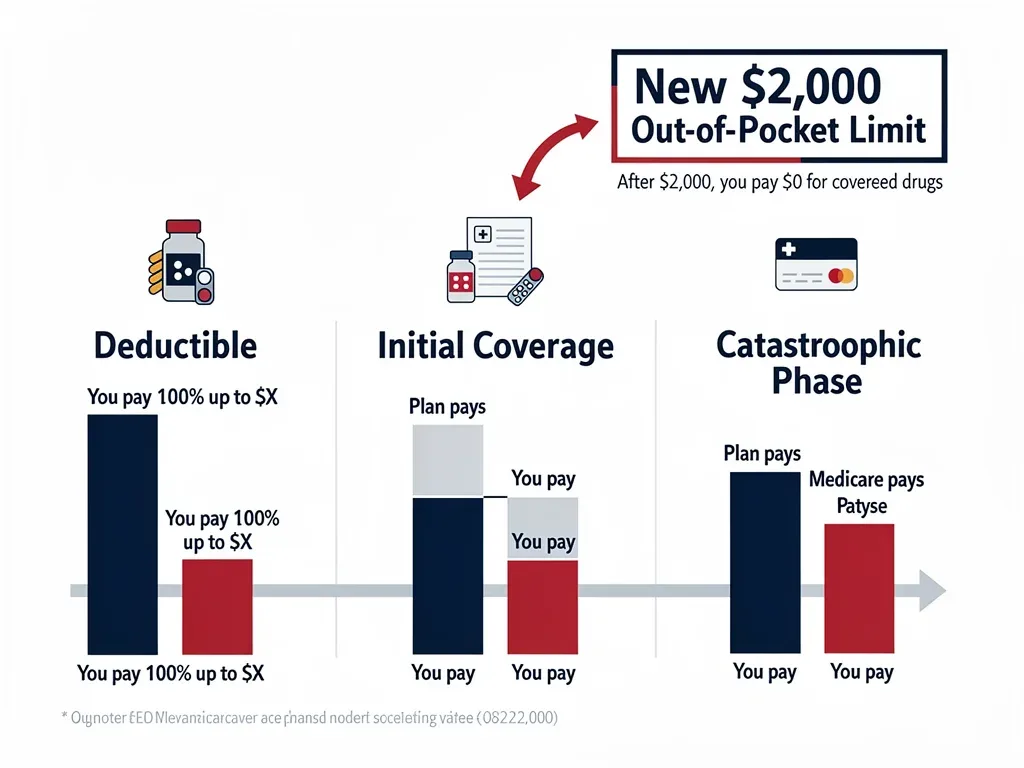
With the $2,000 cap, once a beneficiary’s out-of-pocket spending reaches $2,000 in a calendar year, they officially enter the catastrophic phase, and their cost-sharing for covered Part D drugs drops to $0 for the remainder of the year. This effectively eliminates the 5% coinsurance requirement in the catastrophic phase for all beneficiaries.
- Deductible Phase: Beneficiary pays 100% of drug costs until the deductible is met.
- Initial Coverage Phase: Beneficiary pays a copayment or coinsurance, and the plan pays the rest, until total drug costs (plan + beneficiary) reach the initial coverage limit.
- Coverage Gap (Donut Hole): Beneficiary pays 25% of the cost of brand-name and generic drugs. Manufacturer discounts also apply to brand-name drugs.
- Catastrophic Phase (New): Once the beneficiary's out-of-pocket spending reaches $2,000, they pay $0 for covered Part D drugs for the rest of the year.
This restructuring provides a clear and predictable maximum on annual drug spending, a stark contrast to the open-ended liability many faced previously. It simplifies financial planning for beneficiaries and offers a much-needed safety net for those with high prescription drug needs.
The impact is particularly significant for those navigating the coverage gap. While the cap doesn't eliminate the coverage gap itself, reaching the $2,000 out-of-pocket limit means beneficiaries will exit the gap and pay nothing, rather than continuing to pay 25% until they hit the catastrophic threshold and then still paying 5%. This streamlined approach offers more immediate and substantial relief.
Navigating Your Medicare Part D Plan with the New Cap
With the Medicare Part D Out-of-Pocket Cap Takes Full Effect: Annual Prescription Drug Spending Limited to $2,000, beneficiaries have an unprecedented opportunity to optimize their prescription drug coverage. However, understanding how to best navigate your plan under these new rules is essential to maximizing the benefits and minimizing your personal costs.
While the $2,000 cap provides a crucial safety net, it doesn't eliminate the need for careful plan selection and management. Premiums, deductibles, and formulary lists still vary significantly between plans, and these factors will continue to influence your initial out-of-pocket spending before you reach the cap.
Choosing the Right Plan
Even with the cap, selecting a Medicare Part D plan that best suits your individual needs remains paramount. Consider the following factors when reviewing your options:
- Formulary: Ensure your current medications are covered by the plan's formulary. Check for any restrictions or prior authorization requirements.
- Premiums: While the cap limits out-of-pocket drug costs, monthly premiums still contribute to your overall healthcare expenses. Compare premiums across plans.
- Deductibles and Copayments: These costs contribute to your $2,000 out-of-pocket maximum, but a higher deductible or copayment means you'll pay more upfront before reaching the cap.
Utilize the Medicare Plan Finder tool on Medicare.gov. This tool allows you to input your medications and compare plans based on estimated annual costs, including premiums, deductibles, and drug costs, taking the new cap into account. It's advisable to review your plan annually during the Open Enrollment Period (October 15 to December 7) to ensure it still meets your needs.
Furthermore, staying informed about your plan's specific rules and any changes to its formulary throughout the year is crucial. Plans can update their formularies, which might affect the coverage of your medications. Proactive engagement with your plan provider and pharmacist can help prevent unexpected costs.
The Broader Impact of the $2,000 Cap on Healthcare Access
The full implementation of the Medicare Part D Out-of-Pocket Cap Takes Full Effect: Annual Prescription Drug Spending Limited to $2,000 extends its influence far beyond individual financial relief, promising a broader positive impact on healthcare access and public health outcomes across the United States.
One of the most significant anticipated effects is improved medication adherence. High prescription drug costs have long been a leading cause of non-adherence, where patients skip doses, split pills, or abandon prescriptions altogether due to financial constraints. By limiting annual out-of-pocket costs, the cap removes a major barrier, making it easier for beneficiaries to consistently take their prescribed medications.
Enhanced Medication Adherence and Health Outcomes
Consistent medication adherence is critical for managing chronic conditions, preventing disease progression, and avoiding costly hospitalizations and emergency room visits. When patients adhere to their treatment plans, they experience better health outcomes, leading to an improved quality of life and reduced overall healthcare expenditures in the long run.
The cap also contributes to greater health equity. Historically, individuals with lower incomes or those from marginalized communities were disproportionately affected by high drug costs. While Low-Income Subsidies offered some protection, the universal $2,000 cap provides an additional layer of financial security for all beneficiaries, regardless of income level, ensuring that access to necessary medications is less dependent on one's economic status.
Reducing Financial Strain and Medical Debt
The financial strain of high prescription drug costs has contributed significantly to medical debt among seniors. Many beneficiaries have had to choose between paying for their medications, food, or housing. The $2,000 cap offers a clear limit to this financial burden, potentially reducing medical debt and allowing seniors to allocate their resources more effectively.
- Decreased Stress: Less financial anxiety for patients and their families.
- Improved Quality of Life: Better health enables more active and independent living.
- Reduced Healthcare System Burden: Fewer preventable hospitalizations due to medication non-adherence.
This policy change is a step towards a more humane and sustainable healthcare system, where essential medications are truly accessible to those who need them most. It underscores a recognition of prescription drugs as a fundamental component of healthcare, not an optional luxury.
Challenges and Considerations with the New Cap
While the Medicare Part D Out-of-Pocket Cap Takes Full Effect: Annual Prescription Drug Spending Limited to $2,000 offers substantial benefits, its implementation also brings certain challenges and considerations that beneficiaries and policymakers should be aware of. No major policy change is without its complexities, and understanding these nuances is key to a smooth transition and continued improvement.
One primary consideration is that while the cap limits out-of-pocket spending on covered drugs, it does not necessarily reduce the overall cost of prescription drugs. The difference in cost, once a beneficiary hits the cap, is largely absorbed by Medicare and potentially by drug manufacturers through discounts. This means that while individual beneficiaries are protected, the overall spending on prescription drugs within the Medicare program may still be high.
Potential for Premium Adjustments
The financial mechanisms supporting the new cap, including manufacturer discounts and government subsidies, could potentially influence Medicare Part D plan premiums in the future. While the aim is to reduce costs for beneficiaries, the shifting financial burden within the system might lead to adjustments in premiums or plan offerings over time. Beneficiaries will need to remain vigilant during annual enrollment periods to assess the value and cost-effectiveness of their chosen plans.
- Plan Offerings: Insurers might adjust their formularies or benefit designs.
- Premium Volatility: Premiums could fluctuate in response to the new cost-sharing structure.
- Beneficiary Awareness: The importance of annual plan review becomes even more critical.
Another challenge lies in ensuring that all eligible beneficiaries are aware of this significant change and understand how it impacts their drug costs. Effective communication and outreach from Medicare, plan providers, and healthcare advocates are essential to prevent confusion and ensure that individuals can fully leverage this new protection. Misinformation or lack of awareness could hinder the intended benefits.
Furthermore, the cap applies to covered Part D drugs. Medications not on a plan's formulary, or those requiring prior authorization that is denied, would not count towards the $2,000 limit. This reinforces the importance of carefully selecting a plan that covers all necessary medications and understanding the appeals process if coverage is initially denied.
Future Outlook: Beyond the $2,000 Cap
The full implementation of the Medicare Part D Out-of-Pocket Cap Takes Full Effect: Annual Prescription Drug Spending Limited to $2,000 is a monumental achievement, yet it also serves as a stepping stone towards further potential reforms in prescription drug pricing and healthcare affordability. This cap is part of a larger legislative effort to rein in drug costs, and its success may pave the way for additional changes.
One of the key aspects of the Inflation Reduction Act, in addition to the out-of-pocket cap, is Medicare's ability to negotiate drug prices for certain high-cost medications. While this negotiation process is being phased in, its long-term impact, combined with the out-of-pocket cap, could fundamentally reshape the pharmaceutical market and reduce overall drug expenditures for both beneficiaries and the Medicare program.
Continued Efforts in Drug Price Negotiation
Medicare's direct negotiation of drug prices is a historic development, aimed at bringing down the cost of some of the most expensive medications. As more drugs become subject to negotiation, the ripple effects could extend to commercial markets and further reduce the financial burden on patients. The synergy between negotiated prices and the out-of-pocket cap creates a powerful dual approach to affordability.
- Expanded Negotiation: More drugs will be eligible for price negotiation in future years.
- Market Influence: Negotiated prices may influence pricing strategies across the industry.
- Long-Term Savings: Potential for substantial long-term savings for Medicare and beneficiaries.
Beyond drug price negotiation, discussions around other aspects of Medicare Part D and prescription drug coverage are likely to continue. These could include reforms to drug rebate systems, adjustments to pharmacy benefit manager (PBM) practices, and further enhancements to low-income subsidies. The goal remains to create a more equitable, efficient, and affordable system for all.
The $2,000 cap is not merely a financial limit; it's a statement about the value of accessible healthcare and the commitment to protecting vulnerable populations from catastrophic medical expenses. Its success will undoubtedly inform future policy decisions, driving continuous improvements in how Americans access and afford their essential medications.
Ultimately, the future outlook suggests a healthcare environment where beneficiaries have greater protection against unpredictable drug costs, and where systemic efforts are made to control the underlying prices of pharmaceuticals. This holistic approach is crucial for sustainable healthcare in the United States.
| Key Point | Brief Description |
|---|---|
| $2,000 Out-of-Pocket Cap | Annual limit on prescription drug spending for Medicare Part D beneficiaries, effective January 1, 2025. |
| Elimination of 5% Coinsurance | Once the $2,000 cap is reached, beneficiaries pay $0 for covered Part D drugs for the rest of the year. |
| Inflation Reduction Act | The legislative act responsible for implementing this significant Medicare Part D reform. |
| Benefits High-Cost Users | Provides crucial financial protection for individuals with chronic conditions requiring expensive specialty drugs. |
Frequently Asked Questions About the Medicare Part D Cap
What does the $2,000 Medicare Part D out-of-pocket cap mean for me?▼It means that starting January 1, 2025, you will not pay more than $2,000 out-of-pocket annually for your covered prescription drugs under Medicare Part D. Once you reach this limit, your plan will cover 100% of your remaining drug costs for the year.
Which costs count towards the $2,000 out-of-pocket limit?▼Your deductible, copayments, and coinsurance for covered Part D drugs count towards the $2,000 cap. Monthly premiums do not count towards this limit, nor do costs for drugs not covered by your specific Part D plan's formulary.
Does the cap apply to all Medicare Part D plans?▼Yes, the $2,000 out-of-pocket cap applies to all Medicare Part D prescription drug plans, including stand-alone Part D plans and Medicare Advantage plans with prescription drug coverage (MAPDs). It is a universal benefit for all Part D beneficiaries.
How does this cap affect the Medicare Part D "donut hole"?▼The cap doesn't eliminate the "donut hole" (coverage gap), but it significantly limits how much you pay while in it. Once your out-of-pocket spending reaches $2,000, you will exit the donut hole and pay nothing for the rest of the year, providing substantial relief.
What should I do to prepare for this change?▼Review your current Medicare Part D plan during the annual Open Enrollment Period. Compare plans using Medicare.gov to ensure your medications are covered and to understand how the new cap will impact your total annual drug costs. Consult a benefits counselor if needed.
Conclusion
The full implementation of the Medicare Part D Out-of-Pocket Cap Takes Full Effect: Annual Prescription Drug Spending Limited to $2,000 marks a monumental step forward in making essential prescription medications more affordable and accessible for millions of Americans. This landmark provision, stemming from the Inflation Reduction Act, provides an indispensable financial safety net, ensuring that no beneficiary will face unlimited or catastrophic out-of-pocket costs for their covered drugs. While the cap offers significant relief, beneficiaries are encouraged to remain proactive in understanding their plan options and utilizing available resources to maximize these new protections. This change not only alleviates individual financial burdens but also promises to enhance medication adherence, improve health outcomes, and foster a more equitable healthcare landscape for all Medicare Part D enrollees.
