Micro-Habits for Modern Homes: 7 Simple Tweaks to Cut Chaos by 40%
Advertisements
Implementing small, consistent micro-habits can significantly reduce household chaos, transforming your modern home into a more organized and peaceful environment. These simple tweaks offer a practical approach to managing daily clutter and improving overall domestic efficiency.
Are you tired of the constant battle against clutter and disorganization in your living space? The solution might not be a massive overhaul but rather a series of small, consistent actions. This article explores how adopting micro-habits for modern homes can dramatically cut household chaos by up to 40%, transforming your environment and your mindset.
Understanding micro-habits and their impact on home organization
Micro-habits are tiny, actionable steps that require minimal effort but, when performed consistently, lead to significant results. Unlike grand, overwhelming organizational projects, micro-habits focus on small, manageable tasks that can be integrated seamlessly into your daily routine without feeling like a chore. The beauty of these small changes lies in their cumulative effect, gradually chipping away at chaos and building a foundation for a more organized home.
The concept hinges on the idea that consistency trumps intensity. Instead of dedicating an entire weekend to decluttering, which often leads to burnout, micro-habits encourage you to do a little bit every day. This approach reduces the mental load associated with home management and makes organization feel less daunting. For modern homes, where life often moves at a fast pace, these small, deliberate actions can be game-changers, preventing mess from accumulating and keeping spaces functional.
The psychology behind small changes
Our brains are wired to resist big changes, perceiving them as threats or sources of discomfort. Micro-habits bypass this resistance by being so small that they don't trigger the brain's alarm system. This makes them easier to start and, more importantly, easier to maintain. Over time, these small actions become automated, requiring less willpower and becoming an integral part of your daily life.
- Reduced friction: Less effort is required to start a micro-habit.
- Increased success rate: Small tasks are easier to complete, fostering a sense of accomplishment.
- Compounding effect: Small wins build momentum, leading to larger improvements.
- Sustainable change: Habits formed gradually are more likely to stick long-term.
Moreover, the success of micro-habits often creates a positive feedback loop. As you see tangible results from your small efforts, you become more motivated to continue, reinforcing the habit. This self-perpetuating cycle is crucial for sustained home organization and chaos reduction.
In essence, micro-habits are about making organization a natural, almost unconscious part of your day, rather than a dreaded task. By understanding this principle, you can harness its power to create a consistently tidy and functional living space.

The 'one-minute rule' for instant tidying
One of the most powerful micro-habits you can adopt is the 'one-minute rule.' This simple principle dictates that if a task takes less than a minute to complete, do it immediately. This could be putting away a book, wiping a spill, hanging up a coat, or filing a piece of mail. The cumulative effect of these tiny, instantaneous actions is profound, preventing small messes from escalating into overwhelming clutter.
Think about how often you leave an item out, telling yourself you'll get to it later. Often, 'later' never comes, or it comes when the item is buried under other forgotten things. The 'one-minute rule' interrupts this cycle, tackling potential clutter at its source. It's not about being obsessive; it's about being proactive and efficient with your time. By addressing these small tasks as they arise, you maintain a baseline level of tidiness that significantly reduces the overall chaos in your home.
Implementing the rule consistently
To make the 'one-minute rule' effective, it needs to become a reflex. This requires conscious effort at first, but with practice, it will become second nature. Consider placing visual cues in areas where clutter tends to accumulate, like a small sign by the door reminding you to hang up your keys or a note on the kitchen counter to wipe it down after use.
- Identify common 'one-minute' tasks: Recognize what small things you often postpone.
- Act immediately: Resist the urge to defer tasks that take under 60 seconds.
- Reward yourself (mentally): Acknowledge the satisfaction of a tidy space.
- Encourage family participation: Get everyone on board to amplify the effect.
The 'one-minute rule' is particularly effective in high-traffic areas like entryways, kitchens, and living rooms. These are often the first places where chaos begins to breed. By consistently applying this micro-habit, you'll notice a significant reduction in visible clutter and an overall improvement in the perceived order of your home. It's a foundational habit that supports all other organizational efforts.
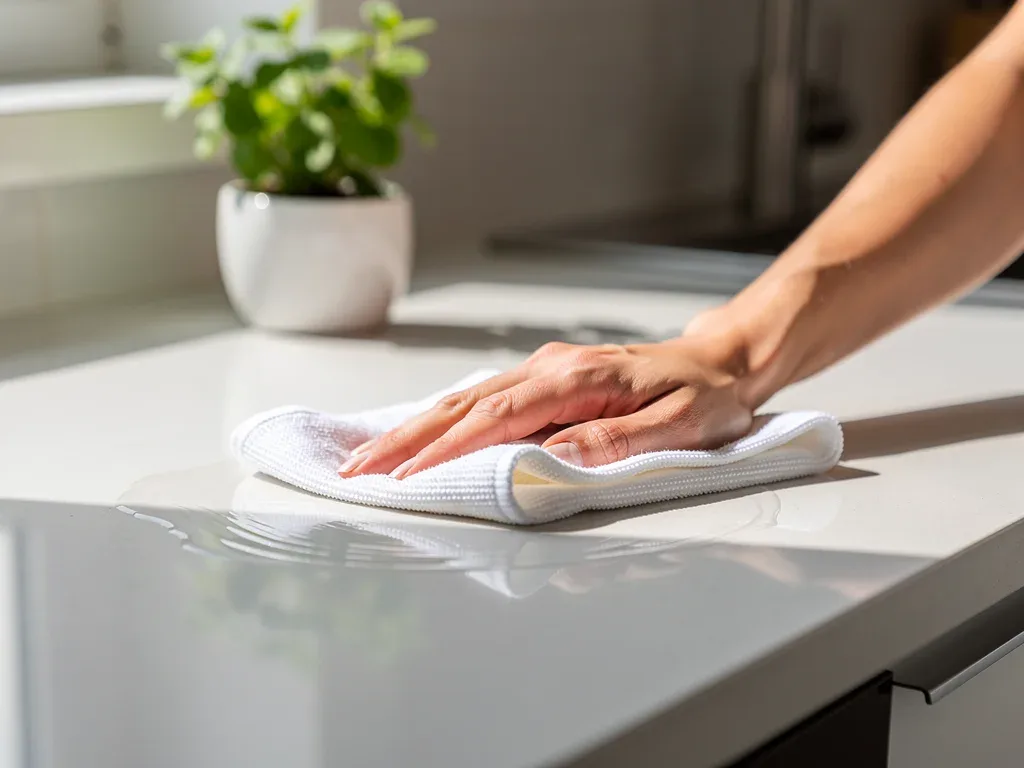
This simple yet powerful habit not only keeps your home tidier but also frees up mental space, reducing the background stress that often accompanies a chaotic environment. It proves that even the smallest actions can have a monumental impact on your daily living experience.
Establishing a 'landing strip' for daily essentials
Modern life often involves a flurry of items entering and exiting our homes daily: keys, wallets, phones, mail, bags, and shoes. Without a designated spot, these essentials can quickly scatter, creating clutter on countertops, tables, and floors. Establishing a 'landing strip' is a micro-habit that provides a designated home for these items immediately upon entry, preventing them from becoming rogue clutter.
A landing strip doesn't need to be elaborate. It could be a small console table, a wall-mounted shelf with hooks, or even a decorative tray on an existing surface near your main entry point. The key is its intentionality and consistency of use. Every time you walk through the door, you immediately place your daily essentials in their designated spots. This simple act takes mere seconds but saves minutes (or even hours) of searching for misplaced items later.
Designing your effective landing strip
The design of your landing strip should be functional and tailored to your specific needs. Consider what items you typically carry and what storage solutions would best accommodate them. For instance, if you frequently misplace keys, hooks are essential. If mail piles up, a small inbox or vertical file holder could be beneficial.
- Location: Choose a spot near your most frequently used entrance.
- Key items: Identify what needs a home (keys, wallet, phone, sunglasses, mail, bags).
- Storage solutions: Incorporate hooks, trays, small baskets, or shelves.
- Keep it clear: Regularly clear out anything that doesn't belong in the landing strip.
The success of this micro-habit lies in its consistent application. Make it a non-negotiable part of your routine when you enter your home. Over time, it will become an automatic behavior, and you'll notice a dramatic reduction in scattered items and the mental effort required to keep your entryway tidy. This small organizational strategy contributes significantly to cutting household chaos by providing a clear boundary for incoming items.
By preventing clutter from spreading beyond the entryway, you create a ripple effect of order throughout your home. This micro-habit exemplifies how a small, strategic change can yield substantial organizational benefits.
The 'reset button' ritual for common areas
Common areas like living rooms, dining rooms, and family rooms are often battlegrounds for clutter. Books, blankets, remote controls, toys, and various odds and ends tend to accumulate throughout the day. The 'reset button' ritual is a powerful micro-habit that involves taking 5-10 minutes each evening to tidy these spaces, returning items to their rightful homes before you go to bed. This ensures you wake up to a clean slate, reducing morning stress and setting a positive tone for the day.
Imagine starting your day with a tidy living room instead of navigating through yesterday's remnants. This ritual doesn't require deep cleaning; it's about putting things back where they belong. It's a quick, focused effort that prevents small disarrays from snowballing into overwhelming messes. By consistently pressing the 'reset button,' you maintain a base level of order that makes larger cleaning tasks less frequent and less daunting.
Implementing the nightly reset
To make the 'reset button' ritual effective, integrate it into your evening routine. It could be right after dinner, before watching your favorite show, or just before heading to bed. Make it a non-negotiable part of your day, and consider involving other household members to share the responsibility.
- Set a timer: A 5-10 minute timer can keep you focused and prevent overthinking.
- Focus on common areas: Prioritize living rooms, kitchens, and dining areas.
- 'A place for everything': Ensure every item has a designated home to facilitate quick put-away.
- Involve the family: Make it a collective effort to share the load.
This micro-habit is particularly effective because it capitalizes on the power of consistency. A few minutes each evening prevent hours of catch-up cleaning on the weekend. It also promotes a sense of calm and control over your living environment, significantly contributing to the reduction of household chaos. Waking up to an organized space can positively impact your mood and productivity throughout the day.
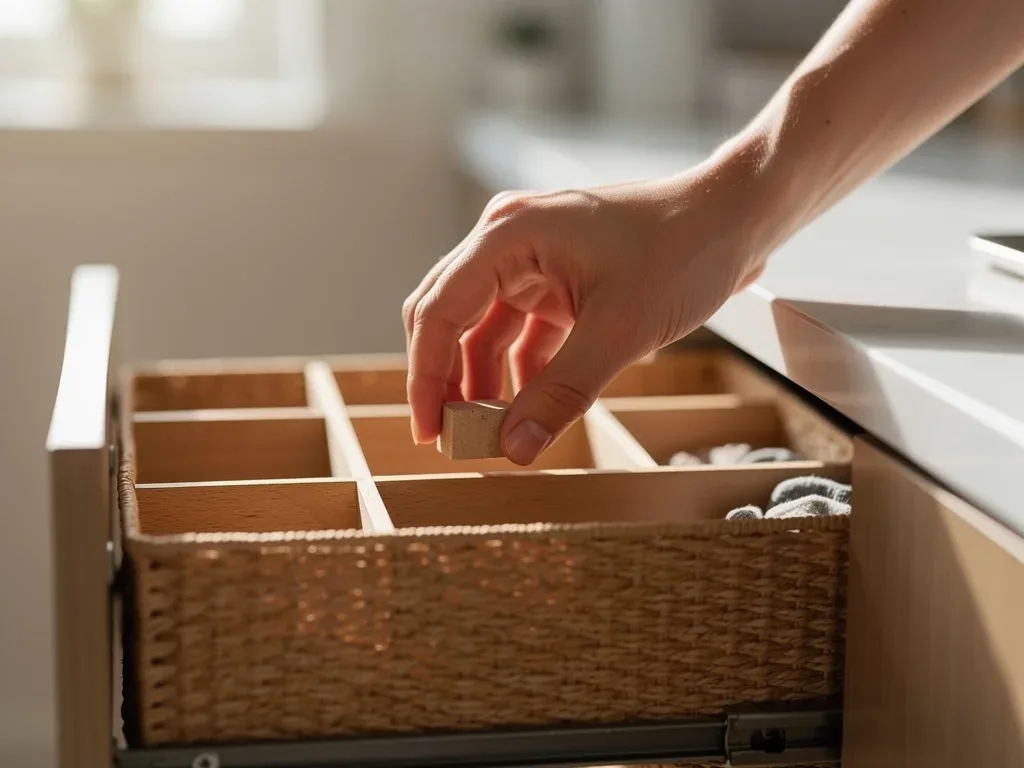
The 'reset button' ritual is a testament to how small, consistent efforts can create a profound difference in the overall order and tranquility of your modern home.
Decluttering with the 'one-in, one-out' rule
One of the primary drivers of household chaos is the accumulation of too many possessions. The 'one-in, one-out' rule is a simple yet powerful micro-habit designed to prevent this accumulation. The principle is straightforward: every time a new item enters your home, an old, similar item must leave. This applies to clothing, books, kitchen gadgets, toys, and virtually any category of household goods.
This rule forces you to be mindful of your purchases and the items you bring into your living space. It prevents the endless expansion of possessions that inevitably leads to clutter. Instead of waiting for your home to become overwhelmed before embarking on a massive decluttering spree, the 'one-in, one-out' rule ensures that your belongings remain at a manageable level on an ongoing basis. It's a proactive approach to maintaining a streamlined and organized home.
Applying the rule effectively
To successfully implement the 'one-in, one-out' rule, you need to be intentional and sometimes ruthless in your choices. It requires an honest assessment of whether the new item truly adds value that outweighs the old item it replaces. This habit encourages thoughtful consumption and a more minimalist mindset.
- Be specific: If you buy a new shirt, get rid of an old shirt.
- Consider usability: Does the old item still serve a purpose, or is the new one superior?
- Designate a donation/discard spot: Have a box ready for items leaving your home.
- Don't procrastinate: Make the 'out' decision immediately after the 'in' decision.
The 'one-in, one-out' rule is a consistent defense against clutter creep. It ensures that your storage spaces don't become overstuffed and that every item in your home truly earns its place. This micro-habit not only reduces physical chaos but also fosters a sense of control over your possessions and promotes a more deliberate, less consumer-driven lifestyle.
By adopting this simple rule, you'll find that maintaining an organized home becomes a continuous, effortless process rather than an arduous, periodic chore, significantly reducing overall household chaos.
Implementing zone tidying for focused effort
Zone tidying is a micro-habit that involves focusing on tidying one small, designated area or 'zone' each day, or even for just a few minutes. Instead of attempting to clean an entire room, which can feel overwhelming, you concentrate your efforts on a specific drawer, a section of a shelf, a corner of a counter, or a single small cabinet. This focused approach makes the task feel manageable and achievable, fostering a sense of accomplishment.
The idea is to break down larger organizational challenges into bite-sized pieces. Over time, these small, consistent efforts in different zones add up to a significantly tidier and more organized home. For instance, one day you might tackle a single kitchen drawer, the next day a section of your bookshelf, and the day after, a specific area on your desk. This prevents any one area from becoming overwhelmingly messy and ensures that all parts of your home receive attention.
Making zone tidying a routine
To integrate zone tidying into your daily life, it helps to have a mental or physical rotation of areas you want to address. You don't need to spend hours; even 5-10 minutes in a chosen zone can make a noticeable difference. The goal is progress, not perfection.
- Choose a small zone: Select an area that feels manageable for a quick tidy.
- Set a time limit: Dedicate 5-10 minutes to the chosen zone.
- Focus on one task: Declutter, organize, or clean within that specific zone.
- Be consistent: Make it a daily or every-other-day practice.
Zone tidying is particularly effective because it leverages the power of small, consistent wins. Each completed zone contributes to the overall order of your home, reducing the feeling of being overwhelmed by a large-scale mess. This micro-habit is a strategic way to chip away at chaos and maintain a consistently organized environment without the need for periodic, exhausting decluttering sessions. It transforms home organization from a reactive chore into a proactive, manageable routine.
By consistently applying zone tidying, you'll discover that maintaining order becomes an integrated part of your lifestyle, leading to a significant reduction in overall household chaos and a more peaceful living space.
The 'daily digital declutter' for mental clarity
While often overlooked in discussions about household chaos, digital clutter can significantly contribute to mental overwhelm and indirect physical disorganization. The 'daily digital declutter' is a micro-habit focused on spending 5-10 minutes each day organizing your digital life: deleting unnecessary emails, organizing files, clearing your desktop, or unsubscribing from unwanted newsletters. This practice reduces cognitive load and can indirectly impact physical clutter.
An overflowing inbox or a desktop covered in unfiled documents creates a sense of mental chaos that can spill over into your physical environment. When your digital world feels out of control, it's harder to focus on maintaining order in your physical space. By dedicating a small amount of time daily to digital organization, you create mental clarity, which in turn can make you more effective and motivated in managing your physical home.
Strategies for digital decluttering
The key to effective digital decluttering is to identify the areas where you experience the most digital friction and address them consistently. Just like physical clutter, digital clutter accumulates quickly if not managed regularly.
- Email triage: Delete, reply, or file new emails within minutes.
- Desktop sweep: Move temporary files to designated folders.
- Unsubscribe: Regularly purge unwanted newsletter subscriptions.
- Photo organization: Quickly delete blurry or duplicate photos from your phone.
This micro-habit, though not directly about physical objects, plays a crucial role in reducing overall household chaos by fostering a more organized mindset. A clear digital space often translates to a clearer physical space and a more focused approach to daily tasks. It's about creating an environment, both digital and physical, that supports productivity and peace of mind.
By consistently engaging in daily digital decluttering, you'll not only streamline your online life but also find yourself with more mental energy to tackle physical organization, ultimately contributing to a significant reduction in household chaos.
Prepping for tomorrow, today: The evening setup
The 'evening setup' is a powerful micro-habit that involves preparing key items for the next day before you go to bed. This could include laying out clothes, packing lunches, preparing coffee makers, or organizing work bags. This small, proactive effort takes just a few minutes in the evening but can drastically reduce morning rush-hour chaos, stress, and decision fatigue, leading to a smoother start to your day.
Mornings are often a race against the clock, filled with last-minute scrambles and forgotten items. By front-loading some of these tasks the night before, you free up valuable time and mental energy when you need it most. This micro-habit transforms your mornings from frantic to peaceful, allowing you to begin your day with a sense of control and preparedness. The reduction in morning stress alone can have a significant positive impact on your overall well-being and productivity.
Key areas for evening setup
Consider the aspects of your morning routine that typically cause the most friction or delays. These are the prime candidates for your evening setup micro-habit. The goal is to eliminate as many morning decisions and tasks as possible.
- Clothes: Lay out your outfit for the next day.
- Meals: Pack lunches, prepare breakfast items, or set out dinner ingredients.
- Work/School items: Pack bags, organize papers, charge devices.
- Coffee/Tea: Set up the coffee maker or have your tea ready.
The 'evening setup' is more than just about saving time; it's about creating a calmer, more intentional start to your day. By making these small preparations, you reduce the likelihood of morning chaos spilling over into your home and mind. This micro-habit is a prime example of how a few minutes of effort can yield substantial returns in terms of peace, productivity, and overall household order.
By consistently implementing the evening setup, you'll experience a noticeable decrease in morning stress and a more organized transition into your day, proving the immense power of proactive micro-habits in cutting household chaos.
| Micro-Habit | Benefit for Chaos Reduction |
|---|---|
| One-Minute Rule | Prevents small messes from accumulating into large clutter. |
| Landing Strip | Designates a home for daily essentials, reducing entryway clutter. |
| Reset Button Ritual | Ensures common areas are tidy each evening, starting days fresh. |
| One-In, One-Out Rule | Prevents clutter accumulation by maintaining a controlled inventory of items. |
Frequently asked questions about micro-habits for home organization
What are micro-habits, and how do they reduce household chaos?▼Micro-habits are small, simple actions performed consistently, requiring minimal effort. They reduce chaos by preventing clutter from accumulating and making organization an ongoing, manageable process rather than an overwhelming task, leading to a cumulative effect of tidiness.
How quickly can I expect to see results from implementing micro-habits?▼You can often see small, immediate improvements within days, like a tidier kitchen counter or a less cluttered entryway. Significant reductions in overall household chaos, such as the 40% mentioned, typically become noticeable within a few weeks to a couple of months of consistent application.
Can micro-habits work for families with young children?▼Absolutely. Micro-habits are highly adaptable for families. Involve children by making tasks fun and age-appropriate, like a 'toy reset' before bed or teaching them the 'one-minute rule' for putting away their own items. Consistency is key for everyone.
What if I miss a day or fall off track with my micro-habits?▼Don't worry! The goal is consistency, not perfection. If you miss a day, simply pick up where you left off the next day. Avoid self-criticism and focus on getting back on track. The small nature of micro-habits makes them easy to restart without feeling overwhelmed.
Are there any tools or apps that can help me maintain my micro-habits?▼Yes, many habit-tracking apps like 'Streaks,' 'Habitica,' or simple calendar reminders can help. However, the most effective tool is often visual cues in your home, like a designated basket or a checklist, to prompt your actions and reinforce the habit.
Conclusion
Transforming a chaotic home into a haven of order doesn't require monumental effort; it demands consistent, small actions. By embracing these seven micro-habits—the 'one-minute rule,' establishing a 'landing strip,' the 'reset button' ritual, the 'one-in, one-out' rule, zone tidying, daily digital decluttering, and the evening setup—you equip yourself with powerful tools to combat disarray. These tiny tweaks, when woven into the fabric of your daily life, compound over time, leading to a significant reduction in household chaos and fostering a more peaceful, functional, and enjoyable living environment. Start small, stay consistent, and watch your modern home transform.
