Mortgage Rates Dip: 30-Year Below 6.2% After Labor Data
Advertisements
National housing market alert: 30-year mortgage rates have dipped below 6.2% following recent labor data releases. This shift could significantly influence buyer affordability and market dynamics across the United States.
The housing market is a dynamic entity, constantly influenced by a myriad of economic factors. Recently, a significant shift has captured the attention of potential homebuyers and industry experts alike: the **National Housing Market Alert: 30-Year Mortgage Rates Dip Below 6.2% Following Fresh Labor Data**. This development presents a fascinating turn in the ongoing saga of real estate affordability and accessibility, potentially signaling a new chapter for those looking to enter or move within the market. Understanding the nuances of this change is crucial for anyone navigating the complexities of homeownership in today's economic climate.
Understanding the Mortgage Rate Dip
The recent dip in 30-year mortgage rates below the 6.2% threshold marks a notable event in the national housing market. This movement is not an isolated incident but rather a direct consequence of broader economic shifts, particularly those observed in the latest labor data. For many prospective homeowners, a fraction of a percentage point can translate into significant savings over the life of a loan, making this news particularly impactful.
Historically, mortgage rates are closely tied to the overall economic outlook, inflation expectations, and the Federal Reserve's monetary policy. When economic indicators suggest a potential cooling or stabilization, bond yields, which mortgage rates often track, tend to fall. This complex interplay of forces creates the environment where such rate adjustments become possible, offering a window of opportunity for buyers who have been sidelined by higher costs.
The Federal Reserve's Influence
- Monetary Policy: The Fed's decisions on interest rates directly influence the cost of borrowing for banks.
- Inflation Control: Efforts to manage inflation can lead to adjustments in the federal funds rate, impacting mortgage rates.
- Economic Outlook: The Fed's assessment of the economy's health plays a critical role in its policy-making.
The Federal Reserve's actions are a cornerstone in understanding mortgage rate movements. While the Fed does not directly set mortgage rates, its influence on short-term interest rates and its overall economic outlook heavily impact the bond market. When the Fed signals a less aggressive stance on rate hikes or even hints at future cuts, it often leads to a sympathetic decline in long-term rates, including those for 30-year mortgages. This indirect but powerful relationship ensures that any significant shift in Fed policy or economic projections will reverberate through the housing finance sector.
In summary, the recent dip in mortgage rates is a multifaceted phenomenon, reflecting a combination of economic data, market sentiment, and central bank policy. For homebuyers, this means a potentially more favorable borrowing environment, though the long-term sustainability of these lower rates remains subject to ongoing economic developments.
The Role of Fresh Labor Data in Rate Movements
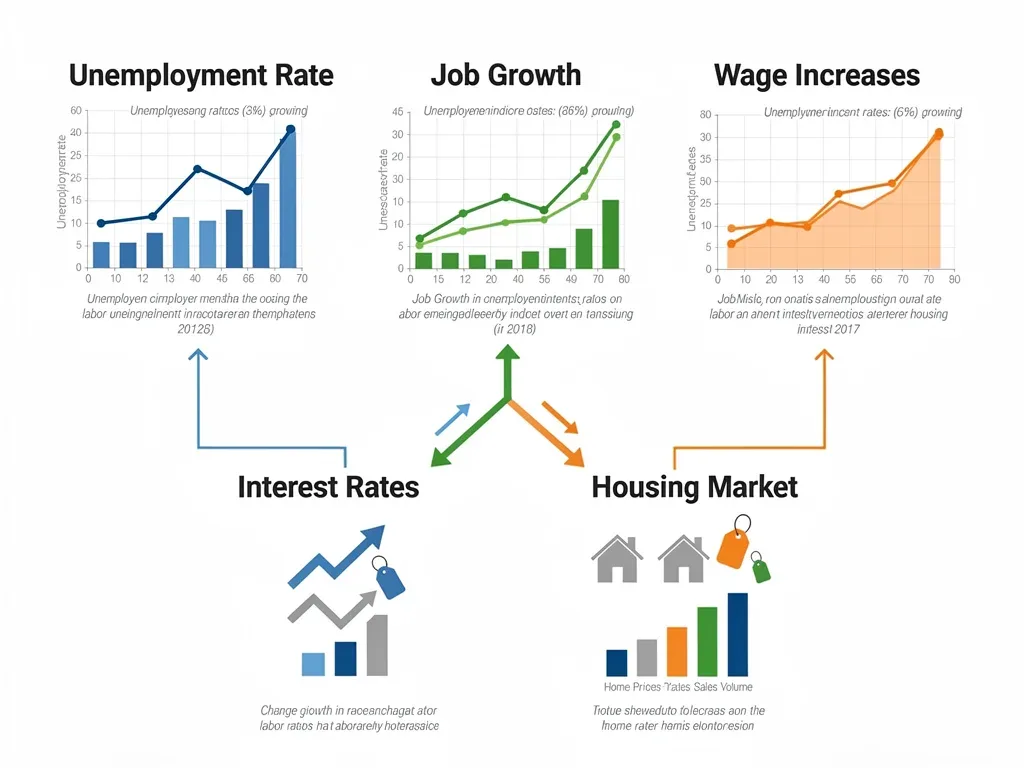
The connection between fresh labor data and mortgage rates might not be immediately obvious, but it's a critical link in the economic chain. Recent reports on employment, wages, and unemployment claims provide vital clues about the health and direction of the national economy. These indicators are closely watched by investors, policymakers, and lenders, as they inform expectations about inflation and future interest rate actions by the Federal Reserve.
When labor data suggests a cooling economy, such as slower job growth or a slight increase in unemployment, it can alleviate concerns about inflation. Lower inflation expectations often lead to a decrease in bond yields, which in turn can push mortgage rates downward. Conversely, robust labor data indicating a strong, potentially overheating economy might fuel inflation fears, prompting an upward pressure on rates.
Key Labor Indicators to Watch
- Unemployment Rate: A key measure of economic health and labor market tightness.
- Job Growth: The number of new jobs created each month, indicating economic expansion or contraction.
- Wage Growth: Increases in average hourly earnings, a direct driver of inflation.

The latest labor data, which contributed to the mortgage rate dip, likely presented a picture that eased some of the inflationary pressures previously perceived. Perhaps job growth moderated slightly, or wage increases showed signs of stabilizing rather than accelerating. These subtle shifts are often enough to alter market sentiment and influence the trajectory of long-term interest rates. Lenders, in particular, adjust their offerings based on these forward-looking economic signals.
Ultimately, the recent labor data provided the necessary impetus for a recalibration of market expectations, leading to a more favorable environment for mortgage rates. This highlights the intricate dance between economic reports and the cost of borrowing, underscoring why labor statistics are so closely monitored by anyone involved in real estate or finance.
Impact on Homebuyers and Affordability
For individuals and families aspiring to homeownership, the news of a **mortgage rates dip** is undoubtedly a welcome development. Even a modest reduction in the 30-year fixed-rate mortgage can significantly enhance affordability, making the dream of owning a home more tangible for a broader segment of the population. Lower interest rates translate directly into lower monthly mortgage payments, freeing up household income for other expenses or savings.
Consider a scenario where a borrower takes out a $400,000 mortgage. A reduction from, say, 6.5% to 6.1% could save them hundreds of dollars each month, accumulating to tens of thousands over the life of the loan. This increased purchasing power can allow buyers to consider slightly more expensive homes, allocate more towards a down payment, or simply enjoy greater financial flexibility. It also encourages fence-sitters, who may have been waiting for more favorable conditions, to re-enter the market.
Enhanced Buying Power
- Lower Monthly Payments: Directly reduces the financial burden of homeownership.
- Increased Loan Qualification: More individuals may qualify for larger loan amounts.
- Opportunity for Refinancing: Existing homeowners might consider refinancing to secure a lower rate.
The psychological impact on buyers is also considerable. A downward trend in rates can instill confidence and urgency, prompting quicker decision-making. This can lead to an uptick in market activity, as buyers look to lock in advantageous rates before potential future increases. However, it's also important for buyers to remain diligent, ensuring they secure the best possible terms and fully understand the long-term commitments involved.

In essence, the recent dip has injected a renewed sense of optimism into the housing market. It provides a much-needed boost to affordability, potentially easing some of the financial strain that has characterized the market in recent times. This shift could very well be the catalyst many have been waiting for to make their homeownership goals a reality.
Potential Market Repercussions and Trends
The **mortgage rates dip** below 6.2% is not merely a beneficial development for individual homebuyers; it carries significant potential repercussions for the broader housing market. This shift could trigger a chain reaction, influencing everything from housing demand and inventory levels to home price appreciation and regional market dynamics. Understanding these potential trends is crucial for anyone involved in real estate, from investors to policymakers.
Firstly, increased affordability typically translates into heightened buyer demand. As more individuals can comfortably afford monthly mortgage payments, the pool of active buyers expands. This surge in demand, especially if not met by a corresponding increase in housing supply, could lead to renewed competition for available homes. Such competition, in turn, often exerts upward pressure on home prices, potentially eroding some of the initial affordability gains over time.
Market Dynamics to Observe
- Increased Buyer Demand: More affordable financing attracts a larger pool of prospective buyers.
- Inventory Changes: How quickly new listings appear to meet demand will be critical.
- Price Appreciation: Sustained demand without adequate supply could lead to home price increases.
Furthermore, this rate dip might also influence existing homeowners. Those who previously held off on selling due to high rates or the prospect of securing a new, higher mortgage may now find the conditions more favorable. This could lead to an increase in housing inventory, which would be a welcome development for a market that has often struggled with limited supply. However, the impact on inventory is complex, as many homeowners with historically low rates may still be hesitant to move.
Ultimately, the market's response to this rate dip will be a critical indicator of its overall health and resilience. While immediate benefits to affordability are clear, the long-term effects on demand, supply, and pricing will unfold over the coming months. Observing these trends closely will provide valuable insights into the future direction of the national housing market.
Strategies for Navigating the Current Market
For prospective homebuyers and existing homeowners, the current market environment, characterized by the **mortgage rates dip**, presents both opportunities and challenges. Navigating this landscape effectively requires a well-thought-out strategy, informed decision-making, and a clear understanding of personal financial goals. Proactive engagement with market trends and expert advice can make a significant difference in securing favorable outcomes.
For those looking to buy, locking in a lower rate is paramount. This means being pre-approved for a mortgage, having all necessary documentation ready, and acting swiftly when the right property emerges. It's also advisable to work with an experienced real estate agent who understands the local market nuances and can guide you through competitive bidding situations if they arise. Don't rush into a decision, but be prepared to move efficiently.
Tips for Buyers and Sellers
- Get Pre-Approved: Understand your borrowing capacity and demonstrate seriousness to sellers.
- Shop Around for Lenders: Compare offers from multiple lenders to secure the best rate and terms.
- Be Prepared to Act: In a dynamic market, readiness can be a significant advantage.
Existing homeowners might consider refinancing their current mortgage to take advantage of the lower rates. This could reduce monthly payments, shorten the loan term, or even allow them to tap into their home equity more affordably. However, refinancing involves closing costs, so it's essential to calculate whether the long-term savings outweigh these upfront expenses. Consulting with a financial advisor can help determine if refinancing aligns with your financial objectives.
In essence, whether you're buying, selling, or considering refinancing, the current market demands a strategic approach. Leveraging the favorable rate environment while remaining mindful of broader market dynamics will be key to making informed and beneficial real estate decisions.
Looking Ahead: Future Outlook for Mortgage Rates
Predicting the future trajectory of mortgage rates is inherently challenging, given the multitude of economic variables at play. However, understanding the factors that will likely influence them can help homebuyers and industry professionals anticipate potential shifts. The recent **mortgage rates dip** is a snapshot in time, and while encouraging, it's essential to consider what might lie ahead for the national housing market.
The Federal Reserve's stance on inflation and its monetary policy will continue to be a dominant force. If inflation continues to moderate, or if the economy shows further signs of cooling, the Fed might maintain a dovish stance, potentially allowing rates to stabilize or even fall further. Conversely, any resurgence in inflationary pressures or unexpected strength in the labor market could prompt the Fed to reconsider its approach, leading to upward pressure on rates.
Factors Influencing Future Rates
- Inflation Trends: The primary driver of Federal Reserve policy and bond yields.
- Economic Growth: Stronger growth can lead to higher rates as demand for capital increases.
- Geopolitical Events: Global uncertainties can influence investor sentiment and safe-haven demand for bonds.
Beyond monetary policy, global economic conditions, geopolitical events, and domestic fiscal policies can all play a role. For instance, a flight to safety in the bond market during times of international instability can sometimes push rates down, even if domestic conditions suggest otherwise. Similarly, government spending and borrowing can influence the supply and demand for bonds, affecting their yields and, consequently, mortgage rates.
In conclusion, while the current dip offers a moment of respite for the housing market, the future remains uncertain. Homebuyers should view this period as an opportunity, but also stay informed about ongoing economic developments. Flexibility and a willingness to adapt to changing market conditions will be crucial for navigating the evolving landscape of mortgage rates in the coming months and years.
| Key Point | Brief Description |
|---|---|
| Mortgage Rate Dip | 30-year mortgage rates have fallen below 6.2%, offering better affordability. |
| Labor Data Influence | Fresh labor statistics, showing signs of economic cooling, contributed to the rate drop. |
| Buyer Affordability Boost | Lower rates mean reduced monthly payments, increasing purchasing power for homebuyers. |
| Market Repercussions | Potential for increased demand and possible impact on housing prices and inventory. |
Frequently Asked Questions About Mortgage Rates
What caused the recent dip in 30-year mortgage rates?▼The recent dip in 30-year mortgage rates is primarily attributed to fresh labor data indicating a cooling economy. This often leads to reduced inflation concerns, which in turn can cause bond yields to fall, pushing mortgage rates downward. The Federal Reserve's monetary policy also plays a significant indirect role.
How does this mortgage rate dip affect my monthly payments?▼A dip in mortgage rates directly lowers your monthly mortgage payments. For example, a decrease from 6.5% to 6.1% on a $400,000 loan can save you hundreds of dollars each month. This increases your overall affordability and frees up household income for other uses.
Should I consider refinancing my current mortgage now?▼If you currently have a mortgage with a higher interest rate, the recent dip presents a potential opportunity to refinance. Refinancing could secure a lower rate, reduce your monthly payments, or shorten your loan term. However, always weigh the savings against closing costs and consult a financial advisor.
What impact will this have on the national housing market?▼This mortgage rate dip is likely to increase buyer demand due to enhanced affordability. If supply does not keep pace, this could lead to increased competition and potentially put upward pressure on home prices. It may also encourage some existing homeowners to sell or refinance.
Are these lower mortgage rates expected to last?▼The longevity of lower mortgage rates is subject to ongoing economic developments, particularly inflation trends and Federal Reserve policy. While the current dip is favorable, future rates could fluctuate based on economic growth, geopolitical events, and shifts in the central bank's stance. Staying informed is key.
Conclusion
The recent **National Housing Market Alert: 30-Year Mortgage Rates Dip Below 6.2% Following Fresh Labor Data** represents a pivotal moment for the real estate landscape in the United States. This significant reduction in borrowing costs, spurred by a nuanced interplay of economic indicators and central bank policy, offers a tangible boost to affordability for countless prospective homebuyers. While the immediate benefits of lower monthly payments and increased purchasing power are clear, the broader market implications, including potential shifts in demand, supply, and home price appreciation, warrant careful observation. Navigating this evolving environment successfully will require both vigilance and strategic planning, whether one is entering the market for the first time or considering a refinance. As economic conditions continue to unfold, staying informed and adaptable will be paramount for making sound financial decisions in the dynamic housing sector.
