Satellite Direct-to-Cell Tech: Eliminating US Dead Zones
Advertisements
Satellite direct-to-cell technology, leveraging 5G non-terrestrial networks, is revolutionizing connectivity by promising to eliminate nearly all cellular dead zones across the United States, offering seamless mobile service even in the most remote areas.
Imagine a future where dropped calls and lost signals are relics of the past. The promise of satellite direct-to-cell technology is not just a distant dream; it's rapidly becoming a reality, poised to eliminate an estimated 99% of dead zones across the US. This innovative approach, utilizing 5G non-terrestrial networks, represents a monumental leap in universal connectivity, fundamentally changing how we interact with our mobile devices.
Understanding Satellite Direct-to-Cell Technology
Satellite direct-to-cell technology is a groundbreaking innovation designed to extend cellular coverage far beyond the reach of traditional terrestrial cell towers. It achieves this by allowing standard smartphones to connect directly to satellites orbiting Earth, bypassing the need for any specialized equipment or modifications to existing mobile devices. This seamless integration means that users can make calls, send texts, and access data in areas that were previously communication black holes.
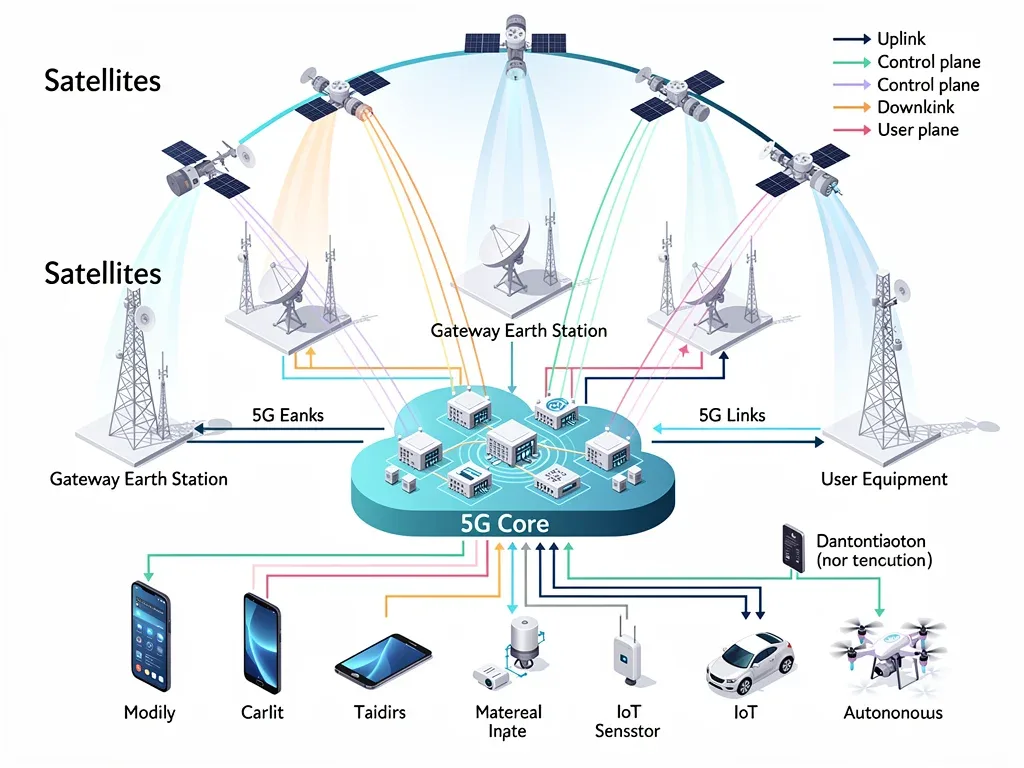
The core principle involves low Earth orbit (LEO) satellites, which are positioned much closer to Earth than traditional geostationary satellites. This proximity significantly reduces latency and improves signal strength, making direct communication with handheld devices feasible. These LEO constellations act as orbiting cell towers, relaying signals to and from ground stations connected to the global telecommunications network. This architectural shift is critical for achieving widespread coverage.
The Role of Low Earth Orbit (LEO) Satellites
- Reduced Latency: LEO satellites orbit at altitudes of 160 to 2,000 kilometers, much lower than geostationary satellites at 35,786 kilometers. This closer proximity minimizes the time delay in signal transmission, crucial for real-time communication.
- Improved Signal Strength: The shorter distance also means signals lose less power, allowing standard phone antennas to receive and transmit effectively without requiring external boosters.
- Global Coverage: A constellation of LEO satellites can provide continuous coverage across the entire globe, including oceans, remote landmasses, and polar regions where terrestrial infrastructure is impractical.
This approach isn't merely about filling gaps; it's about creating a resilient and ubiquitous communication layer that complements and enhances existing ground networks. The technology holds immense promise for emergency services, rural communities, and travelers, ensuring that a connection is always within reach, regardless of location. The integration of these satellite networks with existing mobile infrastructure is a complex but rapidly advancing field.
The Emergence of 5G Non-Terrestrial Networks (NTNs)
5G non-terrestrial networks (NTNs) represent the next evolution in telecommunications, extending the capabilities of 5G beyond traditional ground-based infrastructure. These networks leverage space-based assets like satellites, as well as high-altitude platform stations (HAPS), to deliver 5G services to areas otherwise unreachable. The integration of NTNs into the 5G standard is a significant step towards achieving truly universal connectivity, enabling seamless roaming between terrestrial and non-terrestrial networks.
The 3GPP, the global standards body for mobile telecommunications, has been instrumental in defining the specifications for 5G NTNs. These standards ensure interoperability and allow existing 5G-enabled devices to connect to satellite networks without requiring hardware modifications. This standardization is crucial for widespread adoption and for telecommunication companies to seamlessly integrate satellite services into their offerings. The goal is to provide a consistent 5G experience everywhere.
Key Components of 5G NTNs
- Satellites: LEO, MEO (Medium Earth Orbit), and GEO (Geostationary Earth Orbit) satellites are all being explored for their unique advantages in delivering 5G services. LEO satellites are particularly favored for their low latency and ability to support direct-to-cell communication.
- High-Altitude Platform Stations (HAPS): These are aircraft (like drones or balloons) operating in the stratosphere, providing localized 5G coverage with high bandwidth and lower latency than satellites, especially useful for disaster recovery or temporary event coverage.
- Ground Segment: This includes gateway stations that link the space segment to the terrestrial core network, managing data traffic and network operations.
The development of 5G NTNs is not just about extending coverage; it's also about enhancing network resilience, enabling new applications for IoT in remote areas, and supporting critical communications during emergencies when terrestrial networks might be compromised. This comprehensive approach ensures robust and reliable connectivity across diverse environments and use cases. The synergy between terrestrial and non-terrestrial networks is key.
Eliminating 99% of Dead Zones Across the US
The ambitious goal of eliminating 99% of dead zones across the US is within reach thanks to the rapid advancements in satellite direct-to-cell technology and 5G NTNs. Currently, significant portions of the United States, particularly rural and remote areas, suffer from inadequate or non-existent cellular coverage. These dead zones pose challenges for economic development, public safety, and basic communication for millions of Americans. Satellite solutions offer a viable and cost-effective way to bridge these connectivity gaps.
By providing ubiquitous coverage, satellite direct-to-cell technology ensures that individuals in previously underserved areas can access emergency services, conduct business, and stay connected with family and friends. This has profound implications for rural communities, where lack of internet access often exacerbates the digital divide. The ability to use existing smartphones to connect directly to satellites removes a significant barrier to entry, as no new expensive hardware is required on the user's end.
Impact on Rural America
- Economic Opportunities: Enhanced connectivity can unlock new economic opportunities for rural businesses, enabling e-commerce, remote work, and access to digital markets.
- Improved Education: Students in remote areas gain better access to online learning resources, bridging educational disparities.
- Healthcare Access: Telemedicine becomes more accessible, providing critical healthcare services to populations far from urban medical centers.
- Public Safety: First responders will have reliable communication in remote areas during emergencies, significantly improving response times and coordination.

The deployment of these networks is not without its challenges, including regulatory hurdles, spectrum allocation, and ensuring seamless handovers between terrestrial and satellite networks. However, the benefits far outweigh these complexities, driving significant investment and collaboration between space companies, mobile network operators, and government agencies. The vision of a fully connected America is becoming increasingly tangible.
How Satellite Direct-to-Cell Works with Your Existing Phone
One of the most remarkable aspects of satellite direct-to-cell technology is its compatibility with existing smartphones. Unlike previous satellite phone solutions that required bulky, specialized devices, this new generation of technology allows your standard mobile phone to connect directly to orbiting satellites. This is achieved through a combination of advanced satellite design, sophisticated signal processing, and optimized protocols that leverage the capabilities of modern smartphone chipsets.
When your phone is out of range of a terrestrial cell tower, it automatically searches for available satellite signals. Once a connection is established, the satellite acts as a relay, capturing your phone's signal and transmitting it to a ground station, which then routes it through the standard cellular network. This process is designed to be largely transparent to the user, providing a seamless experience akin to connecting to a regular cell tower, albeit with potentially higher latency for certain applications.
Technological Innovations Enabling Direct-to-Cell
- Advanced Antennas on Satellites: Satellites are equipped with highly sensitive and powerful antennas capable of detecting and amplifying the relatively weak signals from standard smartphones.
- Software-Defined Radios: These allow satellites to adapt to various cellular standards and frequencies, making them compatible with a wide range of existing devices.
- Chipset Optimization: Smartphone manufacturers are beginning to integrate chipsets optimized for satellite connectivity, further enhancing performance and efficiency.
While initial deployments may focus on basic services like text messaging and emergency calls, future iterations will support voice and even limited data services. The goal is to provide a baseline level of connectivity in all areas, ensuring that users are never truly disconnected. This integration represents a significant shift in mobile network architecture, moving towards a truly hybrid terrestrial-satellite ecosystem. The convenience of using your current device is a major selling point.
Key Players and Collaborations Driving Innovation
The development and deployment of satellite direct-to-cell technology are being spearheaded by a diverse array of companies, ranging from established aerospace giants to innovative startups, often working in close collaboration with major mobile network operators. These partnerships are crucial for integrating the space segment with existing terrestrial infrastructure and ensuring widespread adoption. The competitive landscape is fostering rapid innovation and technological advancements.
Prominent players like SpaceX (Starlink), AST SpaceMobile, Lynk Global, and Apple are at the forefront of this revolution. SpaceX's Starlink, known for its extensive LEO constellation, is actively exploring direct-to-cell capabilities. AST SpaceMobile is building a global cellular broadband network from space, designed to connect directly to unmodified mobile phones. Lynk Global has already demonstrated successful direct-to-cell text messaging and is expanding its satellite constellation for broader service. Apple's emergency SOS via satellite feature, available on newer iPhone models, showcases an early consumer-facing application of this technology, albeit with specialized hardware.
Major Collaborations and Partnerships
- Mobile Network Operators (MNOs): T-Mobile has partnered with SpaceX to provide satellite connectivity, aiming to eliminate dead zones. AT&T and Verizon are also exploring similar collaborations with various satellite providers.
- Satellite Companies: Companies like OneWeb and Viasat, while not directly focused on direct-to-cell, are significant players in the broader satellite communication ecosystem and their technologies may integrate.
- Government Agencies: Regulatory bodies like the FCC are working to allocate spectrum and establish frameworks to facilitate the deployment of these novel networks, ensuring fair competition and consumer protection.
These collaborations are essential for overcoming the technical, regulatory, and financial hurdles associated with deploying a global satellite-based cellular network. The combined expertise of space technology firms and telecommunications giants is accelerating the pace of development, bringing us closer to a world where cellular dead zones are a thing of the past. The strategic alignment of these entities is a powerful force.
The Future Landscape of Connectivity in the US
The introduction of satellite direct-to-cell technology and 5G NTNs is set to dramatically reshape the future landscape of connectivity across the United States. This paradigm shift will not only eliminate frustrating dead zones but also unlock new possibilities for innovation, economic growth, and public safety. The vision is a truly connected nation where geographical barriers no longer dictate access to essential communication services.
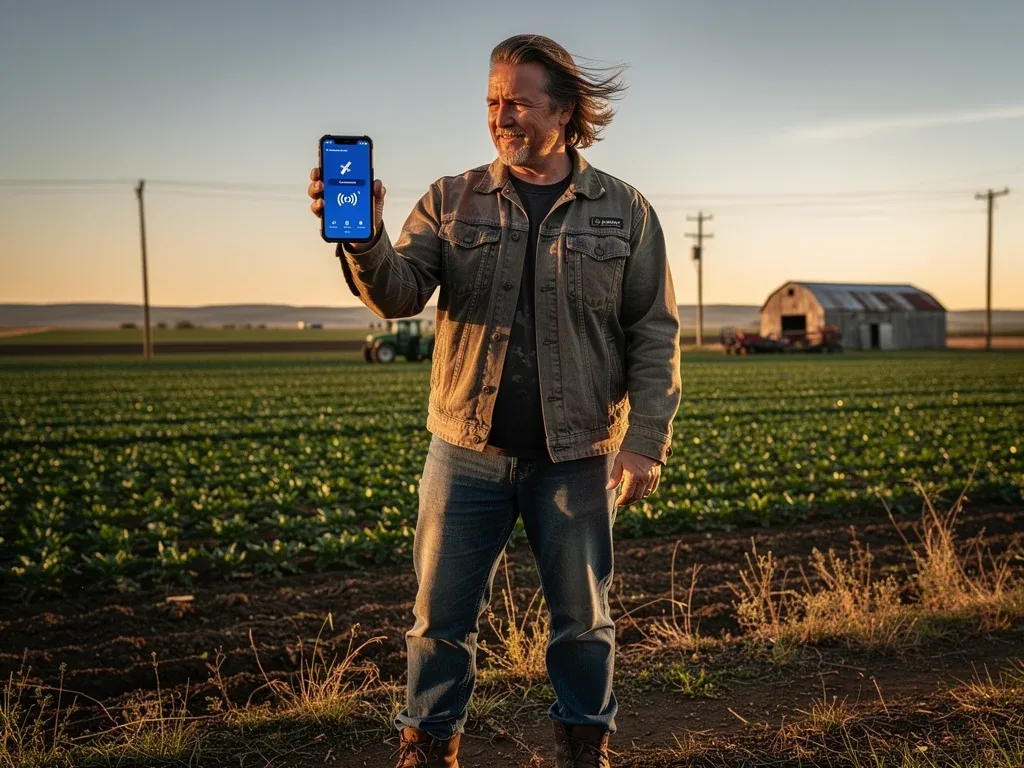
Beyond basic mobile connectivity, this technology will enable advanced applications in areas such as precision agriculture, remote monitoring of infrastructure, environmental sensing, and autonomous vehicle communication in rural corridors. The increased network resilience offered by satellite backup systems will also be critical during natural disasters or large-scale emergencies, ensuring that communication lines remain open when terrestrial networks fail. This multi-layered approach to connectivity provides unprecedented reliability.
Anticipated Future Developments
- Enhanced Data Speeds: As satellite technology advances, expect higher bandwidth and lower latency, enabling more data-intensive applications like video streaming and cloud computing over satellite.
- IoT Expansion: The ability to connect devices directly to satellites will fuel a massive expansion of the Internet of Things (IoT) in remote and rural environments, from smart farming sensors to connected logistics.
- Global Roaming: Seamless global roaming between terrestrial and satellite networks will become commonplace, ensuring continuous connectivity for international travelers and maritime operations.
While challenges such as spectrum management, satellite traffic control, and cybersecurity remain, the trajectory of satellite direct-to-cell technology is clear: it is an indispensable component of the future telecommunications infrastructure. The next few years will see significant deployments and the realization of a truly ubiquitous 5G network, fundamentally transforming how individuals and industries operate throughout the US. The impact on daily life will be profound and far-reaching.
| Key Aspect | Brief Description |
|---|---|
| Direct-to-Cell | Allows standard smartphones to connect directly to satellites, eliminating the need for specialized equipment. |
| 5G NTNs | 5G Non-Terrestrial Networks extend 5G coverage using satellites and high-altitude platforms. |
| Dead Zone Elimination | Aims to remove 99% of cellular dead zones across the US, especially in rural areas. |
| Key Players | Companies like SpaceX, AST SpaceMobile, Lynk Global, and major MNOs are driving this innovation. |
Frequently Asked Questions About Satellite Direct-to-Cell
What is satellite direct-to-cell technology?▼Satellite direct-to-cell technology enables standard mobile phones to connect directly to satellites in orbit, bypassing traditional cell towers. This allows for communication in remote areas where terrestrial networks are unavailable, providing essential connectivity.
How do 5G non-terrestrial networks (NTNs) differ from regular 5G?▼5G NTNs extend 5G services by utilizing space-based assets like satellites and high-altitude platforms, rather than just ground-based towers. This expansion aims to provide ubiquitous coverage and enhance network resilience beyond urban centers.
Will my current smartphone work with satellite direct-to-cell?▼Yes, a key advantage of this technology is its compatibility with existing, unmodified smartphones. While some newer phones may have optimized chipsets, the core principle allows standard devices to connect directly to satellites for basic services.
What impact will this technology have on rural areas?▼It will significantly improve connectivity in rural and remote areas, fostering economic growth, enhancing access to education and healthcare, and boosting public safety by providing reliable communication where it was previously absent.
When can we expect widespread availability of satellite direct-to-cell services?▼Initial services, particularly for text and emergency calls, are already being rolled out in limited capacities. Widespread availability for voice and data is expected within the next few years as satellite constellations expand and integration with MNOs deepens.
Conclusion
The advent of satellite direct-to-cell technology, powered by 5G non-terrestrial networks, marks a pivotal moment in the quest for universal connectivity. By enabling standard smartphones to connect directly to satellites, this innovation is set to virtually eliminate cellular dead zones across the United States. This transformative shift promises not only to bridge the digital divide for millions in rural and remote areas but also to enhance public safety, stimulate economic development, and unlock new possibilities for a truly interconnected nation. The collaborative efforts of leading technology companies and mobile network operators are rapidly turning this ambitious vision into a tangible reality, heralding an era where reliable communication is accessible to everyone, everywhere.
