Social Security Administration Confirms 2.8% COLA Adjustment for Beneficiaries Nationwide
Advertisements
The Social Security Administration has officially confirmed a 2.8% Cost-of-Living Adjustment (COLA) for millions of beneficiaries across the United States, effective next year, aiming to help maintain purchasing power amidst economic shifts.
The Social Security Administration Confirms 2.8% COLA Adjustment for Beneficiaries Nationwide, a development eagerly anticipated by millions. This adjustment is a vital mechanism designed to help Social Security and Supplemental Security Income (SSI) beneficiaries keep pace with rising costs of living.
Understanding the COLA Adjustment
The Cost-of-Living Adjustment, or COLA, is a critical component of the Social Security program, ensuring that the benefits received by retirees, survivors, and individuals with disabilities do not erode due to inflation. This annual adjustment reflects changes in the cost of goods and services, aiming to preserve the purchasing power of beneficiaries.
The methodology for calculating COLA is specific and based on federal law. It primarily hinges on the Consumer Price Index for Urban Wage Earners and Clerical Workers (CPI-W), which measures inflation. This ensures that the adjustment is a direct response to economic realities faced by the average American household.
How is COLA Calculated?
The Social Security Administration (SSA) uses a precise formula to determine the COLA. This involves comparing the CPI-W from the third quarter of the current year with the CPI-W from the third quarter of the previous year in which a COLA was enacted. The percentage increase, if any, is then applied to benefits.
- The CPI-W is the primary index used.
- Comparison period is the third quarter (July, August, September).
- No COLA is applied if there is no increase in the CPI-W.
The recent confirmation of a 2.8% COLA adjustment underscores a period of moderate inflation, necessitating this increase to support beneficiaries. It's a testament to the system's design to adapt to economic shifts, providing a measure of financial stability for those who rely on these benefits.
Impact on Beneficiaries Across the Nation
The 2.8% COLA adjustment will directly influence the financial well-being of millions of Americans. This increase means higher monthly payments for Social Security and SSI recipients, providing much-needed relief against the backdrop of everyday expenses.
For many, this adjustment can make a significant difference in their ability to cover essential costs, from groceries and utilities to healthcare. It's not merely an increase in numbers but a tangible improvement in the quality of life for a considerable portion of the population, especially those on fixed incomes.
Who Benefits from the COLA?
The COLA applies to all Social Security beneficiaries, including:
- Retired workers and their spouses.
- Survivors of deceased workers.
- Individuals receiving Social Security Disability Insurance (SSDI).
- Recipients of Supplemental Security Income (SSI).
This wide reach ensures that a broad spectrum of the American populace benefits from the adjustment, reinforcing the safety net provided by Social Security programs. The additional funds can help mitigate the impact of rising costs on various household budgets.
The confirmed 2.8% adjustment is a positive development, offering a degree of financial certainty and helping to alleviate some of the pressures associated with inflation. Beneficiaries can anticipate seeing these changes reflected in their payments starting in the new year.
Historical Context of COLA Adjustments
Understanding the 2.8% COLA in its historical context provides valuable insight into the economic landscape. COLA adjustments have varied significantly over the years, reflecting periods of high inflation, economic stability, and even deflation. These fluctuations highlight the dynamic nature of the economy and the SSA's responsiveness.
Looking back at past adjustments, we can observe how different economic cycles have influenced the percentage increase. Periods of robust economic growth and higher inflation typically lead to larger COLA percentages, while slower economic times may result in smaller or even no adjustments.
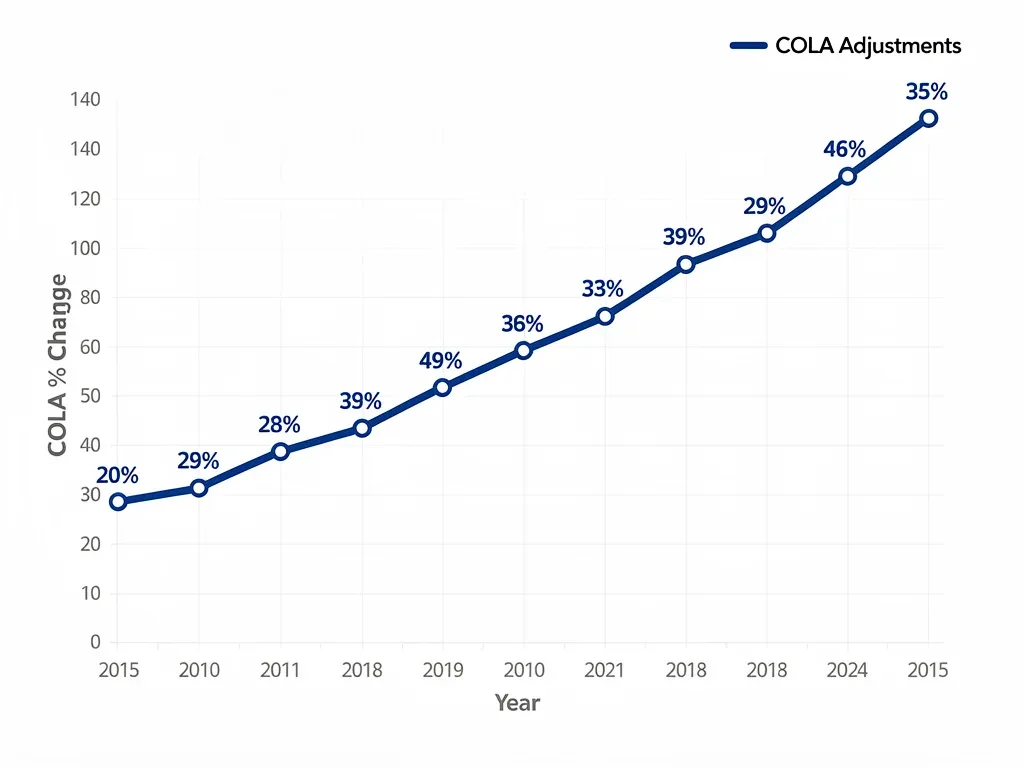
For instance, there have been years with zero COLA, particularly during times of economic downturn when inflation was negligible or negative. Conversely, periods of high inflation, such as the early 1980s, saw double-digit COLA increases, demonstrating the system's ability to adapt to severe economic pressures.
Notable COLA Adjustments Over Time
- 1970s-1980s: Often saw high COLA percentages due to significant inflation.
- Early 2000s: More moderate adjustments reflecting stable economic growth.
- 2009, 2010, 2011, 2016: Years with no COLA due to low or negative inflation.
This historical perspective underscores the importance of the 2.8% adjustment as a response to current economic conditions. It positions the present increase within a broader narrative of economic adaptation and the ongoing commitment to protecting beneficiaries' purchasing power.

Economic Factors Influencing the 2.8% COLA
Several economic factors converge to determine the annual COLA. The 2.8% adjustment is a direct consequence of specific economic indicators and trends observed over the past year. Understanding these factors is crucial for comprehending why the adjustment is what it is and what it signifies for the broader economy.
The primary driver, as mentioned, is inflation, specifically as measured by the CPI-W. However, other economic forces indirectly contribute to this figure, including wage growth, consumer spending patterns, and global economic shifts. These elements collectively shape the inflationary environment that the COLA aims to counteract.
Key Economic Indicators
While the CPI-W is the direct measure, other economic indicators provide context:
- Energy Prices: Fluctuations in oil and gas can significantly impact the CPI-W.
- Food Costs: Changes in food prices are a major component of household budgets.
- Housing Expenses: Rent and homeownership costs also play a role in overall inflation.
The 2.8% COLA suggests a period where these essential costs have seen a notable, but not excessive, increase. It reflects a balancing act where the economy is growing, but inflation remains a concern, requiring adjustments to maintain financial equity for beneficiaries.
Analyzing these economic factors helps us appreciate the intricate calculations behind the COLA and its role in stabilizing the financial lives of millions. The adjustment serves as an economic barometer, indicating prevailing inflationary pressures and the necessary governmental response.
Preparing for the New Adjustment
With the 2.8% COLA adjustment confirmed, beneficiaries should take proactive steps to understand how this change will affect their personal finances. While the increase is generally positive, it's essential to consider its implications for budgeting, taxes, and other financial planning aspects.
Beneficiaries typically receive official notification from the Social Security Administration outlining their new benefit amount. It's advisable to review these statements carefully and update personal financial records accordingly. This preparation ensures a smooth transition into the new benefit year.
Financial Planning Tips for Beneficiaries
- Review your budget: Adjust spending plans to account for the increased income.
- Check tax implications: Higher income could potentially impact tax liability, though for many, Social Security benefits are not fully taxable.
- Monitor other benefits: Some other government benefits may be affected by an increase in Social Security income.
This proactive approach allows beneficiaries to maximize the positive impact of the COLA adjustment. Understanding the details and planning ahead can help ensure that the increased benefits translate into improved financial stability and peace of mind.

The adjustment is designed to provide relief, and by taking these steps, beneficiaries can effectively integrate the new payment into their financial strategy. It's a chance to reassess and optimize personal financial health in light of updated benefits.
Future Outlook and Long-Term Implications
The 2.8% COLA adjustment, while important for the immediate future, also prompts consideration of the long-term outlook for Social Security and future adjustments. The sustainability of the program and its ability to continue providing meaningful COLA increases are subjects of ongoing discussion and analysis.
Future COLA adjustments will continue to be tied to economic performance and inflationary trends. As the economy evolves, so too will the challenges and opportunities for maintaining the purchasing power of Social Security benefits. Policymakers and experts regularly evaluate these dynamics.
Considerations for the Future
- Inflationary Pressures: Continued monitoring of consumer price indices will dictate future adjustments.
- Program Solvency: Discussions around the long-term financial health of Social Security remain pertinent.
- Demographic Changes: The aging population and workforce dynamics will influence future funding and benefit levels.
The 2.8% COLA is a current reflection of these complex factors. It highlights the system's adaptive nature while also reminding us of the continuous need for vigilance and thoughtful policy-making to ensure Social Security remains a robust safety net for generations to come.
The ongoing dialogue about Social Security's future is vital. Each COLA adjustment, including this 2.8% increase, serves as a point of reference for evaluating the program's effectiveness and its capacity to meet the needs of beneficiaries in an ever-changing economic environment.
| Key Point | Brief Description |
|---|---|
| COLA Percentage | Confirmed at 2.8% for Social Security and SSI beneficiaries. |
| Calculation Basis | Determined by the Consumer Price Index for Urban Wage Earners and Clerical Workers (CPI-W). |
| Beneficiary Impact | Millions of retirees, survivors, and disabled individuals will see increased monthly payments. |
| Economic Significance | Aims to preserve purchasing power against inflation and reflects current economic conditions. |
Frequently Asked Questions About the 2.8% COLA
What does the 2.8% COLA adjustment mean for my Social Security benefits?▼The 2.8% COLA means your monthly Social Security and Supplemental Security Income (SSI) payments will increase by 2.8% starting next year. This adjustment helps your benefits keep pace with the rising cost of living.
When will I see the 2.8% COLA increase in my payments?▼Social Security beneficiaries typically see the new COLA-adjusted payments beginning in January of the upcoming year. SSI recipients usually receive their increased payments starting on December 31st of the current year.
How is the COLA percentage determined by the Social Security Administration?▼The COLA is determined by the increase in the Consumer Price Index for Urban Wage Earners and Clerical Workers (CPI-W) from the third quarter of the previous year to the third quarter of the current year. If there's an increase, it's applied.
Will this COLA adjustment affect my Medicare premiums?▼Yes, Medicare Part B premiums are often deducted directly from Social Security benefits. An increase in your Social Security payment due to COLA might be partially offset by potential increases in Medicare premiums, depending on annual Medicare announcements.
Is the 2.8% COLA adjustment taxable?▼Whether your Social Security benefits, including the COLA increase, are taxable depends on your total income. Many beneficiaries do not pay taxes on their benefits, but those with higher combined incomes might find a portion of their benefits subject to federal income tax.
Conclusion
The confirmation of a 2.8% Cost-of-Living Adjustment by the Social Security Administration represents a vital and timely measure to support millions of beneficiaries nationwide. This adjustment, rooted in economic data, aims to safeguard the purchasing power of retirees, survivors, and individuals with disabilities against the persistent challenges of inflation. It underscores the adaptive nature of the Social Security system, designed to respond to economic shifts and provide a crucial financial anchor for a significant portion of the American population. As beneficiaries prepare for these changes, understanding the implications and planning accordingly will be key to maximizing the positive impact of this adjustment on their financial well-being. The 2.8% COLA is more than just a number; it's a reflection of ongoing efforts to ensure the continued stability and relevance of a program central to the financial security of countless Americans.
