Low-Impact Longevity: Zone 2 Cardio for Health
Advertisements
Thirty minutes of Zone 2 cardio, performed three times weekly, offers a foundational and highly effective approach to enhancing mitochondrial health, metabolic efficiency, and promoting long-term longevity over strenuous, high-intensity exercise regimens.
In the pursuit of enduring health and vitality, the adage "more is better" often leads many down a path of extreme workouts, believing that only intense exertion yields significant results. However, a growing body of scientific evidence suggests that a more sustainable and equally, if not more, effective strategy lies in low-impact longevity: why 30 minutes of Zone 2 cardio 3 times weekly outperforms extreme workouts. This approach focuses on optimizing physiological systems rather than merely pushing them to their limits.
Understanding Zone 2 Cardio for Optimal Health
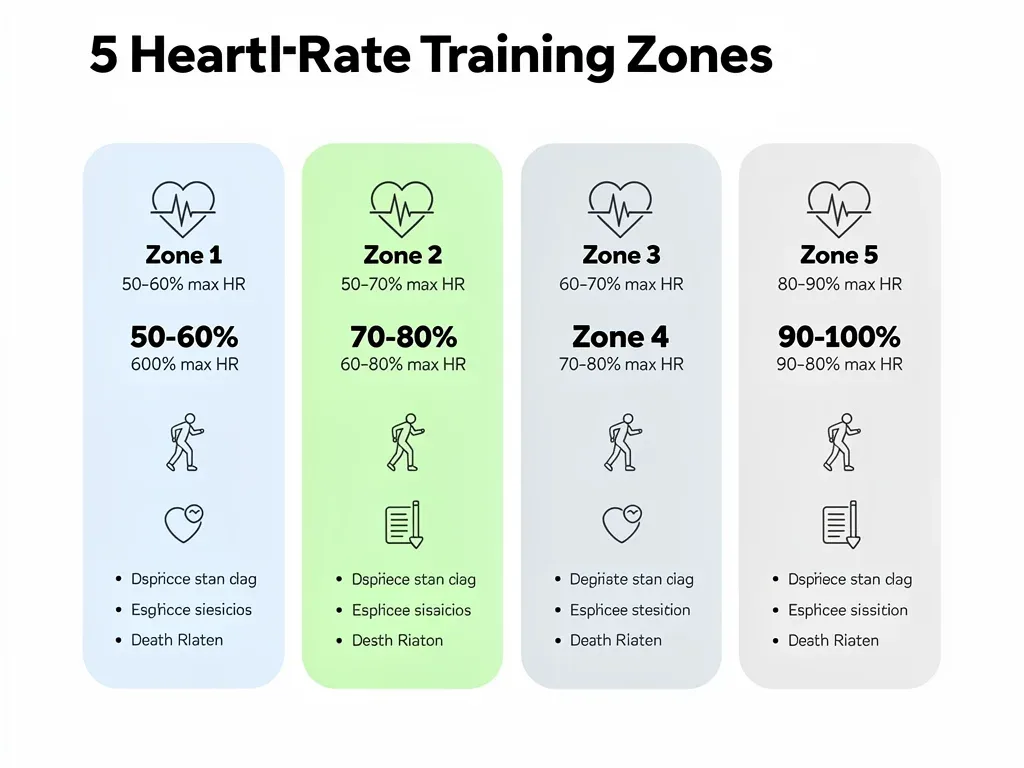
Zone 2 cardio represents a moderate intensity level of aerobic exercise, typically achieved when your heart rate is between 60% and 70% of your maximum heart rate. This zone is often described as the pace at which you can comfortably hold a conversation, but not sing. It's a sweet spot for developing aerobic capacity and enhancing metabolic health without placing undue stress on the body.
Many people mistakenly believe that only high-intensity interval training (HIIT) or prolonged, grueling workouts deliver true fitness benefits. While HIIT has its place, it’s not the sole, nor always the best, path to longevity. Zone 2 training, by contrast, targets specific physiological adaptations crucial for long-term health and disease prevention, making it a cornerstone for sustainable fitness.
Defining Your Zone 2
Accurately identifying your Zone 2 is critical for effective training. While heart rate monitors provide precise data, perceived exertion can also be a reliable indicator. The goal is to find a pace that feels challenging but sustainable for extended periods.
- Heart Rate Calculation: A common estimation is (220 - your age) * 0.60 to 0.70. For example, a 40-year-old would aim for a heart rate between 108-126 beats per minute.
- Talk Test: You should be able to speak in full sentences, but it should require a slight effort. If you can sing, you're likely in Zone 1. If you can only utter a few words, you're probably in Zone 3 or higher.
- Breathing Pattern: Your breathing should be noticeably deeper and faster than at rest, but not labored or gasping.
Understanding and consistently hitting your Zone 2 ensures that you are effectively stimulating the physiological processes that contribute most to longevity. This precise targeting of effort is what distinguishes Zone 2 training from merely "going for a walk" or "running hard."
In essence, Zone 2 cardio is about working smarter, not necessarily harder. It's a deliberate and strategic effort to optimize your body's energy systems, laying a robust foundation for health and preventing the burnout often associated with extreme exercise regimens. This foundational work is invaluable for anyone committed to a long, healthy life.
The Mitochondrial Powerhouse: Why Zone 2 Matters
At the heart of Zone 2 cardio's effectiveness lies its profound impact on mitochondrial function. Mitochondria are often called the powerhouses of our cells, responsible for generating adenosine triphosphate (ATP), the primary energy currency of the body. Healthy, efficient mitochondria are fundamental to overall health, energy levels, and disease resistance.
When you exercise in Zone 2, your body primarily uses fat as fuel. This process, known as fat oxidation, is heavily reliant on mitochondrial activity. Consistent Zone 2 training stimulates the growth of new mitochondria (mitochondrial biogenesis) and improves the efficiency of existing ones. This enhancement is a key driver of improved metabolic health.
Extreme workouts, while effective for certain goals like strength or anaerobic capacity, often bypass this mitochondrial training effect. High-intensity exercise relies more on carbohydrates for fuel, and while it can improve cardiovascular fitness, it doesn't offer the same targeted mitochondrial benefits as Zone 2. This distinction is crucial for understanding the longevity advantages.
Mitochondrial Health and Aging
Mitochondrial dysfunction is increasingly recognized as a hallmark of aging and a contributor to various chronic diseases, including type 2 diabetes, cardiovascular disease, and neurodegenerative conditions. By actively enhancing mitochondrial health through Zone 2 training, we are directly addressing one of the root causes of age-related decline.
- Increased ATP Production: More efficient mitochondria mean more energy for all cellular processes, leading to better overall function.
- Improved Metabolic Flexibility: The ability to efficiently switch between burning fat and carbohydrates for fuel is a sign of good metabolic health, fostered by Zone 2 training.
- Reduced Oxidative Stress: Healthy mitochondria produce fewer harmful byproducts, contributing to less cellular damage and inflammation.
The cumulative effect of improved mitochondrial health is a body that functions more efficiently, resists disease more effectively, and ages more gracefully. This deep cellular benefit is a core reason why Zone 2 cardio is an indispensable tool for anyone serious about low-impact longevity.
Therefore, focusing on Zone 2 isn't just about feeling good during a workout; it's about investing in the fundamental cellular machinery that underpins every aspect of your health and well-being for decades to come. It’s a strategic choice for a longer, healthy life.
Metabolic Flexibility and Disease Prevention
One of the most significant benefits of consistent Zone 2 cardio is the enhancement of metabolic flexibility. This term refers to your body's ability to efficiently switch between using different fuel sources—primarily carbohydrates and fats—depending on availability and demand. A metabolically flexible individual can readily burn fat for energy during rest or low-intensity activity and switch to carbohydrates during higher-intensity efforts.
In contrast, metabolic inflexibility, often seen in sedentary individuals or those with conditions like insulin resistance, means the body struggles to burn fat efficiently, relying predominantly on carbohydrates. This can lead to a host of health problems, including weight gain, fatigue, and an increased risk of chronic diseases.
Zone 2 training specifically targets the fat-burning pathways, training your body to become more efficient at utilizing fat for fuel. This improves insulin sensitivity, helps regulate blood sugar levels, and reduces the accumulation of visceral fat, all critical factors in preventing metabolic syndrome and type 2 diabetes.
Beyond Blood Sugar Regulation
The impact of metabolic flexibility extends far beyond just blood sugar. It influences nearly every physiological system:
- Cardiovascular Health: Improved fat oxidation reduces circulating triglycerides and promotes healthier cholesterol profiles.
- Brain Health: A steady supply of energy, even when carbohydrate stores are low, supports cognitive function and may protect against neurodegenerative diseases.
- Energy Levels: By efficiently tapping into vast fat reserves, metabolically flexible individuals often experience more stable and sustained energy throughout the day, avoiding energy crashes.
This comprehensive improvement in metabolic health directly translates to a reduced risk of many age-related diseases. While extreme workouts can improve cardiovascular fitness, they don't necessarily optimize metabolic flexibility in the same targeted way as Zone 2 training. The constant stress of high-intensity exercise can even, in some cases, lead to hormonal imbalances that counteract metabolic benefits.
Ultimately, by cultivating metabolic flexibility through regular Zone 2 cardio, you are building a resilient physiological system capable of adapting to various energy demands and resisting the onset of common chronic illnesses. This makes it an indispensable practice for anyone aiming for true low-impact longevity.
Sustainability and Reduced Injury Risk
One of the often-overlooked advantages of Zone 2 cardio, especially for long-term health, is its inherent sustainability and significantly lower risk of injury. Extreme workouts, by their very nature, push the body to its limits, often leading to overuse injuries, burnout, and sometimes even adverse cardiovascular events if not properly managed.
The moderate intensity of Zone 2 allows for consistent training without the same level of physical stress. This means you can perform these workouts regularly, three times a week as recommended, without needing extensive recovery periods or risking the wear and tear on joints, muscles, and ligaments that high-intensity activities can cause. This makes it an ideal strategy for individuals of all ages and fitness levels, particularly as we age.
For many, the appeal of extreme workouts is the quick results and the feeling of having “conquered” a challenge. However, this often comes at a cost. The body is an intricate system, and consistent, gentle stress (like Zone 2) often yields more profound and lasting adaptations than sporadic, intense bursts.

Long-Term Adherence and Psychological Benefits
Beyond physical injury, extreme workouts can also lead to psychological burnout. The constant pressure to perform at peak levels can be exhausting and demotivating, making long-term adherence difficult. Zone 2 cardio, on the other hand, is often described as enjoyable and meditative.
- Reduced Stress: The lower intensity helps to reduce physiological stress, promoting relaxation rather than exacerbating it.
- Greater Consistency: Because it's less taxing, individuals are more likely to stick with Zone 2 routines over months and years, leading to cumulative benefits.
- Improved Mood: Regular moderate exercise is well-known for its mood-boosting effects, contributing to overall mental well-being alongside physical health.
The ability to consistently engage in physical activity without constant fear of injury or mental exhaustion is paramount for a lifelong commitment to health. Low-impact activities such as brisk walking, cycling, swimming, or elliptical training in Zone 2 provide all the benefits without the associated risks, making them a cornerstone of a sustainable longevity plan.
Therefore, embracing Zone 2 cardio isn't just a choice for physical health; it's a choice for mental resilience and a sustainable, injury-free fitness journey. This gentle yet powerful approach ensures you can maintain an active lifestyle well into your later years, truly embodying low-impact longevity.
Integrating Zone 2 into Your Weekly Routine
The beauty of Zone 2 cardio is its accessibility and ease of integration into almost any lifestyle. You don't need specialized equipment or a gym membership, though both can certainly enhance the experience. The key is consistency and adherence to the intensity guidelines. Thirty minutes, three times a week, is a highly effective starting point that can yield significant benefits.
Consider replacing one or two higher-intensity sessions with a dedicated Zone 2 workout, or simply add these sessions to your existing routine. The goal is not to eliminate other forms of exercise but to ensure that your foundational aerobic capacity is being adequately developed.
For those new to exercise, starting with shorter durations and gradually increasing to 30 minutes is a sensible approach. Even 20 minutes of consistent Zone 2 work can begin to elicit positive adaptations. The most important aspect is making it a regular, non-negotiable part of your week.
Practical Zone 2 Activities
Many common activities can be excellent Zone 2 workouts. The key is to monitor your heart rate or perceived exertion to ensure you stay within the target zone. Some popular and effective options include:
- Brisk Walking: A power walk where you feel slightly breathless but can still converse.
- Cycling: A steady pace on a stationary bike or outdoors, maintaining a consistent effort.
- Swimming: Laps at a moderate, comfortable pace.
- Elliptical Training: A consistent, rhythmic motion that engages both upper and lower body.
- Hiking: Gentle to moderate inclines at a steady pace.
Varying your activities can help prevent boredom and engage different muscle groups, further enhancing overall fitness. The important takeaway is that Zone 2 cardio doesn't have to be complicated or require extreme measures. It's about finding enjoyable activities that you can sustain for the recommended duration at the correct intensity.
By consciously scheduling and prioritizing these low-impact sessions, you are building a powerful habit that supports your health for the long haul. Integrating Zone 2 into your routine is a proactive step towards a more energetic and disease-resistant future, making low-impact longevity an achievable reality.
The Pitfalls of Extreme Workouts for Longevity
While high-intensity and extreme workouts have their place in athletic training and certain fitness goals, relying solely on them for longevity can be counterproductive and even detrimental. The body is designed to handle stress, but chronic, excessive stress without adequate recovery can lead to a cascade of negative physiological responses that undermine long-term health.
Extreme workouts often place immense strain on the musculoskeletal system, increasing the risk of injuries such as stress fractures, tendonitis, and muscle tears. These injuries can lead to prolonged downtime, reduce overall activity levels, and may even require medical intervention, directly hindering a consistent fitness journey. Furthermore, the hormonal response to extreme stress can be problematic.
Constantly pushing the body to its anaerobic limits can lead to elevated cortisol levels, chronic inflammation, and impaired immune function. While short bursts of high-intensity exercise can be beneficial, a sustained regimen of extreme training without proper periodization and recovery can exhaust the adrenal glands and contribute to overtraining syndrome, manifesting as persistent fatigue, poor sleep, and decreased performance.
Long-Term Health Implications
The long-term effects of chronic extreme workouts can include:
- Cardiovascular Overload: While high-intensity training can strengthen the heart, excessive and prolonged extreme efforts can, for some individuals, lead to cardiac remodeling that is not always beneficial, such as myocardial fibrosis.
- Hormonal Imbalance: Chronic stress from overtraining can disrupt the delicate balance of hormones, affecting everything from metabolism to reproductive health.
- Immune Suppression: The body’s immune system can be temporarily suppressed after intense exercise, making individuals more susceptible to illness.
- Mental Fatigue and Burnout: The psychological toll of constantly pushing limits can lead to a loss of motivation and enjoyment in exercise.
It's crucial to understand that the benefits of exercise are dose-dependent, and there is a point of diminishing returns, and even harm, when intensity and volume become excessive. For the average person seeking to optimize health and longevity, the risks associated with extreme workouts often outweigh the marginal additional benefits they might provide over a balanced approach that includes Zone 2 cardio.
Therefore, while extreme workouts might offer a quick thrill or a sense of accomplishment, they are not the most effective or sustainable strategy for low-impact longevity. A more nuanced approach that prioritizes consistency, recovery, and targeted physiological adaptations is far more prudent for lifelong health.

The Synergistic Benefits of a Balanced Approach
While the focus here is on the unparalleled benefits of Zone 2 cardio for longevity, it's important to recognize that a truly optimal fitness regimen is often multifaceted. Zone 2 cardio forms the crucial foundation, but it can be synergistically combined with other forms of exercise to create a comprehensive program that addresses all aspects of fitness and health.
Strength training, for instance, is vital for maintaining muscle mass, bone density, and overall functional strength, all of which are critical for healthy aging. Flexibility and balance exercises, such as yoga or tai chi, improve joint mobility, reduce fall risk, and enhance proprioception. The key is to integrate these different modalities thoughtfully, ensuring they complement rather than detract from each other.
The beauty of a balanced approach is that the increased aerobic capacity and metabolic efficiency gained from Zone 2 training can actually enhance performance in other areas. A stronger aerobic base allows for better recovery from strength training sessions and improves overall endurance, making all forms of exercise more effective and enjoyable.
Crafting Your Personalized Longevity Plan
Creating a balanced exercise plan involves understanding your body's needs and your personal goals. Here’s how different components can work together:
- Zone 2 Cardio (3x/week, 30 mins): The non-negotiable foundation for mitochondrial health and metabolic flexibility.
- Strength Training (2-3x/week): Focus on compound movements to build and maintain muscle mass.
- Flexibility/Balance (Daily or 3-4x/week): Incorporate stretching, yoga, or balance drills.
- High-Intensity Intervals (Optional, 1x/week): If desired, short, controlled bursts of HIIT can be added for anaerobic capacity, but with careful monitoring and recovery.
The emphasis should always be on listening to your body and prioritizing recovery. A well-rounded approach ensures that you are not only improving your cardiovascular system but also maintaining muscle, protecting bones, and enhancing overall functional movement. This holistic view is what truly defines a strategy for low-impact longevity.
By thoughtfully combining Zone 2 cardio with other forms of exercise, you build a resilient, adaptable, and healthy body that is equipped to thrive for decades. This integrated strategy is the ultimate blueprint for a long and vibrant life, far surpassing the benefits of any single, extreme workout regimen.
| Key Aspect | Description of Benefit |
|---|---|
| Mitochondrial Health | Zone 2 cardio significantly boosts mitochondrial biogenesis and efficiency, crucial for cellular energy production and anti-aging. |
| Metabolic Flexibility | Enhances the body's ability to switch efficiently between burning fat and carbohydrates, improving insulin sensitivity and disease prevention. |
| Sustainability & Safety | Low-impact nature reduces injury risk and promotes consistent long-term adherence, avoiding burnout from extreme workouts. |
| Longevity Benefits | Directly contributes to reduced risk of chronic diseases, better energy levels, and overall healthier aging. |
Frequently Asked Questions About Zone 2 Cardio
What is the primary benefit of Zone 2 cardio for longevity?▼The primary benefit of Zone 2 cardio for longevity is its ability to significantly improve mitochondrial function and metabolic flexibility. This enhances the body's energy production efficiency and its capacity to utilize fat for fuel, which are crucial for preventing age-related diseases and maintaining vitality over time.
How do I accurately determine my Zone 2 heart rate?▼You can estimate your Zone 2 heart rate by calculating 60% to 70% of your maximum heart rate (220 minus your age). Alternatively, use the 'talk test': you should be able to hold a conversation but not sing, indicating a moderate, sustainable effort without being overly strenuous.
Why is Zone 2 cardio preferred over extreme workouts for long-term health?▼Zone 2 cardio is preferred for long-term health due to its lower injury risk, greater sustainability, and specific benefits for mitochondrial health and metabolic flexibility. Extreme workouts, while effective for certain goals, can lead to burnout, overuse injuries, and chronic stress if not managed carefully, potentially hindering longevity.
What types of activities are suitable for Zone 2 training?▼Suitable activities for Zone 2 training include brisk walking, steady-state cycling (stationary or outdoor), swimming at a moderate pace, elliptical training, and gentle hiking. The key is to maintain a consistent effort level that keeps your heart rate within the target Zone 2 range for the duration of the workout.
Can I combine Zone 2 cardio with other exercises like strength training?▼Absolutely. A balanced fitness regimen that includes Zone 2 cardio, strength training, and flexibility exercises is ideal for holistic health and longevity. Zone 2 provides the aerobic base, while strength training maintains muscle mass, and flexibility improves mobility, creating a comprehensive approach to well-being.
Conclusion: Embracing a Smarter Path to Lasting Health
The quest for a long, healthy life doesn't always demand extreme measures. As we've explored, the consistent practice of low-impact longevity: why 30 minutes of Zone 2 cardio 3 times weekly outperforms extreme workouts offers a powerful, sustainable, and scientifically supported pathway to enhanced vitality. By prioritizing mitochondrial health, metabolic flexibility, and injury prevention, Zone 2 training provides a foundational strategy that supports every facet of your well-being. It's not about pushing to the brink, but rather about optimizing your body's innate capabilities for endurance and resilience. This balanced and mindful approach ensures that your fitness journey is not only effective but also enjoyable and sustainable for decades to come, allowing you to truly thrive.
