Biophilic Living Guide: Boost Mood in 20 Minutes Daily
Advertisements
A 20-minute biophilic living guide offers practical strategies to integrate five natural elements indoors, significantly enhancing mood, reducing stress, and fostering a deeper connection with nature for improved daily well-being.
Have you ever noticed how a walk in the park or a moment by the ocean instantly lifts your spirits? This inherent human connection to nature is at the heart of biophilia. This biophilic living guide will show you how just 20 minutes a day can transform your indoor environment, integrating five natural elements to dramatically boost your mood and overall well-being.
Understanding Biophilia: Your Innate Connection to Nature
Biophilia, a term popularized by E.O. Wilson, describes the innate human tendency to connect with nature and other living systems. It suggests that our evolutionary history has hardwired us to thrive in natural environments, and when we are deprived of this connection, our well-being can suffer. Integrating biophilic principles into our daily lives, especially within our homes, can counteract the stresses of modern living and foster a sense of calm and vitality.
The modern world often keeps us disconnected from the natural world, leading to increased stress, anxiety, and a feeling of detachment. Recognizing and actively cultivating our biophilic tendencies can be a powerful tool for improving mental and physical health. It's not about escaping to the wilderness, but rather bringing the essence of that wilderness into our everyday spaces.
The Science Behind Nature's Healing Power
Research consistently demonstrates the profound impact of nature on human health. Studies show that even brief exposure to natural elements can reduce cortisol levels, lower blood pressure, and improve cognitive function. This isn't just anecdotal; it's a measurable physiological response.
- Stress Reduction: Green spaces and natural views decrease psychological stress.
- Improved Focus: Exposure to nature can restore attention and reduce mental fatigue.
- Enhanced Mood: Natural light and plant presence are linked to increased happiness.
- Physical Health Benefits: Spending time in nature can boost immunity and encourage activity.
By understanding these foundational principles, we can begin to intentionally design our indoor spaces to harness these benefits. The goal is to create environments that nourish our innate need for nature, making our homes not just places to live, but sanctuaries for well-being.
In essence, embracing biophilia means acknowledging that we are part of nature, not separate from it. By consciously weaving natural elements into our indoor lives, we tap into a deep-seated wellspring of peace and rejuvenation, making our homes more harmonious and our lives more balanced.
Element 1: Harnessing Natural Light for Vitality
Natural light is arguably the most fundamental biophilic element, essential for regulating our circadian rhythms, boosting mood, and enhancing overall vitality. Its dynamic quality, changing throughout the day, provides a subtle yet powerful connection to the outside world, preventing the monotony often associated with artificial lighting. Maximizing natural light in your home can profoundly impact your energy levels and emotional state.
Many modern homes, particularly in urban settings, can feel dim and enclosed. By strategically optimizing natural light, even small changes can make a significant difference. Think about how light enters your rooms and what might be obstructing its path. This simple awareness is the first step towards a brighter, more invigorating living space.
Strategies for Maximizing Daylight Indoors
Even if you don't have floor-to-ceiling windows, there are numerous ways to invite more natural light into your home. The key is to understand how light moves through your space and to remove any barriers that prevent it from reaching deeper into rooms.
- Clear Window Obstructions: Remove heavy curtains, blinds, or furniture that block light. Opt for sheer fabrics or open blinds during the day.
- Strategic Mirror Placement: Position mirrors opposite windows to reflect and amplify natural light, making rooms feel larger and brighter.
- Light-Colored Decor: Use lighter paint colors on walls and ceilings, and choose furniture and decor in lighter shades that reflect light rather than absorbing it.
- Clean Windows Regularly: Dirt and grime can significantly reduce the amount of light entering your home.
Beyond these practical tips, consider how different times of day affect light quality. Morning light can be energizing, while afternoon light can be warm and calming. Allowing these natural shifts to occur indoors reinforces our connection to the daily cycle of the sun.
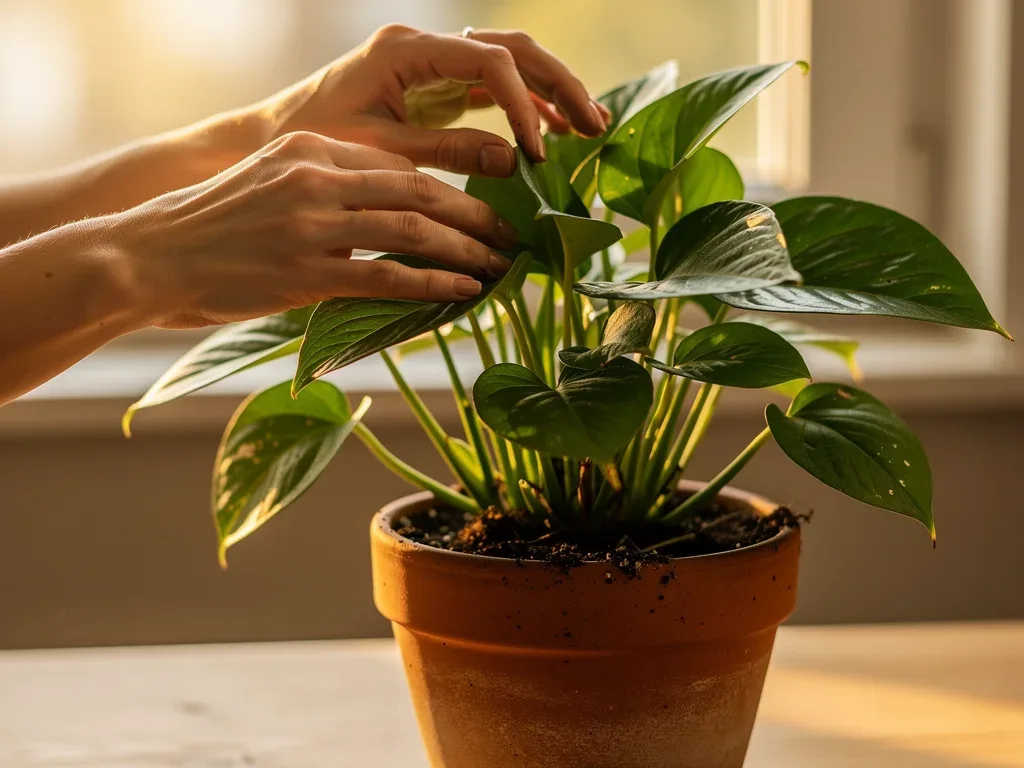
Making the most of natural light isn't just about brightness; it's about creating a dynamic and stimulating environment that supports our natural biological rhythms. A well-lit space feels more open, inviting, and conducive to a positive mindset, contributing significantly to the benefits of a biophilic living guide.
Element 2: Integrating Indoor Plants for Air and Aesthetics
Bringing living plants into your indoor environment is perhaps the most direct and visually appealing way to embrace biophilia. Plants not only add a touch of natural beauty but also offer tangible benefits to air quality and psychological well-being. Their presence creates a micro-ecosystem within your home, fostering a sense of calm and connection to the natural world.
Choosing the right plants for your space is crucial. Consider factors like light availability, humidity, and the amount of care you're willing to provide. Even a few well-chosen plants can make a significant impact, transforming a sterile room into a vibrant, living space.
Choosing and Caring for Your Green Companions
Selecting plants that thrive indoors and complement your lifestyle is key to a successful biophilic integration. There's a plant for every level of experience, from beginner-friendly options to those requiring more dedicated attention.
- Low-Maintenance Options: Snake plants, ZZ plants, Pothos, and Spider Plants are resilient and require minimal care, perfect for busy individuals.
- Air-Purifying Powerhouses: Peace Lilies, Boston Ferns, and Areca Palms are known for their ability to filter indoor air pollutants.
- Consider Light Needs: Match plants to the light conditions of your rooms. Some prefer bright, indirect light, while others tolerate low-light environments.
- Routine Care: Establish a simple watering schedule, provide adequate drainage, and occasionally dust leaves to keep them healthy and vibrant.
Beyond their aesthetic appeal, plants actively contribute to a healthier indoor environment. They release oxygen, absorb carbon dioxide, and can even remove certain toxins from the air, making your home a more pleasant place to breathe and relax.
The act of caring for plants itself can be a meditative and grounding experience, further enhancing the mood-boosting effects. Watching them grow and flourish provides a sense of accomplishment and a direct connection to the life cycle, making them an indispensable part of any biophilic living guide.

Element 3: Incorporating Natural Materials and Textures
Beyond living elements, the tactile and visual presence of natural materials plays a vital role in creating a biophilic environment. Wood, stone, cotton, linen, and wool evoke a sense of authenticity and connection to the earth, grounding our indoor spaces and enriching our sensory experience. These materials bring warmth, texture, and an organic feel that synthetic alternatives often lack.
Consider the surfaces you touch and see every day. Are they cold and artificial, or do they offer the comforting embrace of natural textures? Introducing natural materials doesn't require a complete overhaul; even small additions can make a noticeable difference in the ambiance of a room.
Bringing Earth's Textures Indoors
Integrating natural materials can be done through various aspects of your home decor, from furniture to smaller decorative items. The goal is to create a multi-sensory experience that reminds us of the outdoors.
- Wooden Furniture: Opt for furniture made from natural wood, showcasing its grain and texture. Reclaimed wood pieces add character and history.
- Stone Accents: Incorporate stone in countertops, decorative bowls, or even small sculptures. The coolness and weight of stone provide a unique tactile experience.
- Natural Textiles: Choose bedding, curtains, and upholstery made from cotton, linen, jute, or wool. These materials are breathable, soft, and visually appealing.
- Woven Elements: Baskets, rugs, and wall hangings made from rattan, bamboo, or seagrass add organic texture and a handcrafted feel.
The beauty of natural materials lies in their imperfections and unique characteristics. Unlike mass-produced items, each piece of wood or stone tells a story, adding depth and personality to your home. These elements contribute to a calming aesthetic, reducing visual clutter and promoting a sense of natural harmony.
By thoughtfully selecting and arranging natural materials, you can create an environment that feels both sophisticated and deeply comforting, reinforcing the principles of a biophilic living guide and fostering a stronger connection to the natural world within your home.
Element 4: Embracing Water Features and Sounds
The presence and sound of water have a universally calming effect, drawing on our primal connection to this life-sustaining element. From the gentle trickle of a stream to the rhythmic crash of waves, water in its various forms can reduce stress, improve focus, and create a serene atmosphere. Integrating water features into your home can provide a powerful auditory and visual anchor to nature.
Many of us find solace near bodies of water, and bringing that essence indoors can replicate some of those calming benefits. It's about more than just aesthetics; it's about creating an acoustic environment that soothes the soul and invites contemplation.
Simple Ways to Introduce Water Indoors
You don't need a sprawling pond to enjoy the benefits of water indoors. Even small, discreet features can deliver significant impact on your mood and the ambiance of your space.
- Indoor Fountains: Small tabletop or freestanding fountains create a gentle, continuous trickling sound that masks distracting noises and promotes relaxation.
- Aquariums: Watching fish swim in a well-maintained aquarium can be incredibly meditative, offering both visual interest and a sense of dynamic nature.
- Water-Themed Art: Artwork depicting oceans, rivers, or rain can evoke a sense of peace and connection to water, even without an active water source.
- Humidifiers: While primarily functional, some humidifiers can be chosen for their aesthetic appeal and the subtle visual of mist, indirectly connecting to water's presence.
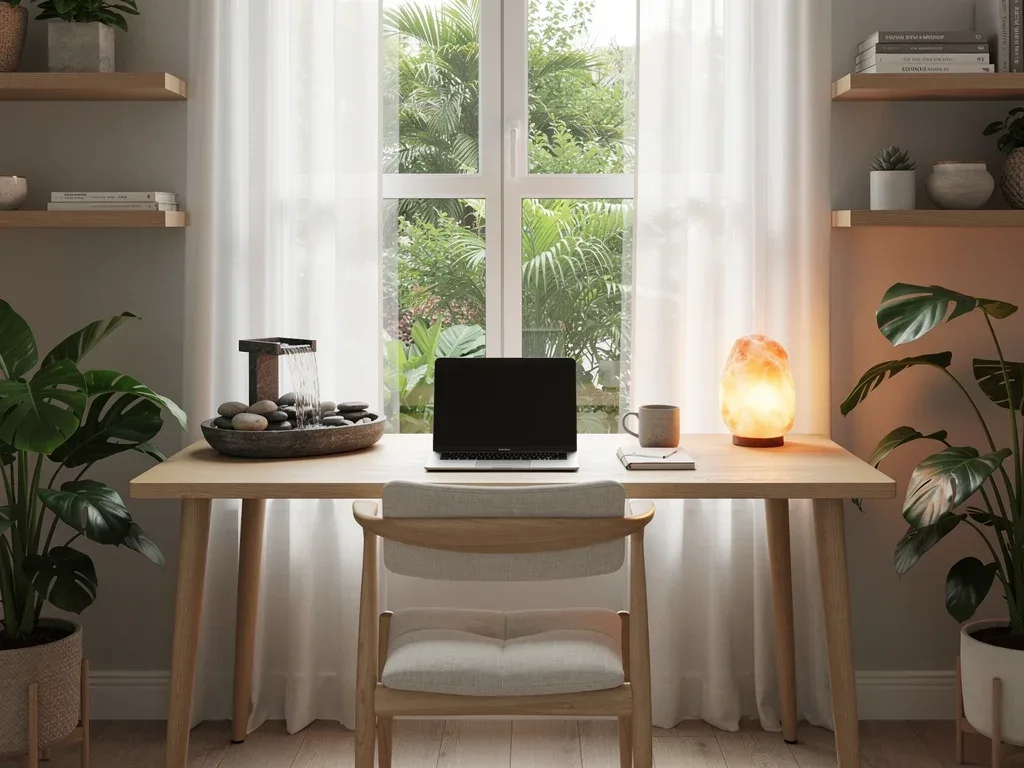
The auditory experience of water is particularly potent. The white noise generated by a fountain can help to mask urban sounds, creating a more private and peaceful environment. Visually, the movement of water is captivating, offering a focal point that encourages mindfulness and reduces mental chatter.
By thoughtfully incorporating water features, you can transform your home into a tranquil oasis, harnessing one of nature's most soothing elements to enhance your mood and deepen your connection to the biophilic principles outlined in this guide.
Element 5: Cultivating Views and Visual Connection to Nature
Our visual connection to the natural world, whether through a window overlooking a garden or carefully curated natural art, is a cornerstone of biophilic design. Having a clear, unobstructed view of natural elements can reduce mental fatigue, improve concentration, and instill a sense of calm. Even if you live in an urban environment, there are ways to create and enhance these vital visual links.
The human eye is drawn to natural patterns and organic forms. When our indoor spaces offer glimpses of nature, our minds feel more at ease, and our spirits are lifted. This element emphasizes making the most of existing views and creating new ones where possible.
Optimizing Your Home's Natural Outlook
Maximize existing views and create new ones by being intentional about how you arrange your space and what you choose to display. Every visual cue can contribute to a stronger biophilic connection.
- Unobstructed Windows: Keep windows clean and free of clutter. Arrange furniture to face windows that offer pleasant natural views.
- Create a Window Garden: If your view isn't ideal, create your own. Place potted plants, herbs, or small terrariums on your windowsill to establish a miniature natural scene.
- Nature-Inspired Art: Hang landscape paintings, botanical prints, or photographs of natural scenes. Choose art that evokes a sense of peace and wonder.
- Biomorphic Forms and Patterns: Incorporate decor with organic shapes, curves, and patterns found in nature. Think about ripple patterns, fractal designs, or branching structures.
Even in apartments with limited outdoor access, creative solutions like vertical gardens or carefully placed mirrors can amplify the perception of nature. The goal is to consistently provide visual cues that remind us of the beauty and complexity of the natural world.
Cultivating strong visual connections to nature ensures that your indoor environment is not only aesthetically pleasing but also psychologically nourishing. This integral aspect of the biophilic living guide helps to bridge the gap between our built environments and the natural world, fostering a continuous sense of peace and well-being.
Your 20-Minute Daily Biophilic Practice
Implementing biophilic design doesn't require a complete home renovation or hours of daily effort. The power of this approach lies in its simplicity and consistency. By dedicating just 20 minutes a day to consciously engaging with and enhancing these five natural elements, you can create a profound and lasting positive impact on your mood and overall well-being. This daily practice helps to solidify your connection to nature within your home, making it a habit rather than a chore.
Think of it as a daily ritual, a mindful pause that recharges your spirit. These small, intentional actions accumulate over time, transforming your living space into a sanctuary and improving your mental and emotional resilience.
Structuring Your Daily Biophilic Boost
Here’s a suggested way to integrate your 20-minute biophilic practice, adapting it to your own schedule and preferences. The key is consistency and mindfulness in each action.
- Morning (5 minutes): Open curtains/blinds wide to let in natural light. Spend a moment observing the light and any outdoor views. Water your plants and gently mist their leaves, noticing their vibrant growth.
- Midday (5 minutes): Take a short break near a window or a plant-filled area. Listen to the subtle sounds of your indoor fountain or simply enjoy the quiet presence of your natural materials. Focus on your breathing.
- Afternoon (5 minutes): Rearrange a plant, dust a leaf, or simply touch a wooden surface. Engage with the tactile elements of your natural environment. Consider playing nature sounds softly in the background.
- Evening (5 minutes): Before artificial lights take over, enjoy the fading natural light. Reflect on the natural elements in your home and how they make you feel. Perhaps light a natural beeswax candle to enhance the ambiance.
This structured approach ensures that you are regularly interacting with each biophilic element. The cumulative effect of these small, mindful moments throughout your day will lead to a noticeable improvement in your mood, focus, and overall sense of peace. It's about creating a lifestyle, not just a design trend.
By consistently engaging with this 20-minute biophilic living guide, you're not just decorating your home; you're cultivating a healthier, happier, and more harmonious existence, demonstrating the profound impact that small, intentional connections to nature can have on our daily lives.
| Key Biophilic Element | Brief Description |
|---|---|
| Natural Light | Maximizing daylight indoors regulates circadian rhythms and significantly boosts mood. |
| Indoor Plants | Greenery improves air quality, reduces stress, and adds natural beauty. |
| Natural Materials | Wood, stone, and natural textiles create warmth and tactile connection to nature. |
| Water Features | The sound and sight of water provide calming effects and reduce stress. |
Frequently Asked Questions About Biophilic Living
What exactly is biophilic living?▼Biophilic living is an approach to interior design and lifestyle that incorporates natural elements and processes into built environments. It aims to satisfy our innate human need to connect with nature, promoting psychological and physical well-being through direct and indirect natural experiences within our daily spaces.
How can biophilic design improve my mood?▼Biophilic design improves mood by reducing stress hormones like cortisol, increasing feelings of calm, and enhancing cognitive function. Elements like natural light, plants, and water features can trigger positive emotional responses, decrease anxiety, and foster a greater sense of peace and happiness in daily life.
Do I need a big space to implement biophilic design?▼Absolutely not. Biophilic design can be implemented in spaces of all sizes, from small apartments to large homes. Even a single potted plant, a well-placed mirror to reflect light, or a small tabletop fountain can introduce significant biophilic benefits. The focus is on intentional integration, not square footage.
What are the easiest natural elements to add to my home?▼The easiest elements to add are often indoor plants, as many require minimal care and provide immediate visual and air quality benefits. Maximizing natural light by opening blinds and using sheer curtains is also a quick win. Incorporating natural materials like wooden decor or cotton textiles can also be done effortlessly.
How long until I notice the benefits of biophilic living?▼Many people report feeling more relaxed and uplifted almost immediately after introducing natural elements. Consistent engagement, even for just 20 minutes daily, can lead to noticeable improvements in mood, focus, and overall well-being within a few days or weeks as your environment becomes more attuned to your natural needs.
Conclusion
Embracing a biophilic living guide is more than a design trend; it's a conscious decision to nurture our innate connection to the natural world for improved well-being. By thoughtfully integrating the five key elements—natural light, indoor plants, natural materials, water features, and visual connections to nature—into our daily lives, we can transform our indoor environments into sanctuaries that replenish our spirit and soothe our minds. The beauty of this approach lies in its accessibility: just 20 minutes a day can yield profound benefits, reducing stress, boosting mood, and fostering a deeper sense of harmony within ourselves and our surroundings. Start small, be consistent, and watch as your home becomes a vibrant ecosystem of calm and vitality, truly reflecting the healing power of nature.
