US Federal Budget Deficit Expands: Fiscal Constraints & Monetary Policy
Advertisements
The expanding federal budget deficit poses significant long-term fiscal constraints, directly influencing U.S. monetary policy decisions and potentially affecting the nation's economic stability and future growth trajectory.
The recent announcement that the federal budget deficit has expanded by 6% is more than just a headline; it signals a critical juncture for the U.S. economy. Understanding the interplay between this growing deficit and its implications for long-term fiscal constraints on U.S. monetary policy is essential for anyone interested in the nation's financial future.
Understanding the Federal Budget Deficit Expansion
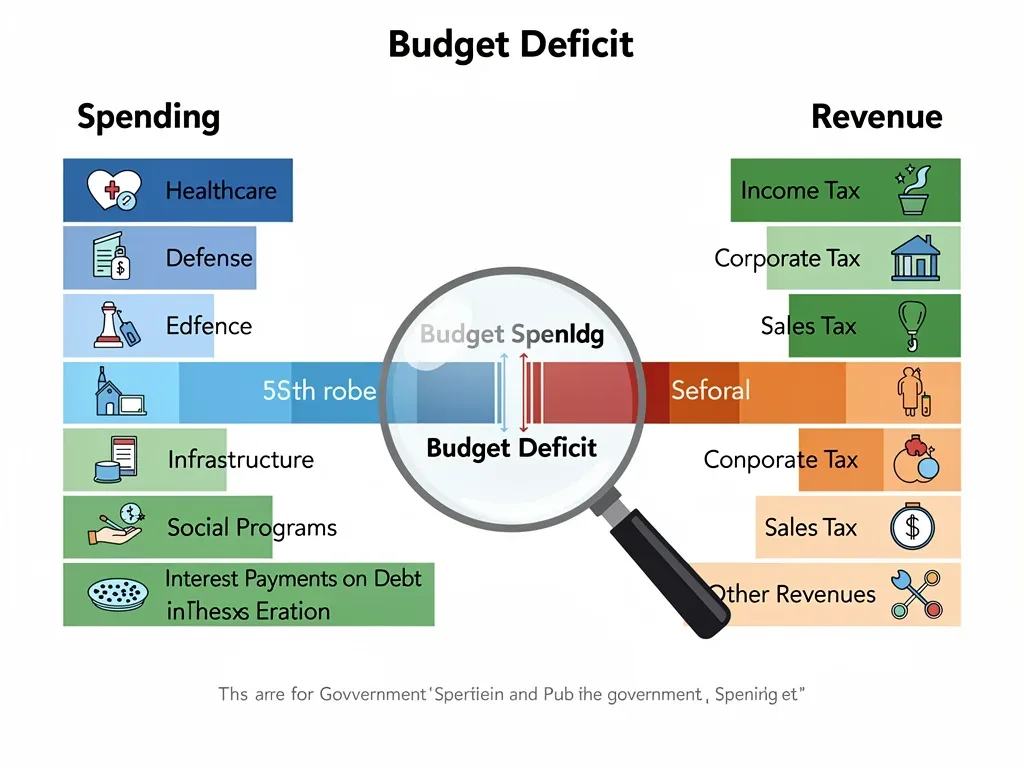
The federal budget deficit represents the difference between the money the U.S. government takes in (revenue) and what it spends (outlays) over a fiscal year. A 6% expansion indicates a significant increase in this imbalance, raising questions about sustainability and economic health.
This expansion is not an isolated event but rather the result of a complex interplay of factors, including tax policies, government spending priorities, and broader economic conditions. Analyzing these components helps us grasp the magnitude of the challenge.
Key drivers of the recent deficit increase
- Tax revenue fluctuations: Economic slowdowns or changes in tax legislation can directly impact the amount of revenue collected by the government.
- Increased government spending: Major infrastructure projects, social programs, or defense expenditures can significantly boost outlays.
- Interest on national debt: As the national debt grows, so does the cost of servicing that debt, which becomes a substantial expenditure itself.
- Automatic stabilizers: During economic downturns, programs like unemployment benefits automatically increase spending, widening the deficit.
The recent 6% expansion highlights that current fiscal trends are pushing the government further into debt, a situation that has profound implications for future economic stability. This trajectory requires careful consideration of both immediate and long-term remedies.
In essence, the growing deficit is a symptom of underlying economic and political choices. Its continued expansion suggests that the current path is unsustainable without significant adjustments to either revenue generation or expenditure control. This reality sets the stage for challenging decisions ahead.
Historical Context of U.S. Fiscal Imbalances
To truly appreciate the current 6% expansion of the federal budget deficit, it's crucial to examine its historical context. The U.S. has experienced periods of both surpluses and significant deficits throughout its history, each driven by unique circumstances.
From wartime expenditures to economic recessions and policy choices, past fiscal imbalances offer valuable lessons. Understanding these historical patterns can help us predict potential future challenges and inform current policy debates.
Major periods of deficit growth
- World Wars: Large-scale military conflicts historically led to massive increases in government spending, financed largely through borrowing.
- Great Recession (2008): Economic downturns necessitate government intervention through stimulus packages and increased social safety net spending, widening deficits.
- Tax cuts and spending increases: Policy decisions that reduce revenue or increase outlays without corresponding cuts elsewhere can lead to deficit expansion.
The current deficit expansion, while significant, is part of a broader historical narrative. However, the persistent nature of recent deficits, even during periods of economic growth, sets it apart from earlier, more cyclical patterns. This structural component makes the current situation particularly challenging.
Looking back, policymakers have often relied on economic growth to alleviate deficit pressures. However, with an aging population and increasing entitlement spending, the traditional approaches may no longer be sufficient. This historical perspective underscores the urgency of addressing today's fiscal challenges proactively.
Impact on National Debt and Future Generations
An expanding federal budget deficit directly contributes to a growing national debt, which is the accumulated sum of all past deficits minus surpluses. This escalating debt burden carries significant implications for future generations, potentially limiting their economic opportunities.
The national debt isn't just a number; it represents a claim on future national income. As it grows, so does the interest payment required to service it, diverting funds that could otherwise be invested in education, infrastructure, or research and development.
Consequences of a rising national debt
- Increased interest payments: A larger debt means more tax dollars go towards paying interest, leaving less for public services.
- Crowding out private investment: Government borrowing can compete with private sector borrowing, potentially raising interest rates and stifling private investment.
- Reduced fiscal flexibility: A high debt-to-GDP ratio can limit the government's ability to respond to future crises or economic downturns.
- Intergenerational equity concerns: Future generations may face higher taxes or reduced government services to pay for today's spending.
The 6% expansion of the federal budget deficit accelerates the growth of the national debt, intensifying these concerns. It implies that without a change in fiscal policy, the financial burden on future Americans will continue to mount, potentially constraining their economic prospects and quality of life.

Addressing this requires a long-term vision and difficult choices. The current trajectory suggests that postponing action only exacerbates the problem, making the eventual adjustments more painful. The conversation about fiscal responsibility must include the profound intergenerational consequences of unchecked debt growth.
Monetary Policy's Role Amidst Fiscal Constraints
The Federal Reserve, as the nation's central bank, plays a crucial role in managing the economy through monetary policy. However, its effectiveness can be significantly constrained by an expanding federal budget deficit and the resulting fiscal imbalances.
When the government runs large deficits, it often relies on borrowing, which can impact interest rates and inflation expectations. The Fed must then navigate a complex landscape where its actions to control inflation or stimulate growth might conflict with the government's fiscal needs.
How fiscal constraints affect monetary policy
- Interest rate pressure: Large government borrowing can push up interest rates, complicating the Fed's efforts to keep borrowing costs low for businesses and consumers.
- Inflationary pressures: If deficits are monetized (effectively printed money), it can lead to inflation, forcing the Fed to tighten monetary policy.
- Reduced policy space: A high national debt can limit the Fed's ability to use unconventional monetary tools during crises, fearing further destabilization.
- Credibility challenges: Persistent fiscal irresponsibility can erode confidence in both fiscal and monetary authorities, impacting market stability.

The 6% expansion of the federal budget deficit adds another layer of complexity to the Fed's mandate. It means the Fed might face increased pressure to keep interest rates low to help finance government debt, potentially at the expense of fighting inflation or maintaining financial stability.
This delicate balance highlights the need for coordination between fiscal and monetary authorities. Without a credible plan to address the deficit, the Fed's job becomes significantly harder, increasing the risk of suboptimal economic outcomes. The interplay between these two powerful forces is critical for the nation's financial health.
Strategies for Addressing the Expanding Deficit
Confronting an expanding federal budget deficit requires a multi-faceted approach involving both spending adjustments and revenue enhancements. There is no single magic bullet; rather, a combination of well-thought-out policies is necessary to achieve fiscal sustainability.
Policymakers must consider the long-term impacts of any proposed solution, balancing economic growth, social equity, and political feasibility. Delaying action only makes the eventual solutions more challenging and potentially more disruptive.
Potential fiscal policy approaches
- Spending cuts: Identifying areas where government expenditures can be reduced without severely impacting essential services or economic growth.
- Tax reforms: Adjusting tax rates, closing loopholes, or broadening the tax base to increase government revenue.
- Entitlement program adjustments: Reforming large programs like Social Security and Medicare to ensure their long-term solvency.
- Economic growth initiatives: Policies that foster robust economic growth can naturally increase tax revenues and alleviate deficit pressures.
The 6% expansion of the federal budget deficit underscores the urgency of implementing these strategies. It signals that incremental changes may no longer be sufficient and that bolder, more comprehensive reforms are needed to steer the nation towards a more sustainable fiscal path.
Successful deficit reduction efforts often involve bipartisan cooperation and a commitment to long-term planning over short-term political gains. The challenge is significant, but the potential rewards of a stable fiscal future are even greater.
Long-Term Economic Implications and Outlook
The continued expansion of the federal budget deficit has profound long-term economic implications, affecting everything from investment and innovation to global competitiveness and living standards. These effects can accumulate over time, shaping the nation's economic trajectory for decades to come.
A persistent deficit can lead to a less dynamic economy, with reduced opportunities for future generations. Understanding these long-term consequences is crucial for advocating for responsible fiscal policies today.
Potential long-term economic effects
- Slower economic growth: High debt can lead to reduced private investment and productivity growth.
- Increased risk of financial crises: Unsustainable debt levels can make an economy more vulnerable to shocks and crises.
- Higher inflation: If deficits are persistently financed by printing money, it can lead to a sustained rise in the general price level.
- Reduced international standing: A nation with a large and growing debt may lose credibility on the global stage, impacting its influence and borrowing costs.
The 6% expansion of the federal budget deficit serves as a stark reminder of these potential long-term risks. It suggests that if current trends continue, the U.S. could face a future characterized by slower growth, increased financial instability, and a diminished capacity to address critical national priorities.
The outlook, however, is not predetermined. Through concerted policy efforts and a commitment to fiscal discipline, the nation can still alter its course. This requires a shared understanding of the challenges and a willingness to make difficult choices for the benefit of future prosperity.
| Key Point | Brief Description |
|---|---|
| Deficit Expansion | The U.S. federal budget deficit recently grew by 6%, signaling increased fiscal imbalance. |
| National Debt Impact | Growing deficits contribute to rising national debt, increasing interest payments and future burdens. |
| Monetary Policy Constraints | Large deficits limit the Federal Reserve's flexibility in managing interest rates and inflation. |
| Long-Term Outlook | Unchecked deficits threaten slower economic growth, increased financial instability, and reduced global standing. |
Frequently Asked Questions About the Federal Budget Deficit
What exactly is the federal budget deficit?▼The federal budget deficit occurs when the U.S. government spends more money than it collects in revenue within a given fiscal year. It represents the annual shortfall between government outlays and income from taxes and other sources.
How does the expanding deficit affect the national debt?▼Each annual budget deficit adds to the national debt, which is the cumulative sum of all past deficits and surpluses. An expanding deficit means the national debt grows faster, increasing the financial burden on the country.
Can the Federal Reserve print money to cover the deficit?▼While the Federal Reserve can increase the money supply, directly printing money to cover deficits can lead to severe inflation, eroding the purchasing power of currency. This is generally avoided due to its destabilizing effects on the economy.
What are the main causes of the recent 6% deficit expansion?▼The recent expansion is attributed to a combination of factors, including changes in tax policy, increased government spending on various programs, and the rising cost of servicing the existing national debt due to higher interest rates.
What are the long-term risks of a persistent budget deficit?▼Long-term risks include slower economic growth due to crowding out private investment, increased vulnerability to financial crises, potential inflationary pressures, and a diminished capacity for the government to respond to future economic challenges effectively.
Conclusion
The 6% expansion of the federal budget deficit is a significant indicator of ongoing fiscal challenges facing the United States. This trend not only adds to the national debt, burdening future generations, but also places considerable constraints on the effectiveness and independence of U.S. monetary policy. Addressing this requires a comprehensive and bipartisan approach, combining thoughtful spending reforms with judicious revenue adjustments. The long-term economic stability and prosperity of the nation depend on a commitment to fiscal responsibility and a clear understanding of the intricate relationship between government spending, debt, and monetary policy. Ignoring these fiscal realities risks a future of slower growth and increased economic vulnerability.
