Modern Meal Prep Mastery: Reclaim 6 Hours for Family Time Weekly
Advertisements
Achieving modern meal prep mastery with just three weekly batch cooking sessions allows families to reclaim over six hours, fostering more quality time together and reducing daily stress around food preparation.
In today's fast-paced world, finding quality time with family often feels like an elusive dream, especially when daily routines are consumed by work, school, and endless chores. One of the biggest time sinks for many households is meal preparation. But what if there was a way to drastically cut down on daily cooking without sacrificing nutrition or flavor? Enter modern meal prep mastery: a strategic approach to batch cooking that can genuinely reclaim hours for what truly matters – your family.
Understanding the Power of Strategic Batch Cooking
Strategic batch cooking is more than just cooking a large meal once a week; it's a carefully planned system designed to minimize daily cooking efforts and maximize efficiency. It involves preparing core ingredients or entire meals in larger quantities, typically over a few dedicated sessions, to be consumed throughout the week. This method isn't about rigid diets or bland food; it's about smart planning that adapts to your family's needs and preferences, transforming chaotic dinner times into effortless experiences.
The core principle is simple: instead of cooking a fresh meal every single day, you consolidate your cooking efforts into fewer, more intensive sessions. This approach not only saves time but also reduces decision fatigue, food waste, and the temptation for unhealthy takeout. By dedicating specific blocks of time to cooking, you free up the rest of your week for family activities, hobbies, or simply relaxing.
The Time-Saving Equation
Consider the cumulative time spent on cooking daily. Even a quick 30-minute dinner preparation, multiplied by seven days, amounts to 3.5 hours. Add to that the time spent planning, grocery shopping, and cleaning up after each meal, and you're easily looking at 8-10 hours a week. With a strategic batch cooking approach, these daily tasks are significantly reduced.
- Reduced Daily Cooking: Instead of 7 daily sessions, you have 3 larger ones.
- Optimized Grocery Runs: Fewer trips to the store, more focused shopping lists.
- Less Daily Cleanup: Consolidate dishwashing to batch cooking days.
- Eliminated Decision Fatigue: Meals are planned, no last-minute scrambling.
By focusing cooking into just three sessions, you leverage economies of scale in the kitchen. Chopping vegetables once for multiple meals is faster than doing it daily. Preheating the oven once for several dishes is more energy-efficient and time-saving. This consolidation is where the magic happens, giving you back those precious hours.
Designing Your Weekly Batch Cooking Schedule
The key to successful modern meal prep mastery lies in designing a schedule that fits your lifestyle. While the goal is three sessions, their timing and duration can be flexible. Many families find success with one longer session on a weekend and two shorter sessions during the week, perhaps after work or school drop-off. The most important aspect is consistency and tailoring the schedule to your specific needs.
Start by analyzing your current week. Identify when you have the most free time and when you're typically most stressed about meals. This insight will help you strategically place your batch cooking sessions. Remember, these sessions are investments; the time you put in upfront will pay dividends throughout the week.
Session 1: The Weekend Power Prep
This is often the longest session, typically 2-3 hours, where you tackle foundational ingredients and complex dishes. Think about cooking grains (quinoa, rice, farro), roasting large batches of vegetables, grilling or baking proteins (chicken breasts, fish fillets), and preparing sauces or dressings. This session sets the stage for the entire week.
- Protein Power: Cook enough chicken, beef, or plant-based protein for 3-4 meals.
- Grain Central: Prepare a large batch of your preferred grain.
- Veggie Roasting Party: Roast a variety of vegetables for easy additions to any meal.\
- Sauce & Dressing Creation: Whip up versatile sauces to elevate simple dishes.
This initial weekend session is crucial. It front-loads much of the heavy lifting, ensuring that during busy weekdays, you're primarily assembling rather than cooking from scratch. It's about setting yourself up for success.
Optimizing Your Kitchen for Meal Prep Efficiency
A well-organized and equipped kitchen is fundamental to achieving modern meal prep mastery. You don't need a professional kitchen, but having the right tools and a logical workflow can significantly cut down on preparation time and stress. Think about how professional chefs organize their stations – everything within reach, dedicated spaces for different tasks. Apply this philosophy to your home kitchen.
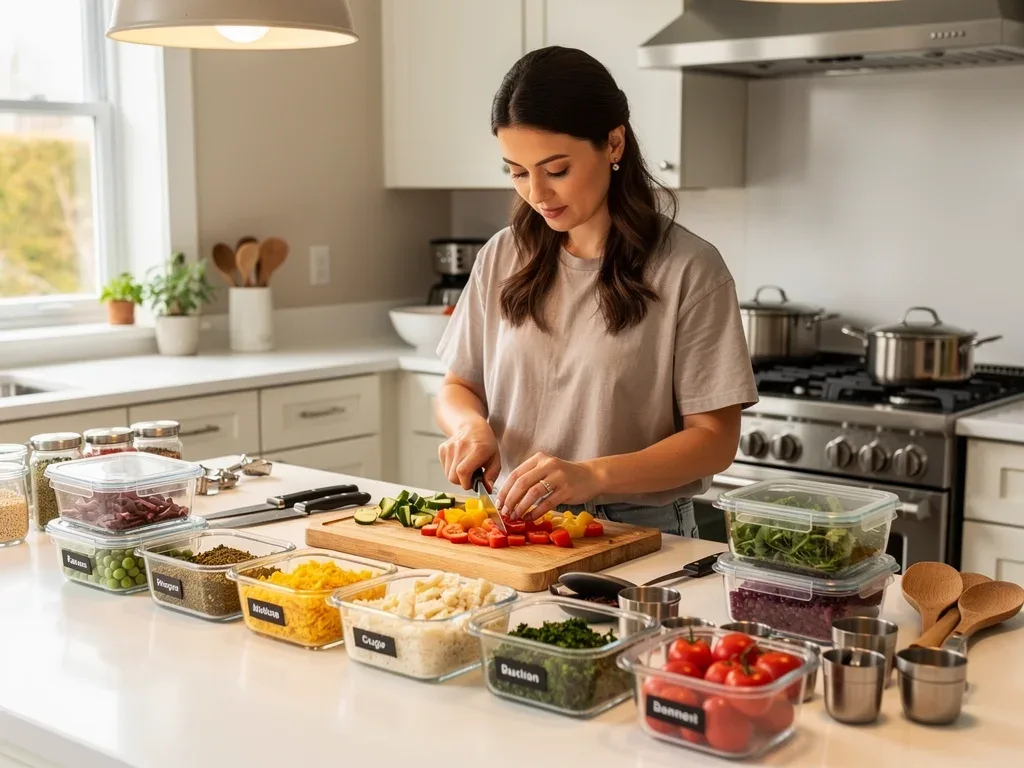
Before you even start cooking, take a few minutes to clear your countertops, gather your ingredients, and lay out your tools. This mise en place approach prevents frantic searching mid-recipe and keeps your focus on the task at hand. A cluttered kitchen often leads to a cluttered mind and inefficient cooking.
Essential Tools for Batch Cooking
While many tools are helpful, some are almost indispensable for efficient batch cooking:
- High-Quality Knives: A sharp chef's knife and a paring knife make chopping much faster and safer.
- Large Cutting Boards: Ample space for chopping multiple vegetables at once.\
- Airtight Containers: Essential for storing prepared ingredients and meals safely. Glass containers are excellent for reheating.
- Sheet Pans: Ideal for roasting large quantities of vegetables or proteins simultaneously.\
- Slow Cooker/Instant Pot: Perfect for hands-off cooking of stews, chilis, or large cuts of meat.
Investing in good quality, durable tools will make your meal prep journey much more enjoyable and efficient in the long run. These tools are not just gadgets; they are aids that streamline your process, allowing you to move quickly and effectively through your cooking sessions.
Mastering the Art of Ingredient Prep and Storage
The true genius of modern meal prep mastery lies in how you prepare and store your ingredients. It's not just about cooking; it's about making sure those cooked components stay fresh and are easily accessible when you need them. Proper storage prevents spoilage, maintains flavor, and ensures your efforts don't go to waste. This stage is where many beginners falter, leading to food waste and discouragement.
Focus on understanding which ingredients can be prepped in advance and how best to store them. Not all foods behave the same way once cut or cooked. For example, some vegetables are better roasted right before consumption, while others hold up well for days. Knowing these nuances will elevate your meal prep game.
Smart Ingredient Preparation Techniques
Maximizing the longevity and usability of your prepped ingredients:
- Wash and Chop All Produce: Do this immediately after grocery shopping. Store in airtight containers or bags with a paper towel to absorb moisture.\
- Blanch Vegetables: For some vegetables like broccoli or green beans, a quick blanching then shocking in ice water can preserve their color and texture for days.\
- Portion Proteins: Cooked proteins can be portioned into individual servings before refrigeration, making assembly even quicker.\
- Separate Wet and Dry: When assembling salads, keep dressings and wet ingredients separate until serving to prevent sogginess.
Proper storage is paramount. Invest in good quality, BPA-free containers that seal tightly. Labeling your containers with the date and contents can also be incredibly helpful, especially as you get more advanced with your meal prep. This systematic approach to preparation and storage is what truly makes the difference in maintaining freshness and flavor throughout the week.
Crafting Versatile Meals from Batch-Cooked Components
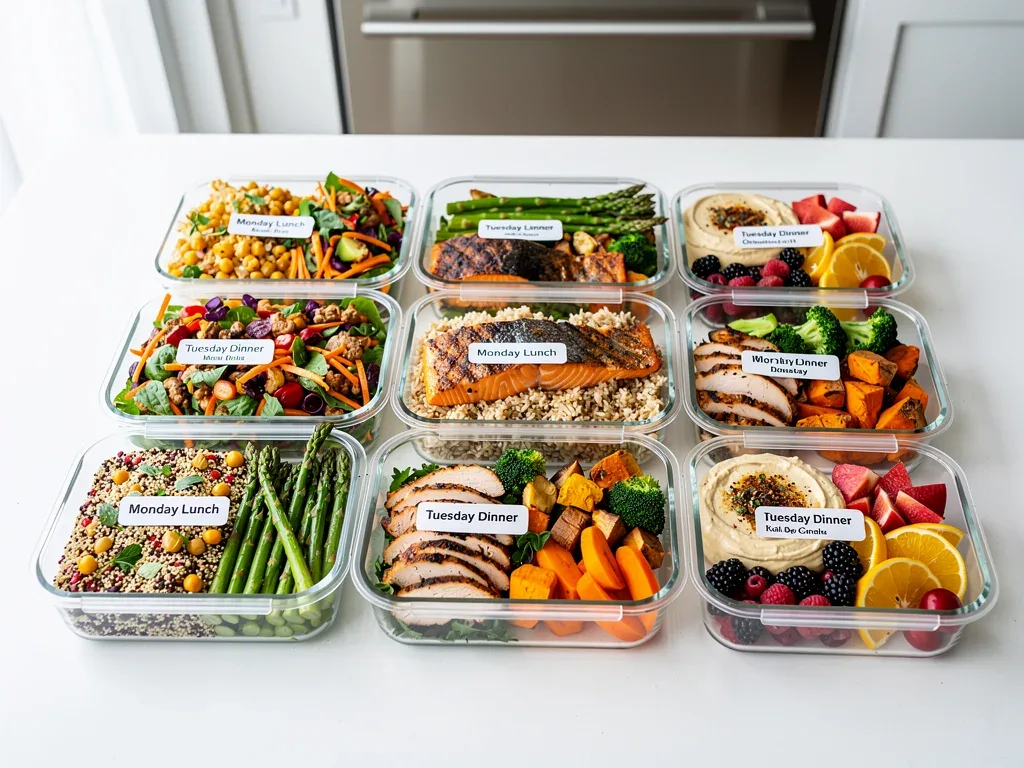
The beauty of modern meal prep mastery is its versatility. Batch cooking doesn't mean eating the same meal repeatedly. Instead, it involves preparing versatile components that can be mixed and matched into various dishes throughout the week. This keeps meals exciting and prevents palate fatigue, a common pitfall of traditional meal prep.
Think of your batch-cooked items as building blocks. A batch of roasted chicken can become part of a salad, a wrap, a stir-fry, or a pasta dish. Roasted vegetables can be a side, added to an omelet, or blended into a soup. The possibilities are endless once you shift your mindset from full meals to interchangeable components.
Mix-and-Match Meal Ideas
Here are some examples of how to create diverse meals from common batch-cooked items:
- Base: Quinoa/Rice:
- Meal 1: Grain bowl with roasted veggies, grilled chicken, and a tahini dressing.\
- Meal 2: Fried rice with leftover vegetables and scrambled eggs.\
- Meal 3: Stuffed bell peppers using grain and ground meat.
- Base: Roasted Chicken:
- Meal 1: Chicken salad sandwiches or wraps.\
- Meal 2: Chicken and vegetable stir-fry with a quick sauce.\
- Meal 3: Chicken quesadillas or tacos.
This modular approach keeps things fresh and prevents boredom. It also allows for flexibility; if one night you crave something lighter, you can easily adjust. The goal is to minimize active cooking time during the week, not to rigidly dictate every meal. This flexibility is what makes modern meal prep sustainable for families.
Reclaiming Family Time: The Ultimate Reward
The most significant benefit of achieving modern meal prep mastery is the profound impact it has on family life. By reclaiming 6 hours or more each week from daily cooking, you open up invaluable opportunities for connection, relaxation, and shared experiences. Imagine those evenings that were once rushed and stressful, now filled with laughter and presence. This isn't just about saving time; it's about enriching your life.
Instead of spending evenings in the kitchen, you can help with homework, read bedtime stories, play games, or simply enjoy a leisurely dinner conversation. The mental energy saved from not having to plan and cook daily meals can be redirected towards more meaningful interactions. This reduction in daily stressors creates a calmer, more harmonious home environment, benefiting everyone.

How to Maximize Your Reclaimed Hours
- Dedicated Family Dinners: Enjoy meals together without the rush, truly connecting over food.\
- Evening Activities: Spend time on hobbies, outdoor play, or creative projects with your children.\
- Relaxation and Self-Care: Parents can use some of the reclaimed time for personal rejuvenation, which benefits the entire family.\
- Educational Support: More time for helping children with schoolwork or engaging in learning activities.
The transformation is palpable. Families report feeling less stressed, eating healthier, and having more energy for each other. Modern meal prep mastery isn't just a cooking technique; it's a lifestyle upgrade that prioritizes well-being and strengthens family bonds. It allows you to be more present and engaged, transforming daily routines into cherished memories.
Troubleshooting and Sustaining Your Meal Prep Journey
Embarking on modern meal prep mastery is a journey, and like any journey, there will be bumps along the way. It's important to approach it with flexibility and a willingness to learn from experience. Not every meal prep session will be perfect, and some weeks might be more challenging than others. The key is to not get discouraged but to adapt and refine your process over time. Sustaining this habit requires continuous evaluation and adjustments to fit your evolving lifestyle.
One common challenge is avoiding monotony. As discussed, versatility is crucial. Another is managing portion sizes and ensuring food safety. Always ensure cooked food is cooled quickly and stored at appropriate temperatures. Planning for variety and having a system for using up leftovers are essential for long-term success.
Common Meal Prep Hurdles and Solutions
- Boredom with Meals:
- Solution: Focus on versatile components, rotate recipes, and experiment with new spices or cuisines.
- Food Spoilage:
- Solution: Invest in high-quality airtight containers, ensure proper cooling before storage, and plan meals for consumption within 3-4 days. Freeze portions if needed.
- Lack of Motivation:
- Solution: Start small, celebrate successes, involve family in the planning or cooking, and remind yourself of the reclaimed family time.
- Time Constraints for Prep:
- Solution: Break down tasks into smaller chunks, utilize kitchen gadgets, or even purchase some pre-chopped ingredients when time is extremely tight.
Remember, the goal is not perfection, but progress. Each week you engage in modern meal prep mastery, you're building a healthier, more efficient, and more family-focused lifestyle. It's about finding what works best for you and your household, making small, consistent efforts that lead to significant long-term gains in time and well-being. Embrace the learning curve, and enjoy the delicious rewards.
| Key Aspect | Brief Description |
|---|---|
| 3 Batch Sessions | Consolidate cooking into three focused sessions weekly to maximize efficiency and time savings. |
| Reclaimed Hours | Free up 6+ hours weekly from daily cooking, dedicating more time to family activities and personal pursuits. |
| Versatile Components | Prepare adaptable ingredients that can be combined into various meals, preventing boredom and ensuring variety. |
| Family Engagement | Use newfound time for quality family interactions, reducing stress and enhancing home life significantly. |
Frequently Asked Questions About Modern Meal Prep
What is modern meal prep mastery and how does it differ from traditional meal prep?▼Modern meal prep mastery emphasizes strategic batch cooking of versatile components rather than just full meals. It focuses on maximizing efficiency, reducing daily cooking time, and creating adaptable dishes to prevent boredom, ultimately freeing up significant family time.
How many hours can I realistically save each week with this method?▼By consolidating daily cooking, planning, and cleanup into three dedicated sessions, families can realistically reclaim 6 hours or more per week. This time can then be reinvested into quality family activities, personal hobbies, or relaxation.
What are the essential tools needed to start modern meal prepping?▼Key tools include high-quality knives, large cutting boards, airtight food storage containers (preferably glass), sheet pans for roasting, and potentially a slow cooker or Instant Pot for hands-off cooking. Organization is also a crucial 'tool.'
How can I prevent my meal-prepped food from getting boring or spoiling quickly?▼To prevent boredom, focus on preparing versatile components that can be mixed and matched into various meals. For spoilage, ensure proper cooling before storage, use airtight containers, and plan to consume meals within 3-4 days, freezing longer-term portions.
Is modern meal prep suitable for families with varied dietary preferences?▼Absolutely. Modern meal prep is highly adaptable. By preparing a range of basic components like different proteins, grains, and vegetables, each family member can customize their plate to suit their dietary needs or preferences, making it inclusive for everyone.
Conclusion
Embracing modern meal prep mastery is more than just a cooking technique; it's a strategic lifestyle choice that profoundly impacts family well-being. By thoughtfully planning and executing just three batch cooking sessions each week, households can liberate themselves from the daily grind of meal preparation, reclaiming a significant amount of time – often six hours or more – that can be joyfully redirected towards family, personal pursuits, and overall relaxation. This approach fosters healthier eating habits, reduces stress, and cultivates a more connected home environment, proving that efficiency in the kitchen truly translates to a richer, more fulfilling life outside of it.
