Sustainable Pantry Organization: Cut Food Waste by 35%
Advertisements
Implementing a 5-zone sustainable pantry organization system can significantly reduce domestic food waste by up to 35%, optimizing storage and encouraging conscious consumption habits.
Are you tired of discovering forgotten food items at the back of your pantry, destined for the trash? The problem of food waste is more pervasive than many realize, with an estimated 30-40% of the food supply in the United States going to waste. This not only impacts your wallet but also contributes significantly to environmental issues. Fortunately, there's a powerful solution: a well-structured approach to sustainable pantry organization. By adopting the innovative 5-zone system, you can dramatically cut domestic food waste by 35%, transforming your kitchen into a more efficient, eco-friendly space.
Understanding the Food Waste Crisis at Home
Before diving into solutions, it's crucial to grasp the magnitude of the food waste problem within our own homes. Often, we buy more than we need, forget what we have, or simply don't store food correctly, leading to spoilage and disposal. This cycle is detrimental both economically and ecologically, underscoring the urgent need for more thoughtful consumption and storage practices.
Food waste in households contributes to significant greenhouse gas emissions, as organic matter decomposes in landfills, releasing methane. Beyond the environmental impact, the financial cost to families is substantial, with perfectly edible food being discarded regularly. Recognizing these factors is the first step toward embracing sustainable habits.
The Environmental and Economic Toll
The resources invested in producing, transporting, and storing food that ultimately goes to waste are immense. From water and land to energy and labor, every discarded item represents a squandered effort. For the average American family, this translates to hundreds, if not thousands, of dollars lost annually on uneaten food.
- Resource Depletion: Wasted food means wasted water, land, and energy.
- Methane Emissions: Landfilled food produces potent greenhouse gases.
- Financial Strain: Families lose money on food they never consume.
- Ethical Concerns: Edible food is discarded while others face food insecurity.
By understanding these implications, the motivation to adopt a more sustainable approach to pantry management becomes clearer. It's not just about tidiness; it's about responsibility.
Ultimately, addressing food waste at home is a powerful way to make a tangible difference. It starts with awareness and moves towards actionable strategies that can be integrated into daily life. The 5-zone system offers a clear roadmap for achieving this.
Introducing the 5-Zone Sustainable Pantry System
The 5-zone sustainable pantry system is a revolutionary approach designed to maximize efficiency, reduce spoilage, and minimize food waste. It categorizes your pantry items into distinct zones, each with a specific purpose, ensuring that food is stored optimally and consumed before it expires. This method is about creating a dynamic, intuitive system rather than just a static arrangement of items.

This system promotes a proactive mindset towards food management, encouraging you to regularly assess your inventory and plan meals accordingly. By clearly defining where everything belongs and establishing a flow for consumption, you take control of your food supply, leading to significant reductions in waste.
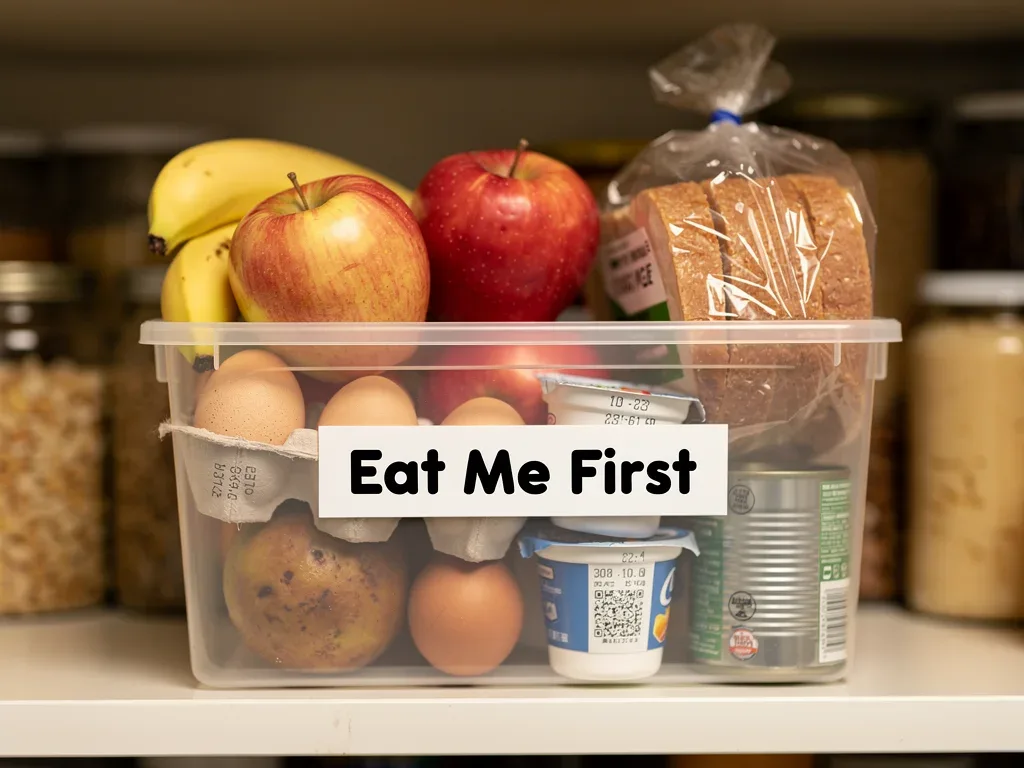
Zone 1: The 'Eat Me First' Zone
This zone is critical for tackling items nearing their expiration date or those that are already open and need to be consumed promptly. It's a highly visible area, often at eye level, ensuring these items are the first ones you reach for when planning meals or snacks.
- Visible Placement: Place items in a prominent, easy-to-access spot.
- Regular Review: Check this zone daily or every few days.
- Prioritize Consumption: Make these items a priority in meal planning.
- Examples: Leftovers, opened packages, produce nearing ripeness.
The 'Eat Me First' zone acts as a constant reminder, preventing good food from being forgotten and ultimately wasted. It's a simple yet incredibly effective psychological nudge.
Zone 2: Staples and Bulk Items
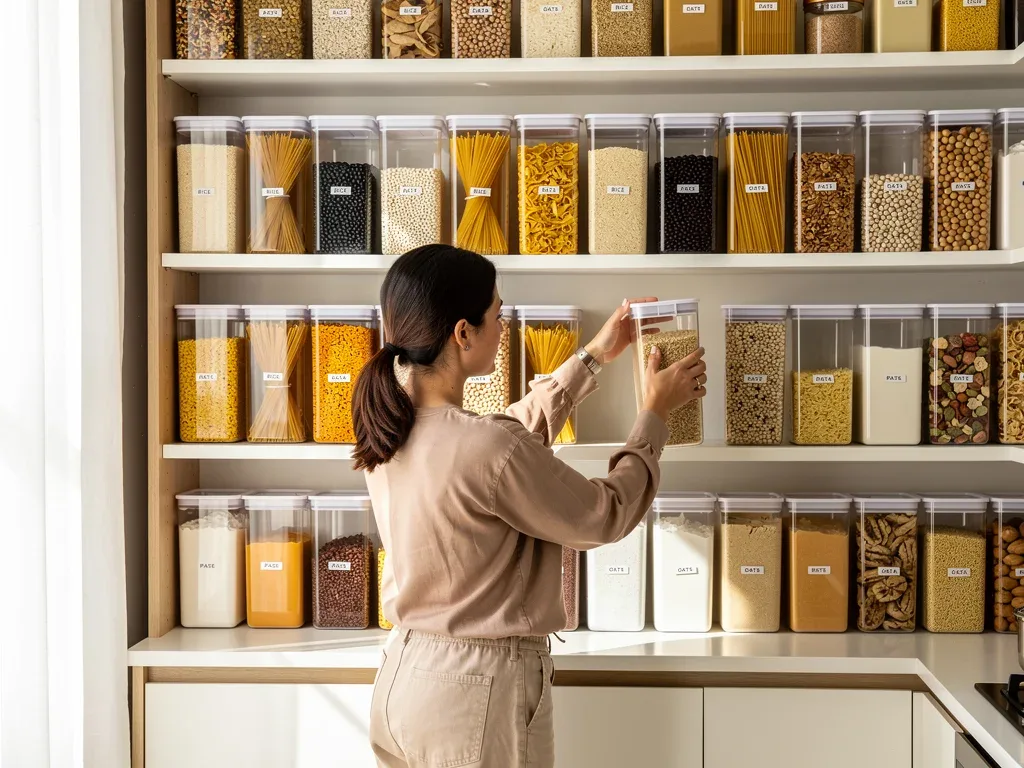
This zone is dedicated to your long-lasting, frequently used pantry staples and bulk purchases. Think rice, pasta, flour, sugar, canned goods, and dried beans. Proper storage in airtight containers is paramount here to maintain freshness and protect against pests, extending their shelf life considerably.
Investing in quality, transparent containers allows for easy identification of contents and quantities, making inventory management a breeze. This zone should be accessible but can be located on lower or higher shelves, given that these items aren't consumed as rapidly as those in Zone 1.
The careful organization of staples ensures you always have essential ingredients on hand, reducing impulsive last-minute grocery runs and the likelihood of buying duplicates.
By implementing these first two zones, you immediately address both short-term consumption and long-term storage, laying a solid foundation for a truly sustainable pantry. The clarity and structure provided by this system help to streamline meal preparation and reduce stress.
Implementing Zones 3, 4, and 5 for Optimal Efficiency
Once the initial zones are established, integrating the remaining three zones completes the sustainable pantry system, bringing comprehensive organization and waste reduction to your kitchen. Each zone plays a vital role in ensuring every food item is accounted for and utilized efficiently.
These zones focus on specific categories of food, further refining your storage strategy and making your pantry a highly functional space. The goal is to create a system where finding what you need is effortless, and wasting food becomes a rare occurrence.
Zone 3: Baking and Specialty Ingredients
This zone houses ingredients used less frequently but are essential for specific recipes or baking projects. Items like specialty flours, extracts, spices, nuts, and chocolate chips fall into this category. It's important to store these in clearly labeled, airtight containers to preserve their potency and prevent cross-contamination.
Consider dedicating a specific shelf or a set of drawers for these items. Grouping them together makes it easy to find what you need when inspiration strikes for a new recipe, while also preventing them from getting lost among daily staples. Proper labeling with purchase dates helps track freshness.
Maintaining an organized baking zone not only saves time but also ensures that expensive or specialized ingredients don't go to waste due to improper storage or being overlooked.
Zone 4: Snacks and Grab-and-Go Items
This zone is perfect for pre-packaged snacks, granola bars, fruit leathers, and other quick-access items. While these often have longer shelf lives, organizing them helps prevent over-purchasing and ensures children and adults can easily find healthy options without rummaging through the entire pantry.
- Accessibility: Place at an easy-to-reach height, especially for kids.
- Portion Control: Consider individual portions to reduce waste.
- Rotation: Implement a first-in, first-out (FIFO) system even for snacks.
- Examples: Cereal bars, dried fruit, crackers, rice cakes.
A well-organized snack zone can also encourage healthier eating habits by making nutritious choices readily available and visible. It minimizes the temptation to buy more snacks than necessary.
Zone 5: The 'Future Use' or Overflow Zone
This zone is for items purchased in bulk that don't fit into your immediate active storage or those you're saving for future use, such as seasonal ingredients or extra supplies. This could be a less accessible area, like a high shelf, a basement storage unit, or even a deep cupboard, as long as it's clearly defined.
It's crucial to keep an inventory of what's in this zone to avoid forgetting about it. A simple list or digital spreadsheet can be invaluable here. This zone prevents clutter in your main pantry while ensuring you still benefit from bulk discounts without the risk of spoilage.
By thoughtfully allocating space for overflow, you can manage larger quantities of food without compromising the organization of your daily-use zones. This strategic approach underpins the entire sustainable pantry organization system.
Best Practices for Maintaining Your Sustainable Pantry
Establishing the 5-zone system is just the beginning; consistent maintenance is key to its long-term success and continued reduction in food waste. Regular upkeep ensures that the system remains effective and that your pantry continues to serve as an efficient, eco-friendly hub.
Without ongoing attention, even the best organization system can falter. These best practices are designed to integrate seamlessly into your routine, making sustainable pantry management a natural part of your household's operations.
Regular Inventory and Meal Planning
Make it a habit to conduct a quick inventory check before grocery shopping. This prevents impulse buys and ensures you only purchase what you genuinely need. Use a whiteboard, a notebook, or a digital app to keep track of what you have and what's running low.
Meal planning around your existing inventory, especially items in the 'Eat Me First' zone, is a powerful waste-reduction strategy. It encourages creativity in the kitchen and ensures that food is consumed at its peak freshness.
A consistent inventory process helps you understand your consumption patterns, allowing for more precise shopping and less waste over time. This mindful approach is fundamental to sustainable living.
Proper Storage Techniques and FIFO
Beyond just organizing, understanding how to properly store different types of food is vital. Airtight containers for dry goods, appropriate refrigeration for perishables, and specific methods for fruits and vegetables can significantly extend shelf life.
- Airtight Containers: Essential for dry goods like flour, sugar, and grains.
- Cool, Dark Places: Ideal for potatoes, onions, and garlic.
- First-In, First-Out (FIFO): Always use older items before newer ones.
- Labeling: Date everything, especially homemade items and opened packages.
The FIFO principle is perhaps one of the most impactful practices. By consistently rotating your stock, you ensure that older items are consumed first, preventing them from expiring unnoticed at the back of the shelf.
Proper storage is not a one-size-fits-all solution; it requires a basic understanding of food science and a commitment to best practices. This knowledge empowers you to keep food fresh for longer, reducing the likelihood of waste.
The Impact of Sustainable Pantry Organization on Food Waste
The cumulative effect of diligently applying the 5-zone sustainable pantry system and its accompanying best practices is a significant reduction in domestic food waste. Studies and practical applications consistently show that organized pantries lead to more conscious consumption and less spoilage.
This organized approach minimizes forgotten items, optimizes ingredient usage, and fosters a greater appreciation for the food we purchase. The result is a more sustainable household that contributes positively to both personal finances and environmental well-being.
The estimated 35% reduction in food waste is not merely a theoretical figure; it's an achievable outcome for households committed to these practices. This percentage represents a tangible difference, both in your home and for the planet.
Beyond the Kitchen: Broader Benefits
The benefits of a sustainably organized pantry extend beyond just food waste reduction. A well-managed pantry leads to a more efficient kitchen overall, saving time during meal prep and grocery shopping. It also reduces stress by eliminating the scramble to find ingredients or replace spoiled ones.
Furthermore, adopting sustainable pantry habits can influence other areas of your life, encouraging a more mindful and eco-conscious approach to consumption in general. It's a small change with widespread positive ripple effects.
Embracing a sustainable pantry system is an investment in your household's efficiency, your financial health, and the health of the planet. It's a practical step towards a more sustainable lifestyle that everyone can adopt.
Common Challenges and How to Overcome Them
While the 5-zone sustainable pantry system offers numerous benefits, implementing and maintaining it can present a few challenges. Recognizing these common hurdles and having strategies to overcome them will ensure your long-term success in reducing food waste.
From initial setup to ongoing maintenance, proactive problem-solving is essential. With a bit of planning and persistence, these challenges can be effectively managed, allowing you to fully reap the rewards of an organized, sustainable pantry.
Space Constraints and Initial Setup Time
One of the most common challenges is dealing with limited pantry space. While the 5-zone system can be adapted to any size, smaller spaces require more creative solutions like vertical storage, stackable containers, and multi-functional bins.
The initial setup also requires an investment of time to declutter, categorize, and transfer items into appropriate containers. This can feel daunting, but approaching it in stages can make it more manageable. Dedicate a few hours each weekend until the system is fully implemented.
Remember, the time invested upfront will save countless hours in the long run, both in terms of finding ingredients and preventing wasted food. Think of it as an investment in efficiency.
Maintaining Consistency and Dealing with New Purchases
Consistency is crucial for any organization system. It's easy to fall back into old habits, especially when new groceries arrive. Develop a routine for putting away groceries, ensuring each item goes into its designated zone and older items are moved forward.
- Designated Shopping Day: Plan grocery trips around your pantry check.
- Immediate Put-Away: Unpack and organize groceries as soon as you get home.
- Family Involvement: Educate household members on the system.
- Flexibility: The system should adapt to your needs, not be rigid.
Dealing with new purchases effectively means integrating them into the FIFO system. Always place new items behind older ones of the same type. This seemingly small habit makes a huge difference in preventing items from expiring.
By anticipating these challenges and having strategies in place, you can ensure your sustainable pantry organization system remains robust and effective, consistently contributing to a reduction in domestic food waste.
| Key Aspect | Brief Description |
|---|---|
| 5-Zone System | Organizes pantry into distinct zones for optimal storage and waste reduction. |
| Food Waste Reduction | Aims to cut domestic food waste by 35% through mindful organization. |
| Key Zones | 'Eat Me First', Staples, Baking, Snacks, and Overflow categories. |
| Benefits | Saves money, reduces environmental impact, improves kitchen efficiency. |
Frequently Asked Questions About Sustainable Pantry Organization
What exactly is the 5-zone sustainable pantry system?▼The 5-zone system is a method of organizing your pantry by categorizing food items into five distinct areas: 'Eat Me First', Staples, Baking/Specialty, Snacks, and Overflow. This structure helps manage inventory, optimize storage, and significantly reduce food waste by ensuring items are used efficiently before expiring.
How can this system help cut food waste by 35%?▼By creating dedicated zones like 'Eat Me First' for expiring items and using FIFO (First-In, First-Out) for staples, the system ensures food is consumed proactively. Clear organization prevents items from being forgotten or spoiling, leading to a substantial reduction in discarded food and more mindful consumption habits.
What are the best types of containers to use for sustainable pantry organization?▼Airtight, clear containers made from glass or BPA-free plastic are ideal. They protect food from pests and moisture, extend shelf life, and allow for easy visibility of contents. Reusable bags for produce and labeled bins for specific categories also contribute to an efficient and sustainable setup.
How often should I review and reorganize my pantry with this system?▼A quick check of your 'Eat Me First' zone should be done daily or every few days. A more comprehensive review of all zones, including inventory and expiration dates, is recommended weekly or bi-weekly. This regular maintenance ensures the system remains effective and prevents new clutter from accumulating.
Can this 5-zone system be adapted for small pantries?▼Absolutely. The 5-zone system is highly adaptable. For small pantries, focus on vertical storage, stackable containers, and multi-functional bins. Prioritize accessibility for frequently used items and be creative with designated spaces, even if it means using shelves outside the main pantry area for overflow.
Conclusion
Adopting a sustainable pantry organization system, particularly the 5-zone method, is a powerful and practical step towards combating food waste in your home. By thoughtfully categorizing, storing, and managing your food inventory, you not only save money and time but also contribute significantly to environmental sustainability. This approach transforms your pantry from a mere storage space into a dynamic, efficient, and eco-conscious hub that supports mindful consumption and a healthier planet. Embrace these strategies, and witness the tangible benefits of a well-organized, waste-reducing kitchen.
