Small Business Optimism Index Climbs 3 Points: Capital Investment Forecasts
Advertisements
The recent 3-point increase in the Small Business Optimism Index indicates a significant boost in entrepreneurial confidence, directly influencing economic forecasts for capital investments and broader economic expansion.
The recent surge in the Small Business Optimism Index by 3 points has sent ripples of positive sentiment across the American economic landscape. Are small businesses finally ready to open their wallets and invest in growth? This significant shift not only reflects a renewed confidence among entrepreneurs but also offers crucial insights into the potential trajectory of capital investments and the broader economic outlook for the United States. Understanding this index is key to grasping where the economy might be headed.
Understanding the Small Business Optimism Index
The Small Business Optimism Index, released monthly by the National Federation of Independent Business (NFIB), serves as a crucial barometer of the health and future expectations of America's small business sector. This index is compiled from surveys of NFIB members, reflecting their plans for hiring, inventory, capital outlays, and overall sales expectations. Its 3-point climb indicates a notable improvement in sentiment.
For decades, economists and policymakers have closely watched the NFIB index because small businesses are often considered the backbone of the U.S. economy. They are significant job creators and innovators, and their collective mood can foreshadow broader economic trends. A rise in optimism typically suggests that these businesses are feeling more confident about their future prospects, which often translates into tangible actions like hiring more staff or expanding operations.
Key Components of the Index
The NFIB survey covers several critical areas, each contributing to the overall index score. These components provide a granular view of small business sentiment:
- Sales Expectations: Businesses' projections for future sales volumes.
- Capital Outlay Plans: Intentions to invest in new equipment, facilities, or technology.
- Inventory Plans: Desired changes in inventory levels, indicating demand expectations.
- Job Creation Plans: Whether businesses plan to increase or decrease their workforce.
A positive movement across these components, as seen in the recent 3-point climb, paints a picture of growing confidence. This confidence is not just about feeling good; it's about making strategic decisions that directly impact economic activity. When small businesses anticipate higher sales, they are more likely to invest, hire, and contribute to GDP growth, creating a virtuous cycle.
The index is not just a number; it's a reflection of thousands of individual business owners' perspectives. Their collective outlook offers a powerful indicator of economic momentum, often before larger economic data points are released. Therefore, this recent uptick is particularly noteworthy for anyone tracking the pulse of the American economy.
Factors Driving the Recent 3-Point Increase
Several underlying factors have likely contributed to the recent 3-point surge in the Small Business Optimism Index. Understanding these drivers is essential for appreciating the robustness of the current economic sentiment and projecting its potential longevity. It's rarely a single cause, but rather a confluence of economic, policy, and market conditions that influence entrepreneurial confidence.
One significant factor could be the easing of inflationary pressures. For a considerable period, small businesses grappled with soaring costs for raw materials, labor, and transportation, which squeezed profit margins and deterred investment. Recent reports indicating a moderation in inflation rates might have provided some relief, allowing businesses to plan with greater certainty and less fear of unexpected cost escalations.
Policy and Market Influences
Government policies and broader market conditions also play a pivotal role in shaping business sentiment. A stable regulatory environment, favorable tax policies, or targeted support programs for small businesses can significantly boost confidence. Conversely, uncertainty on these fronts can lead to hesitation and a reluctance to commit to long-term investments.
- Stable Interest Rates: A period of stable or slightly declining interest rates can make borrowing more affordable, encouraging businesses to take on loans for expansion or capital expenditures.
- Consumer Spending Trends: Robust consumer spending directly translates to higher sales for many small businesses, fostering a positive outlook for future revenue.
- Labor Market Dynamics: While labor shortages have been a challenge, any signs of improvement in labor availability or a slowdown in wage growth pressure can alleviate concerns for employers.
Furthermore, global supply chain improvements may have also played a part. Many small businesses rely on efficient supply chains for their inputs and outputs. Reductions in shipping costs and lead times can enhance operational efficiency and reduce business risk, contributing to a more optimistic outlook. The cumulative effect of these factors creates an environment where small business owners feel more secure in their operational and financial decisions, leading to the observed increase in the optimism index.
Implications for Capital Investments
The 3-point increase in the Small Business Optimism Index has direct and significant implications for capital investments. When small business owners feel more confident about the economic future, they are more inclined to allocate resources towards long-term growth initiatives. This includes purchasing new equipment, expanding facilities, upgrading technology, and investing in employee training and development.
Capital investments are critical for economic growth because they enhance productivity, create jobs, and foster innovation. For small businesses, these investments are often a direct response to anticipated increases in demand or a strategic move to gain a competitive edge. A higher optimism index suggests that more businesses are moving from a conservative, wait-and-see approach to a more proactive, growth-oriented strategy.
Direct Impact on Business Expansion
The decision to invest capital is not taken lightly by small businesses, as it often involves significant financial commitment and risk. Therefore, a rise in the optimism index is a strong signal that the perceived risk of investment has decreased, while the potential for return has increased. This can manifest in several ways:
- Technology Upgrades: Businesses may invest in new software, automation tools, or digital infrastructure to improve efficiency and reach new customers.
- Equipment Purchases: Acquisition of new machinery, vehicles, or specialized tools to boost production capacity or improve service delivery.
- Facility Expansions: Investing in larger office spaces, manufacturing plants, or retail locations to accommodate growth.
These investments not only benefit the individual businesses but also have a ripple effect throughout the economy. Increased demand for capital goods stimulates manufacturing and related industries. Furthermore, expanded businesses often require additional staff, leading to job creation. The current rise in optimism suggests a period where such growth-oriented decisions are likely to become more prevalent, fueling economic activity across various sectors.

Moreover, the willingness to invest in capital goods and technology is often a precursor to improved competitiveness and long-term sustainability for small businesses. By modernizing their operations, they can better adapt to market changes, increase efficiency, and ultimately contribute more robustly to the overall economic landscape. This positive feedback loop underscores the importance of the optimism index as an indicator of future economic strength.
Economic Forecasts and Future Outlook
The recent 3-point ascent in the Small Business Optimism Index provides a strong foundation for more positive economic forecasts in the coming months. Economists often integrate this index into their predictive models, as it offers a real-time pulse of a vital economic segment. The prevailing sentiment suggests that the U.S. economy might be heading towards a period of sustained, albeit perhaps moderate, growth fueled by increased business activity.
Forecasters are now likely to adjust their projections for various macroeconomic indicators. This includes expectations for Gross Domestic Product (GDP) growth, employment rates, and even consumer spending. A confident small business sector typically translates into a more dynamic job market, as businesses expand their operations and require more personnel. This, in turn, can lead to higher disposable income for consumers, further stimulating demand.
Sector-Specific Growth Predictions
While the overall outlook is brighter, the impact might not be uniform across all sectors. Some industries, particularly those directly serving small businesses or benefiting from increased capital expenditures, could experience more pronounced growth:
- Manufacturing: Increased demand for machinery, equipment, and raw materials from expanding small businesses.
- Construction: Growth in commercial construction for new facilities, renovations, and expansions.
- Technology Services: Higher investment in IT infrastructure, software, and digital solutions to improve efficiency and competitiveness.
These sector-specific predictions highlight how a general rise in small business confidence can cascade through the economy, creating opportunities and driving growth in interconnected industries. The positive sentiment could also encourage banks and financial institutions to be more willing to lend to small businesses, further lubricating the wheels of investment and expansion. This optimistic outlook is a welcome change from previous periods of economic uncertainty, offering a glimmer of hope for a more robust economic future.

Challenges and Headwinds for Small Businesses
Despite the encouraging 3-point increase in the Small Business Optimism Index, it is crucial to acknowledge that small businesses still face a myriad of challenges and potential headwinds. While confidence is up, the path to sustained growth is rarely without obstacles. Understanding these challenges is vital for a balanced perspective on the economic forecasts and for developing effective support strategies.
One persistent challenge remains the labor market. While some improvements have been noted, many small businesses continue to struggle with finding qualified workers. Wage pressures, driven by a tight labor market, can also impact profitability, even with increased sales. The cost of attracting and retaining talent can eat into the margins that might otherwise be allocated to capital investments or further expansion.
Ongoing Economic Pressures
Beyond labor, other economic pressures continue to weigh on small businesses. Inflation, though easing, has not disappeared entirely, and the cumulative effect of past price increases still impacts operational costs. Furthermore, geopolitical uncertainties and global supply chain vulnerabilities can resurface, creating unexpected disruptions and cost spikes.
- Access to Capital: While optimism is up, securing affordable financing can still be a hurdle, especially for newer or smaller enterprises without established credit histories.
- Regulatory Burden: Small businesses often report that navigating complex regulations and compliance requirements consumes valuable time and resources.
- Competition: Intense competition from larger corporations and online retailers continues to be a significant challenge, requiring constant innovation and adaptation.
These challenges underscore the need for continued vigilance and adaptive strategies from small business owners. The rise in optimism is a powerful indicator, but it does not erase the fundamental difficulties inherent in running a small enterprise. Policymakers and industry leaders must remain attuned to these issues to ensure that the positive momentum from the optimism index translates into sustainable and equitable growth across the small business sector. Addressing these headwinds proactively will be key to solidifying the economic recovery.
Strategies for Capital Investment in an Optimistic Climate
With the Small Business Optimism Index showing a healthy 3-point climb, small businesses are presented with an opportune moment to strategically plan and execute capital investments. This period of heightened confidence can be leveraged to not only expand operations but also to enhance efficiency, competitiveness, and long-term sustainability. However, even in an optimistic climate, thoughtful planning is paramount to ensure these investments yield maximum returns.
One key strategy involves prioritizing investments that offer a clear return on investment (ROI) and align with the business's core objectives. This could mean upgrading outdated machinery to reduce maintenance costs and improve output, or investing in new software that streamlines operations and enhances customer experience. The focus should be on improvements that directly contribute to revenue growth or cost reduction.
Smart Investment Approaches
Approaching capital investment with a clear strategy can mitigate risks and amplify benefits. It's not just about spending money, but about investing it wisely where it will have the most impact. Businesses should consider a multi-faceted approach:
- Technology Adoption: Investing in digital tools, e-commerce platforms, or AI-driven analytics can open new markets and improve operational intelligence.
- Workforce Development: Capitalizing on the optimistic sentiment by investing in employee training and skill development, which can lead to increased productivity and innovation.
- Sustainability Initiatives: Investing in energy-efficient equipment or sustainable practices can not only reduce operating costs but also appeal to an increasingly environmentally conscious customer base.
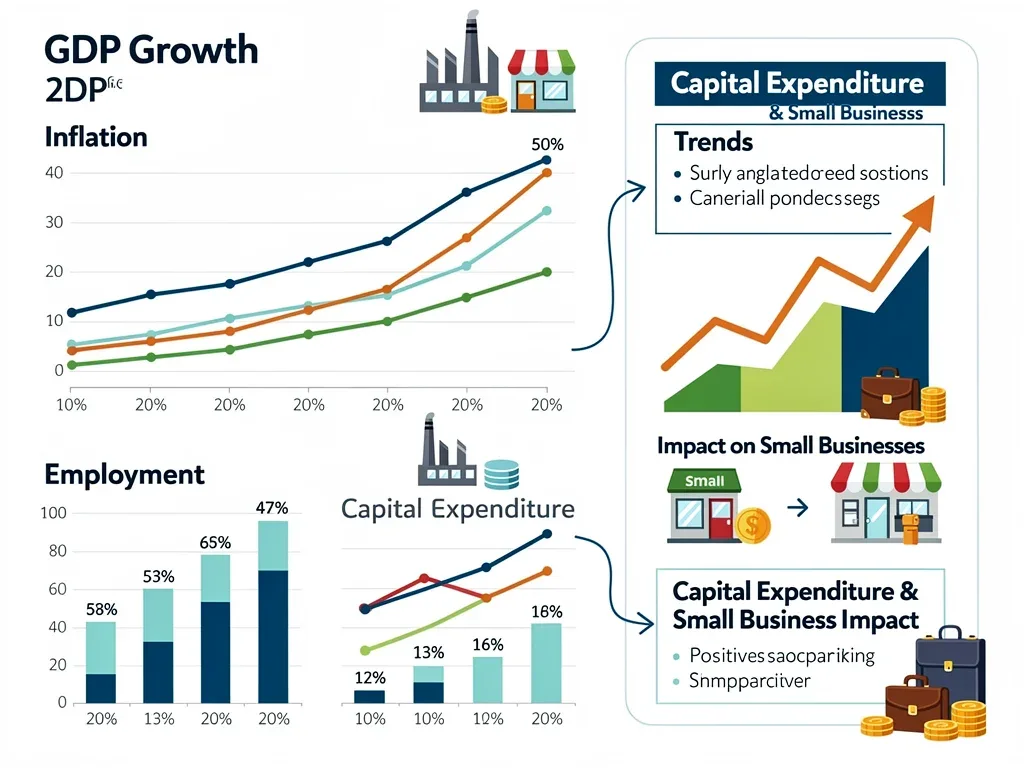
Furthermore, small businesses should explore various financing options, from traditional bank loans to government-backed programs or even crowdfunding, to ensure they secure capital at favorable terms. An optimistic economic outlook often makes lenders more amenable to supporting growth-oriented projects. By carefully evaluating opportunities and managing risks, small businesses can transform this positive sentiment into tangible growth and a stronger market position, contributing significantly to the overall economic vitality.
Government and Policy Support for Small Business Investment
The role of government and supportive policies is instrumental in translating the increased Small Business Optimism Index into tangible economic growth through capital investments. While small business owners are feeling more confident, governmental frameworks can further amplify this sentiment by reducing barriers and providing incentives for expansion. Such support can range from tax breaks to streamlined regulatory processes and access to favorable financing.
Policymakers often look to indices like the NFIB's to gauge where intervention or support might be most effective. A rising optimism index, coupled with a desire for capital investment, signals an opportunity for targeted programs that encourage businesses to take the leap. This proactive approach can accelerate economic recovery and foster a more resilient small business sector.
Key Areas of Policy Support
Effective policy support can take many forms, each designed to address specific challenges faced by small businesses when considering capital investments:
- Tax Incentives: Offering tax credits or accelerated depreciation for investments in new equipment, technology, or facilities can significantly reduce the financial burden.
- Access to Credit: Government-backed loan programs (like those from the Small Business Administration) can make it easier for businesses to secure financing, especially for those deemed higher risk by traditional lenders.
- Regulatory Simplification: Reducing bureaucratic hurdles and simplifying compliance requirements can free up resources and time that small businesses can redirect towards growth initiatives.
Moreover, initiatives focused on workforce development and infrastructure improvement can also indirectly support capital investments. A skilled workforce makes new machinery and technology more effective, while improved infrastructure can reduce operational costs and expand market access. By creating an enabling environment, government and policy support play a crucial role in ensuring that the positive sentiment reflected in the optimism index translates into widespread and sustainable capital investments across the small business landscape, ultimately strengthening the national economy.
| Key Point | Brief Description |
|---|---|
| Optimism Index Rise | The Small Business Optimism Index climbed 3 points, signaling increased confidence among entrepreneurs. |
| Capital Investment | Higher optimism is expected to drive increased capital expenditures for equipment, technology, and expansion. |
| Economic Forecasts | Economists anticipate positive adjustments to GDP and employment forecasts due to this improved sentiment. |
| Policy Support | Government policies and incentives can further enhance investment and mitigate ongoing challenges. |
Frequently Asked Questions About Small Business Optimism
What does the Small Business Optimism Index measure?▼The Small Business Optimism Index measures the sentiment of small business owners regarding current and future economic conditions. It surveys various aspects like sales expectations, hiring plans, and capital expenditure intentions, providing a comprehensive outlook on the sector's health.
Why is a 3-point climb in the index significant?▼A 3-point increase is significant because it indicates a broad-based improvement in confidence among a large number of small businesses. This collective positive shift suggests that more entrepreneurs are feeling secure enough to consider expansion and long-term investments, which can drive economic growth.
How does small business optimism affect capital investments?▼Increased optimism directly correlates with higher capital investments. Confident business owners are more likely to spend on new equipment, technology, and facility upgrades to meet anticipated demand, improve efficiency, and enhance competitiveness, fueling economic activity.
What are the main drivers behind this recent surge?▼The recent surge is likely driven by a combination of factors, including easing inflationary pressures, stable interest rates, robust consumer spending, and improvements in global supply chains. These elements collectively create a more favorable environment for business planning and growth.
What challenges still face small businesses despite rising optimism?▼Despite rising optimism, small businesses still face challenges such as labor shortages and wage pressures, ongoing inflationary impacts, difficulties in accessing capital, and regulatory burdens. These factors require continuous attention to ensure sustainable growth.
Conclusion
The recent 3-point rise in the Small Business Optimism Index represents a pivotal moment for the American economy, signaling a renewed sense of confidence among entrepreneurs. This increased optimism is a powerful harbinger for capital investments, suggesting that small businesses are ready to move beyond cautious planning towards active expansion and modernization. While challenges persist, the prevailing sentiment points towards a period of strategic growth and enhanced economic activity. By understanding the drivers behind this optimism and strategically addressing remaining hurdles, the small business sector is well-positioned to continue its vital role in driving innovation, creating jobs, and fostering a robust economic future for the United States.
