U.S. GDP Expands by 2.6%: Key Sector Growth Insights
Advertisements
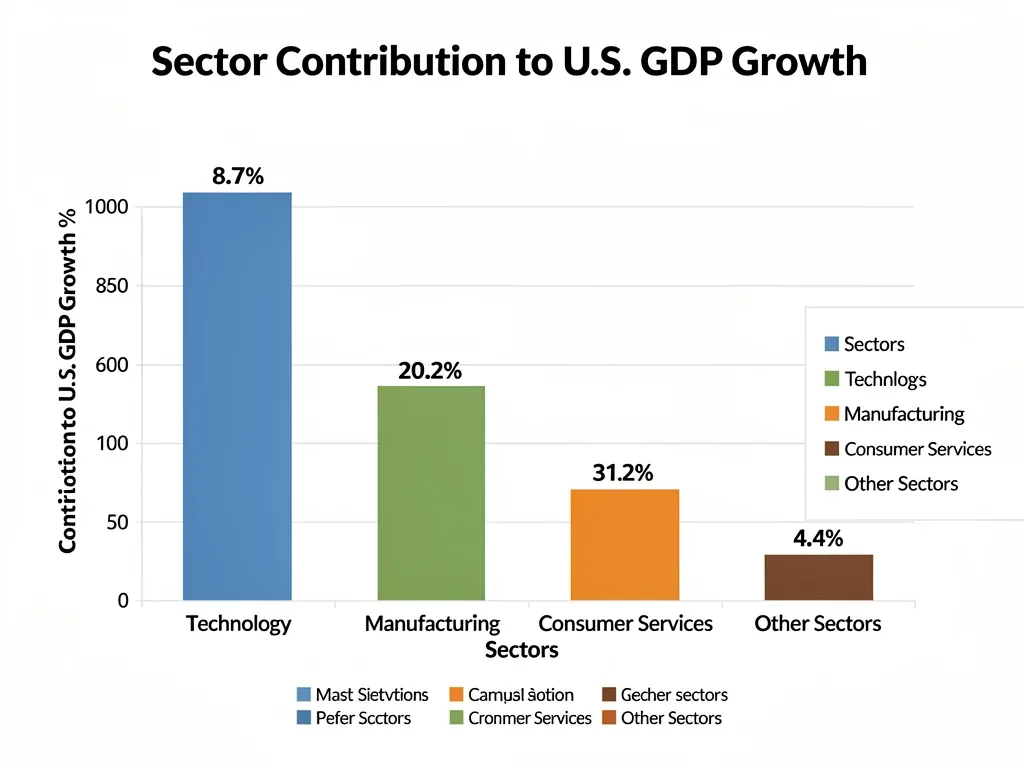
The U.S. GDP recently expanded by 2.6%, driven by robust performance in key sectors like technology, manufacturing, and consumer services, indicating a resilient economic landscape.
The recent announcement of a U.S. GDP expansion by 2.6% has ignited discussions across financial markets and economic circles. This growth figure is not just a number; it represents a tangible shift in the nation's economic trajectory, reflecting resilience and adaptability in a complex global environment. Understanding the forces behind this expansion is crucial for businesses, policymakers, and everyday citizens alike.
Understanding the U.S. GDP Expansion
The U.S. Gross Domestic Product (GDP) serves as the broadest indicator of economic activity, measuring the total value of goods and services produced within a country's borders over a specific period. A 2.6% expansion signifies a healthy, albeit moderated, pace of growth, especially when viewed against previous quarters and global economic headwinds. This figure is often a composite of various contributing factors, from consumer spending to government investment, each playing a vital role in the national output.
Analyzing the nuances of this expansion requires a closer look at its components. The headline number, while important, doesn't tell the whole story. Economists delve into consumption patterns, business investments, net exports, and government expenditures to paint a complete picture. Each of these elements can either bolster or hinder overall growth, making their individual performance critical to the aggregate GDP figure.
Key Drivers of Economic Growth
Several fundamental drivers are typically at play when a national economy experiences significant growth. These are not isolated factors but rather interconnected elements that collectively contribute to the overall economic health and expansion. Identifying these drivers helps in forecasting future trends and formulating effective economic policies.
- Consumer Spending: This remains the largest component of U.S. GDP, reflecting household consumption of goods and services. A confident consumer base, supported by stable employment and rising wages, often translates into increased spending.
- Business Investment: When businesses invest in new equipment, technology, and facilities, it signals optimism about future demand and productivity. This type of investment creates jobs and enhances productive capacity.
- Government Spending: Public sector expenditures on infrastructure, defense, and social programs can provide a significant boost to economic activity, especially during periods of slower private sector growth.
- Net Exports: The balance between a country's exports and imports also influences GDP. A positive net export figure means more goods and services are being sold abroad than imported, contributing positively to national output.
In conclusion, the 2.6% U.S. GDP expansion is a testament to the interplay of these various economic drivers. While the overall number is encouraging, a deeper examination of each component reveals the underlying strengths and potential vulnerabilities within the economy.
Technology Sector's Unwavering Momentum
The technology sector continues to be a formidable engine of growth for the U.S. economy, consistently pushing boundaries and creating new markets. Its contribution to the recent 2.6% GDP expansion is undeniable, reflecting robust innovation, significant investment, and an ever-increasing demand for digital solutions across all facets of life and business.
From software development and cloud computing to artificial intelligence and cybersecurity, technological advancements are not only driving direct economic output but also enhancing productivity in other sectors. This pervasive influence makes the tech industry a critical component of sustained national growth.
Innovation and Investment Fueling Growth
The continuous cycle of innovation and investment is a hallmark of the technology sector. Companies are constantly pouring resources into research and development, leading to groundbreaking products and services that redefine industries. This commitment to progress directly translates into economic value.
- Venture Capital Influx: Significant venture capital funding continues to flow into tech startups, fostering new companies and disruptive technologies. This capital fuels job creation and expands the entrepreneurial ecosystem.
- Digital Transformation: Businesses across all sectors are undergoing digital transformations, adopting new technologies to improve efficiency, reach customers, and streamline operations. This widespread adoption creates demand for tech products and services.
- Global Demand: U.S. technology companies are global leaders, exporting their innovations worldwide. This international demand contributes substantially to net exports and strengthens the nation's economic standing.
The growth isn't limited to Silicon Valley; tech hubs are emerging across the nation, diversifying the economic landscape. This decentralization of innovation ensures a broader impact and greater resilience against localized economic downturns. The sector's ability to adapt and innovate remains a cornerstone of U.S. economic strength.
Ultimately, the technology sector's role in the U.S. GDP expansion is characterized by its dynamic nature and its capacity to not only generate wealth but also to catalyze growth in virtually every other industry. Its momentum appears set to continue, underpinning future economic prosperity.
Manufacturing's Resurgence and Modernization
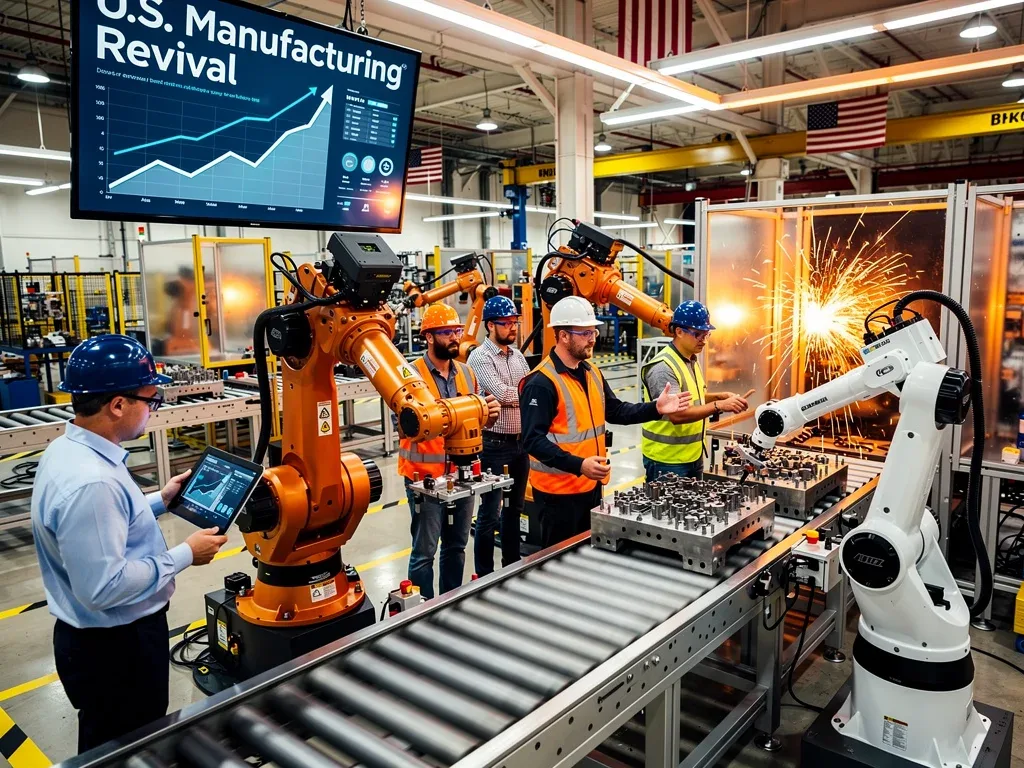
Once considered a declining force, the U.S. manufacturing sector has shown remarkable resilience and resurgence, contributing significantly to the recent 2.6% GDP expansion. This comeback is not merely a return to old ways but a transformation driven by modernization, automation, and a renewed focus on domestic production and advanced technologies.

Modern manufacturing facilities are far removed from the traditional image of smoky factories. Today, they are high-tech environments, leveraging robotics, artificial intelligence, and data analytics to produce goods more efficiently and with greater precision. This evolution has made the sector more competitive on a global scale.
Advanced Manufacturing and Supply Chain Shifts
The shift towards advanced manufacturing techniques has been a game-changer. This includes additive manufacturing (3D printing), advanced materials, and smart factories that integrate digital technologies. These innovations are boosting productivity and creating highly skilled jobs.
Furthermore, recent global disruptions have highlighted the vulnerabilities of extended supply chains, prompting a strategic push towards reshoring and nearshoring manufacturing operations. This movement aims to enhance supply chain resilience and reduce dependence on foreign production, directly benefiting domestic manufacturing output.
- Robotics and Automation: Increased adoption of robotics and automation has significantly enhanced manufacturing efficiency and output, allowing for higher production volumes with optimized resource utilization.
- Skilled Workforce Development: There's a growing emphasis on training and developing a skilled workforce capable of operating and maintaining advanced manufacturing technologies, bridging the gap between traditional and modern industrial demands.
- Domestic Investment: Government incentives and private sector initiatives are encouraging greater investment in U.S. manufacturing facilities, leading to new plant constructions and expansions.
The revitalization of manufacturing is not just about producing more goods; it's about producing them smarter and more sustainably. This sector's renewed vitality is a strong indicator of a diversified and robust U.S. economy, playing a crucial role in the overall U.S. GDP expansion.
The ongoing modernization and strategic adjustments within manufacturing underscore its pivotal role in national output, promising continued contributions to economic growth and stability.
Robust Performance in Consumer Services
Consumer services, encompassing a vast array of industries from retail and hospitality to healthcare and entertainment, have demonstrated robust performance, significantly contributing to the 2.6% U.S. GDP expansion. This sector is a direct reflection of consumer confidence and spending power, which remain critical pillars of the American economy.
As the economy has stabilized and employment rates have remained strong, consumers have shown a willingness to spend on experiences and services, driving demand across these diverse industries. The adaptability of service providers, especially in the wake of recent global challenges, has also been key to their sustained growth.
Evolving Consumer Behavior and Digital Integration
Consumer behavior has evolved, with a greater emphasis on convenience, personalized experiences, and digital access. Service providers that have successfully integrated technology into their offerings have seen substantial gains, meeting modern consumer expectations.
The growth in e-commerce, online entertainment, and telemedicine are prime examples of how digital integration has transformed service delivery. These trends have not only created new markets but also expanded the reach and efficiency of existing services.
- Leisure and Hospitality Rebound: Post-pandemic, the travel, dining, and entertainment industries have experienced a significant rebound, driven by pent-up demand and a desire for social interaction.
- Healthcare Demand: An aging population and ongoing health awareness continue to fuel demand for healthcare services, from routine check-ups to specialized medical treatments.
- Retail Adaptability: Brick-and-mortar retailers have innovated by integrating online sales channels and offering enhanced in-store experiences, successfully competing in a dynamic market.
The resilience and growth of the consumer services sector highlight the underlying strength of household balance sheets and a generally optimistic consumer outlook. This sector's ability to adapt to changing preferences and economic conditions ensures its continued importance in the overall U.S. GDP expansion narrative.
In essence, the vibrant consumer services sector acts as a direct barometer of consumer health and confidence, proving its indispensable role in propelling national economic output.
Financial Services and Real Estate Contributions
The financial services and real estate sectors, often intertwined, have played a substantial role in the U.S. GDP's 2.6% expansion. These sectors are crucial for facilitating investment, managing wealth, and providing the foundational infrastructure for economic transactions, thereby supporting growth across all other industries.
Financial services encompass banking, insurance, investment management, and capital markets, all of which are essential for businesses and individuals to thrive. Real estate, on the other hand, provides the physical space for economic activity and represents a significant store of wealth.
Market Stability and Investment Activity
Periods of economic stability often translate into increased activity in both financial markets and real estate. Confident investors are more likely to engage in capital markets, while stable interest rates and economic growth encourage real estate development and transactions.
The availability of capital, facilitated by a healthy financial sector, is vital for business expansion, technological innovation, and infrastructure projects. Similarly, a robust real estate market supports construction, rental income, and property value appreciation, all contributing to GDP.
- Capital Market Performance: Strong stock market performance and increased trading volumes indicate investor confidence, which translates into wealth creation and capital availability for businesses.
- Lending and Credit Growth: A healthy banking sector providing accessible loans and credit allows businesses to invest and consumers to spend, fueling economic activity.
- Housing Market Dynamics: Despite some fluctuations, the housing market has shown resilience, with ongoing demand for residential and commercial properties contributing to construction and related services.
The symbiotic relationship between financial services and real estate means that positive developments in one often spill over into the other. Their combined strength provides a stable backdrop for overall economic growth, making their contributions to the U.S. GDP expansion indispensable.
These sectors, by enabling investment and providing essential economic infrastructure, continue to be foundational to the nation's economic output and future prosperity.
Emerging Sectors and Future Growth Prospects
Beyond the traditionally dominant sectors, several emerging industries are increasingly contributing to the U.S. GDP expansion and hold significant promise for future growth. These sectors are often characterized by innovation, sustainability, and a forward-looking approach, addressing new market demands and global challenges.
The diversification of the U.S. economy into these burgeoning areas ensures a more resilient and dynamic economic landscape, less susceptible to downturns in any single industry. Identifying and nurturing these emerging sectors is crucial for long-term national prosperity.
Green Energy and Biotechnology Leading the Way
Two of the most prominent emerging sectors are green energy and biotechnology. The green energy sector, driven by a global push for sustainability, includes renewable energy production, energy efficiency technologies, and electric vehicle manufacturing.
Biotechnology, on the other hand, is at the forefront of medical advancements, agricultural innovation, and environmental solutions. Both sectors benefit from substantial research and development investments and favorable policy environments.
- Renewable Energy Investments: Significant capital is being directed towards solar, wind, and other renewable energy projects, creating jobs and reducing reliance on fossil fuels.
- Biotech Discoveries: Breakthroughs in genetic engineering, pharmaceuticals, and diagnostics are leading to new treatments and products, enhancing public health and creating high-value industries.
- Space Economy: The commercial space industry, including satellite technology and space tourism, is a rapidly expanding sector with immense potential for innovation and economic contribution.
These emerging sectors are not only generating direct economic output but are also fostering a new wave of highly skilled jobs and technological advancements. Their growth trajectory suggests they will play an increasingly vital role in sustaining the U.S. GDP expansion in the coming years.
The investment in and development of these innovative industries are critical for ensuring the U.S. economy remains competitive and forward-looking on the global stage.
Challenges and Sustaining Momentum
While the 2.6% U.S. GDP expansion is a positive indicator, the economy is not without its challenges. Sustaining this momentum requires careful navigation of both domestic and international headwinds. Economic growth is rarely linear, and understanding potential obstacles is as important as celebrating successes.
Inflationary pressures, global supply chain disruptions, geopolitical tensions, and labor market dynamics all pose significant challenges that could impact future growth. Addressing these issues proactively is essential for maintaining a healthy economic trajectory.
Navigating Economic Headwinds
Policymakers and businesses alike must remain vigilant and adaptable to navigate the complex economic environment. This involves strategic planning, prudent fiscal and monetary policies, and a commitment to innovation and efficiency.
The ability to mitigate risks and capitalize on opportunities will determine the long-term sustainability of the current growth path. Economic resilience is built not just on strong sectors but also on effective responses to adversity.
- Inflation Management: Controlling inflation without stifling economic growth remains a delicate balancing act for monetary authorities, impacting purchasing power and investment decisions.
- Global Economic Slowdown: A slowdown in major global economies could reduce demand for U.S. exports and affect international investment flows, posing a challenge to domestic growth.
- Labor Market Shortages: Persistent labor shortages in key sectors could constrain production and service delivery, leading to increased wages and potentially higher inflation.
Despite these challenges, the U.S. economy has demonstrated a remarkable capacity for adaptation. Continued investment in education, infrastructure, and technological advancement, coupled with sound economic policies, will be crucial for sustaining the momentum of the U.S. GDP expansion.
The path forward demands a balanced approach, acknowledging both the strengths that have driven recent growth and the challenges that require strategic solutions for enduring prosperity.
| Key Point | Brief Description |
|---|---|
| GDP Growth | U.S. GDP expanded by 2.6%, signaling economic resilience and strength. |
| Dominant Sectors | Technology, manufacturing, and consumer services were primary drivers. |
| Emerging Industries | Green energy and biotechnology show significant future growth potential. |
| Economic Challenges | Inflation, supply chains, and labor shortages require careful management. |
Frequently Asked Questions About U.S. GDP Growth
What does the 2.6% U.S. GDP expansion signify for the average American?▼A 2.6% U.S. GDP expansion generally indicates a healthy economy, which can translate to more job opportunities, stable incomes, and potentially increased consumer confidence. It suggests that businesses are growing and investing, creating a positive ripple effect through the economy.
Which sectors were most influential in driving this recent GDP growth?▼The technology sector, with its continuous innovation and investment, along with a revitalized manufacturing industry driven by modernization, and a robust consumer services sector fueled by strong consumer spending, were the primary drivers behind this latest GDP expansion.
How does consumer spending impact the overall U.S. GDP?▼Consumer spending is the largest component of U.S. GDP. When consumers are confident and spend more on goods and services, it directly boosts economic activity, stimulates production, and supports job growth across various industries, significantly contributing to national output.
What role do emerging sectors like green energy play in future U.S. economic growth?▼Emerging sectors like green energy and biotechnology are vital for future U.S. economic growth. They drive innovation, create new high-skilled jobs, and address global challenges, diversifying the economy and providing new avenues for sustained expansion and competitiveness on the world stage.
What are the main challenges to sustaining this U.S. GDP growth momentum?▼Sustaining GDP growth faces challenges such as managing inflation, navigating global supply chain disruptions, and addressing labor market shortages. Geopolitical tensions and potential global economic slowdowns also pose risks, requiring strategic policy responses to maintain economic stability and expansion.
Conclusion
The recent 2.6% U.S. GDP expansion is a clear indicator of a dynamic and adaptable economy, propelled by the robust performance of key sectors like technology, manufacturing, and consumer services. This growth reflects not only current economic health but also the potential for continued prosperity, supported by emerging industries and strategic investments. While challenges such as inflation and global uncertainties persist, the underlying strength and innovative capacity of the U.S. economy suggest a resilient path forward. Understanding these dominant sectors and their contributions is essential for appreciating the intricate mechanisms driving national output and for anticipating future economic trends.
