U.S. Inflation Stabilizes at 2.4%: Key Drivers Explored
Advertisements
The U.S. inflation rate has stabilized at 2.4%, reflecting a complex interplay of supply chain improvements, moderated consumer demand, and strategic Federal Reserve policies designed to achieve price stability.
The recent announcement that U.S. inflation stabilization has reached 2.4% marks a significant moment for the American economy. After periods of volatility, this figure suggests a potential return to more predictable economic conditions. What exactly are the underlying factors driving this shift in the Consumer Price Index (CPI), and what does it mean for households and businesses across the nation? Let's delve into the intricate details shaping this crucial economic indicator.
Understanding the Consumer Price Index (CPI)
The Consumer Price Index (CPI) serves as a vital economic barometer, measuring the average change over time in the prices paid by urban consumers for a market basket of consumer goods and services. Its movements directly impact purchasing power and economic stability, making its stabilization at 2.4% a noteworthy development.
When the CPI stabilizes, it indicates that the rate at which prices are increasing has slowed down significantly, moving closer to the Federal Reserve's long-term target of 2%. This doesn't mean prices are falling, but rather that their ascent is more controlled and predictable, offering a sigh of relief to many who have faced rising costs.
How CPI is Calculated
The Bureau of Labor Statistics (BLS) collects thousands of prices each month from various retail establishments and service providers. These prices are then weighted based on their importance in the average household budget. Key categories include:
- Food and beverages
- Housing (rent, owner's equivalent rent)
- Apparel
- Transportation (gasoline, vehicle purchases)
- Medical care
- Recreation
- Education and communication
- Other goods and services
The stabilization at 2.4% suggests a broad-based moderation across several of these components, rather than just a few isolated instances. This comprehensive slowing is crucial for sustainable economic health.
Importance of CPI Stability
A stable CPI is paramount for several reasons. It helps consumers plan their budgets with greater certainty, allows businesses to forecast costs and revenues more accurately, and provides the Federal Reserve with clearer signals for monetary policy decisions. Erratic inflation can erode savings, create economic uncertainty, and distort investment decisions, making the current stability a welcome change.
Ultimately, the CPI’s stabilization at 2.4% reflects a complex dance between various economic forces, and understanding its calculation and implications is key to grasping the broader economic landscape.
Federal Reserve's Monetary Policy Influence
The Federal Reserve plays a pivotal role in managing inflation through its monetary policy tools. The stabilization of U.S. inflation at 2.4% is, in part, a testament to the effectiveness of these policies, particularly interest rate adjustments and quantitative measures. Their actions directly influence the cost of borrowing and the overall money supply, impacting consumer and business spending.
Historically, when inflation surges, the Fed typically raises interest rates to cool down the economy by making borrowing more expensive, thereby reducing demand. Conversely, during periods of low inflation or deflation, they might lower rates to stimulate economic activity. The recent stabilization suggests a delicate balance has been struck, or at least that previous tightening measures are now yielding desired results.
Interest Rate Adjustments
The primary tool the Federal Reserve uses to influence inflation is the federal funds rate. By raising this target rate, the Fed makes it more expensive for banks to borrow from each other, which in turn leads to higher interest rates for consumers and businesses on loans, mortgages, and credit cards. This reduces aggregate demand, slowing down price increases.
- Higher borrowing costs: Discourages investment and consumer spending.
- Reduced money supply: Less money circulating in the economy.
- Slower economic growth: Helps curb inflationary pressures.
The sustained period of interest rate hikes over the past year or so has likely contributed significantly to the current inflation cooling. The lagged effect of these policies means that their full impact often isn't felt immediately.
Quantitative Tightening and Forward Guidance
Beyond interest rates, the Fed also employs quantitative tightening (QT), which involves reducing its balance sheet by selling off government bonds and other assets. This further drains liquidity from the financial system, acting as another brake on inflation. Forward guidance, where the Fed communicates its future policy intentions, also helps anchor inflation expectations.
The combination of these aggressive and transparent monetary policies has been crucial in guiding the economy towards price stability, demonstrating the central bank's commitment to its dual mandate of maximum employment and stable prices. The 2.4% inflation rate indicates that these efforts are bearing fruit, bringing inflation closer to the desired long-term target without severely stifling economic growth.
Global Supply Chain Improvements
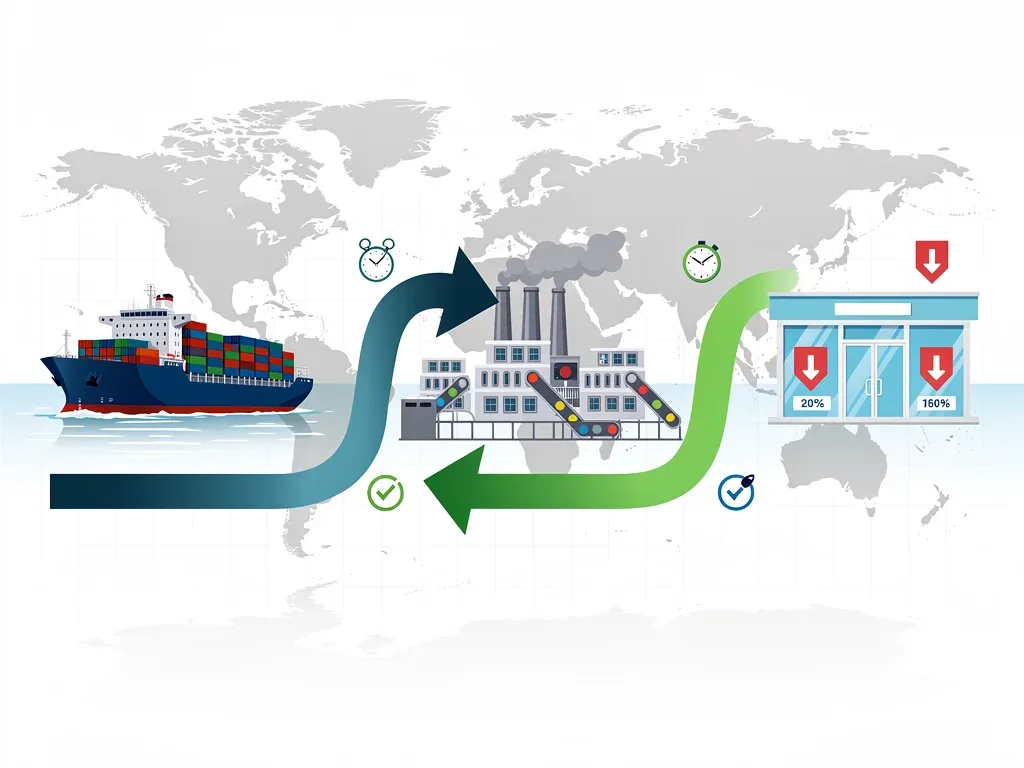
One of the most significant contributors to the recent inflationary surge was the severe disruption in global supply chains, exacerbated by the pandemic and geopolitical events. The subsequent improvements in these critical networks have played a substantial role in the U.S. inflation stabilization at 2.4%, easing cost pressures for businesses and ultimately for consumers.
During the peak of supply chain chaos, shipping costs skyrocketed, production was hampered by material shortages, and labor availability became a major constraint. These factors led to higher input costs for manufacturers and retailers, which were then passed on to consumers as increased prices. As these bottlenecks began to clear, the upward pressure on prices started to dissipate.
Easing Shipping and Logistics
The cost and efficiency of transporting goods around the world have seen remarkable improvements. Key indicators include:
- Reduced container shipping rates: Prices for shipping containers have fallen sharply from their pandemic-era highs.
- Improved port congestion: Major global ports are experiencing fewer delays and faster turnaround times.
- Increased freight capacity: More ships and trucks are available, reducing transit times and costs.
These logistical enhancements mean that products can move from factories to consumers more quickly and affordably, directly contributing to lower retail prices and helping to stabilize the CPI.
Increased Production and Inventory Levels
Factories globally have largely recovered from pandemic-related shutdowns and are now operating closer to full capacity. This has led to an increase in the supply of goods, which helps to meet consumer demand and prevent price gouging due to scarcity. Furthermore, businesses have worked to rebuild their inventories, creating a buffer against future disruptions and reducing the urgency to raise prices.
The combined effect of a more fluid global logistics network and robust production capabilities has significantly alleviated the supply-side inflationary pressures that characterized earlier periods. This normalization is a cornerstone of the broader U.S. inflation stabilization trend, providing a more predictable environment for economic activity.
Moderated Consumer Demand
While supply-side improvements and monetary policy are crucial, changes in consumer behavior also significantly influence inflation. A moderation in consumer demand, following a period of elevated spending fueled by pandemic-era savings and stimulus, has contributed to the U.S. inflation stabilization at 2.4%. When consumers spend less, businesses face less pressure to raise prices, and may even offer discounts to attract buyers.
Initially, consumers had accumulated substantial savings and, coupled with pent-up demand from lockdowns, unleashed a wave of spending that outpaced supply, driving prices upward. However, as these savings have been drawn down and economic uncertainties persist, spending habits have shifted. This shift is a natural part of the economic cycle, but its timing has been particularly impactful in the current inflationary environment.

Shifting Spending Priorities
Consumers are becoming more discerning with their purchases, prioritizing essential goods and services while scaling back on discretionary spending. This change is observable in several areas:
- Reduced demand for durable goods: Big-ticket items like electronics and appliances are seeing slower sales growth.
- Increased price sensitivity: Shoppers are more likely to compare prices and seek out deals.
- Focus on services over goods: While still strong, growth in service spending has also begun to normalize.
This rebalancing of consumer budgets provides businesses with less leeway to implement significant price increases, thereby contributing to the overall cooling of inflation.
Impact of Interest Rates on Demand
The Federal Reserve's interest rate hikes have also played a direct role in moderating consumer demand. Higher interest rates make it more expensive to finance large purchases, such as homes and cars, and increase the cost of carrying credit card debt. This financial pressure naturally leads to a slowdown in spending.
The combined effect of diminishing excess savings and the higher cost of borrowing has led to a more balanced demand-supply dynamic in the economy. This moderation in consumer demand is a critical element in achieving and sustaining the current U.S. inflation stabilization, demonstrating how various economic forces interweave to shape the overall price environment.

Energy Prices and Geopolitical Factors
Energy prices, particularly for oil and natural gas, exert a significant influence on overall inflation due to their pervasive impact on production, transportation, and consumer utility costs. The recent moderation in these prices, coupled with a relative stabilization of geopolitical tensions affecting energy supplies, has been a key factor in the U.S. inflation stabilization at 2.4%. Fluctuations in global energy markets can rapidly translate into higher or lower costs across almost every sector of the economy.
Earlier periods of high inflation were heavily impacted by spikes in crude oil prices, often driven by supply constraints or geopolitical events. As these pressures have eased, the cost of fuel for transportation and energy for manufacturing has decreased, directly reducing the input costs for businesses and subsequently the prices consumers pay for goods and services.
Oil and Gas Price Trends
Several factors have contributed to the recent stability in energy markets:
- Increased global supply: Production from major oil-producing nations has ramped up, meeting demand more effectively.
- Strategic petroleum reserve releases: Government interventions to increase supply have helped temper price surges.
- Moderated global demand: Economic slowdowns in some regions have slightly reduced overall energy consumption.
Lower gasoline prices, in particular, have a noticeable and immediate effect on the CPI, as transportation costs are a significant component of household budgets. This direct relief at the pump helps to anchor consumer inflation expectations.
Impact of Geopolitical Stability
While geopolitical risks remain, a temporary easing of severe disruptions in key energy-producing regions has also contributed to price stability. Major conflicts or political instability can quickly send shockwaves through energy markets, leading to price volatility. The absence of new, major supply-disrupting events has allowed energy markets to find a more stable equilibrium.
The interplay between global energy supply, demand, and geopolitical stability is complex, but its recent trajectory has been favorable for inflation control. The current moderation in energy prices is a significant tailwind supporting the broader trend of U.S. inflation stabilization, providing a more predictable cost environment for both businesses and consumers.
Wage Growth and Labor Market Dynamics
The labor market, particularly wage growth, is another critical component influencing inflation. While a strong labor market with rising wages is generally desirable for economic well-being, excessive wage growth can contribute to a wage-price spiral, where rising labor costs lead to higher prices, which then fuel demands for even higher wages. The current U.S. inflation stabilization at 2.4% suggests a more balanced dynamic in the labor market, where wage increases are moderating without signaling a significant weakening of employment.
For a period, a tight labor market saw employers competing fiercely for workers, leading to substantial wage increases. While beneficial for workers, this also added to businesses' operational costs, often passed on to consumers. The recent data indicates that while wages are still growing, the pace has slowed, moving closer to levels consistent with the Federal Reserve's inflation target.
Moderation in Wage Increases
Several factors are contributing to this moderation in wage growth:
- Increased labor supply: More people are re-entering the workforce, easing labor shortages.
- Reduced job openings: While still high, the number of job openings has decreased from peak levels.
- Productivity gains: Some businesses are achieving higher output per worker, absorbing wage costs more effectively.
This cooling in the pace of wage increases helps to alleviate cost-push inflationary pressures. It allows businesses to manage their expenses without resorting to aggressive price hikes, supporting overall price stability.
Balancing Employment and Inflation
The Federal Reserve closely monitors labor market indicators, including unemployment rates, job growth, and wage trends, as part of its dual mandate. The goal is to achieve maximum employment while maintaining price stability. The current moderation in wage growth, alongside a relatively robust employment picture, suggests that the economy is moving towards this desired balance.
A healthy labor market with sustainable wage growth is crucial for long-term economic prosperity. The fact that wage growth is moderating without a sharp increase in unemployment is a positive sign for the U.S. inflation stabilization effort, indicating a soft landing might be achievable as the economy adjusts to new realities.
Future Outlook and Potential Risks
While the U.S. inflation stabilization at 2.4% is a positive development, the economic landscape remains dynamic, and several factors could influence the future trajectory of prices. Understanding these potential risks and opportunities is crucial for anticipating upcoming economic shifts and for policymakers to adapt their strategies accordingly. The path to sustained price stability is rarely linear, and vigilance is always required.
Both domestic and international developments can quickly alter the inflation outlook. From evolving geopolitical situations to shifts in consumer confidence and technological advancements, a multitude of variables are at play. Maintaining inflation near the target will require careful monitoring and flexible policy responses.
Persistent Geopolitical Tensions
Global conflicts and trade disputes continue to pose risks to supply chains and commodity prices. Any escalation could lead to renewed spikes in energy and food costs, potentially reigniting inflationary pressures. For instance, disruptions in key shipping lanes or embargoes on critical resources could quickly undo progress made in supply chain improvements.
- Energy market volatility: Sudden supply shocks could drive up oil and gas prices.
- Trade policy changes: Tariffs or trade barriers could increase import costs.
- Global demand fluctuations: Economic downturns in major trading partners could impact U.S. exports and domestic prices.
These external factors are often beyond the direct control of U.S. policymakers, making them particularly challenging to mitigate.
Domestic Economic Conditions
Domestically, factors such as consumer savings rates, household debt levels, and the ongoing housing market dynamics will continue to shape demand. A resurgence in consumer spending, perhaps driven by unexpected wage gains or increased confidence, could put upward pressure on prices. Conversely, a significant economic slowdown could lead to disinflationary pressures.
The Federal Reserve's future monetary policy decisions will be critical. Whether they maintain current interest rates, opt for further cuts, or even consider hikes if inflation re-accelerates, will depend heavily on incoming economic data. The goal remains to navigate these complexities to ensure sustainable economic growth alongside price stability.
Ultimately, while the 2.4% inflation rate is encouraging, the journey toward long-term stability requires continuous assessment of both internal and external economic forces. Vigilance against potential risks and adaptability in policy will be key to maintaining this positive trend.
| Key Factor | Impact on Inflation Stabilization |
|---|---|
| Federal Reserve Policy | Interest rate hikes effectively curbed aggregate demand. |
| Global Supply Chains | Improved logistics and reduced shipping costs eased input pressures. |
| Consumer Demand | Moderated spending from consumers reduced upward price pressure. |
| Energy Prices | Stable oil and gas prices lowered transportation and production costs. |
Frequently Asked Questions About U.S. Inflation
What does U.S. inflation stabilizing at 2.4% mean for consumers?▼It means that the rate at which prices are increasing has slowed significantly. While prices are still rising, the pace is more controlled and predictable, allowing consumers to better plan their budgets and potentially face less erosion of purchasing power over time.
How does the Federal Reserve influence inflation?▼The Federal Reserve primarily influences inflation through monetary policy tools like adjusting the federal funds rate, which impacts borrowing costs and the money supply. Higher rates typically reduce demand, helping to cool inflation, while lower rates stimulate economic activity.
What role do global supply chains play in U.S. inflation?▼Global supply chains are crucial. Disruptions lead to higher production and shipping costs, which are passed to consumers as higher prices. Improvements in logistics and increased production capacity help ease these cost pressures, contributing to inflation stabilization.
Is moderated consumer demand good or bad for the economy?▼Moderated consumer demand is generally positive for combating high inflation. It reduces pressure on businesses to raise prices and allows supply to catch up. However, overly aggressive demand contraction could signal an economic slowdown, so a balance is key.
What are the main risks to continued U.S. inflation stabilization?▼Key risks include persistent geopolitical tensions impacting energy and commodity prices, unexpected shifts in global demand, and domestic economic factors like a sudden resurgence in consumer spending or significant changes in labor market dynamics. These can quickly alter the inflation outlook.
Conclusion
The stabilization of U.S. inflation stabilization at 2.4% represents a significant and welcome development for the American economy. This moderation reflects a confluence of factors, including the strategic monetary policy actions by the Federal Reserve, notable improvements in global supply chains, a measured tempering of consumer demand, and more stable energy prices. While these drivers have collectively contributed to a more predictable price environment, the economic landscape remains subject to various domestic and international influences. Continued vigilance and adaptive policy-making will be essential to sustain this positive trend and ensure long-term economic stability and growth for all Americans.
