Producer Price Index Rises 0.3%: Wholesale Cost Pressures Examined
Advertisements
The recent 0.3% increase in the Producer Price Index signals growing wholesale cost pressures, impacting the domestic supply chain and potentially leading to higher consumer prices across the United States. This rise warrants close monitoring for its ripple effects.
The latest economic data reveals that the Producer Price Index Rises 0.3%: Evaluating Wholesale Cost Pressures on the Domestic Supply Chain, a development that warrants close attention from businesses and consumers alike. This uptick in wholesale prices often serves as an early indicator of future inflation, signaling potential shifts in consumer spending and overall economic stability. Understanding the nuances of this increase is crucial for navigating the evolving economic landscape in the United States.
Understanding the Producer Price Index (PPI)
The Producer Price Index (PPI) is a critical economic indicator that measures the average change over time in the selling prices received by domestic producers for their output. It essentially tracks prices from the seller's perspective. Unlike the Consumer Price Index (CPI), which measures prices from the consumer's viewpoint, the PPI focuses on the prices of goods and services at various stages of production. This makes it an invaluable tool for economists and policymakers trying to forecast future inflation.
A rise in the PPI, even a modest 0.3% as recently reported, can have significant implications. It suggests that producers are facing higher costs for inputs, which could include raw materials, energy, labor, or transportation. These increased costs often get passed down the supply chain, eventually reaching the consumer in the form of higher retail prices. Therefore, monitoring the PPI is essential for understanding the underlying inflationary pressures in the economy.
Components of the PPI
The PPI is not a single, monolithic number; it is composed of several key components that offer a more granular view of wholesale price changes. These components are categorized by industry, commodity, and stage of processing, providing a comprehensive look at where price increases are originating.
- Industry-based PPI: Measures price changes for the output of specific industries, such as manufacturing, mining, or services.
- Commodity-based PPI: Tracks prices for specific products or product groups, regardless of the industry that produced them.
- Stage-of-processing (SOP) PPI: Divides products into three main categories: crude goods, intermediate goods, and finished goods, indicating how far along they are in the production process.
Each of these components offers unique insights. For instance, a rise in crude goods prices might signal future increases in intermediate and finished goods, as these raw materials are processed further. This layered approach allows for a more accurate assessment of inflationary trends and potential bottlenecks within the supply chain.
The recent 0.3% increase, therefore, requires a deeper dive into which specific components contributed most significantly to this rise. Was it due to a broad increase across many sectors, or was it concentrated in a few key areas? The answer to this question can help forecast the broader economic impact and inform strategic decisions for businesses and investors.
Analyzing the 0.3% Rise: Where are the Pressures Coming From?
The reported 0.3% increase in the Producer Price Index, while seemingly small, represents a significant shift in wholesale pricing dynamics. Identifying the specific sectors or commodities driving this increase is crucial for understanding its potential ripple effects throughout the economy. Often, these pressures are not uniform, originating from a confluence of factors.
Early analysis suggests a diverse set of contributors to this latest PPI surge. Energy costs, particularly for crude oil and natural gas, frequently play a substantial role, as they impact production and transportation across nearly all industries. Additionally, supply chain disruptions, whether due to geopolitical events, natural disasters, or labor shortages, can create bottlenecks that drive up the cost of components and finished goods.
Key Contributing Factors
Several factors typically contribute to an upward movement in the PPI. These can be broadly categorized into demand-side and supply-side pressures. Understanding this distinction is vital for predicting the persistence and severity of inflation.
- Raw Material Costs: Increases in the price of essential raw materials like metals, timber, or agricultural products directly translate into higher production costs for manufacturers.
- Energy Prices: Fluctuations in oil and gas prices impact everything from factory operations to freight shipping, adding to overall wholesale expenses.
- Labor Costs: Rising wages, driven by labor shortages or increased bargaining power, directly affect the cost of producing goods and services.
- Transportation and Logistics: Higher shipping rates, fuel surcharges, and port congestion can significantly inflate the cost of moving goods through the supply chain.
The interplay of these elements can create a complex web of price pressures. For example, a surge in global demand for a specific commodity, coupled with limited supply, can rapidly drive up its price, which then propagates through various industries that rely on that commodity as an input. This cascading effect is what makes PPI movements so important to track.
Pinpointing the exact sources of the 0.3% increase is essential for policymakers to formulate appropriate responses and for businesses to adjust their strategies. Without this detailed understanding, the broader implications of rising wholesale costs remain ambiguous, making effective economic planning challenging.
Impact on the Domestic Supply Chain
A rise in the Producer Price Index, particularly one driven by broad-based cost increases, inevitably exerts significant pressure on the domestic supply chain. The intricate network of suppliers, manufacturers, distributors, and retailers is highly sensitive to changes in wholesale costs. When producers face higher expenses, they must decide whether to absorb these costs, pass them on to the next link in the chain, or find ways to increase efficiency.
The 0.3% increase in the PPI suggests that businesses further up the supply chain are already feeling the pinch. This can lead to a cascade of adjustments. Manufacturers might see their profit margins squeezed if they cannot immediately pass on higher raw material or energy costs. This pressure can then translate into delayed production, reduced output, or a search for alternative, potentially cheaper, suppliers.
Supply Chain Vulnerabilities Exposed
Rising wholesale costs often highlight existing vulnerabilities within the domestic supply chain. Dependencies on single suppliers, lack of diversification in sourcing, and just-in-time inventory systems can all become liabilities when costs are on the rise.
- Increased Inventory Costs: Higher input prices mean that the cost of holding inventory also increases, putting pressure on businesses to optimize stock levels.
- Logistical Challenges: Elevated fuel prices and transportation costs make shipping more expensive, potentially leading to longer delivery times or increased surcharges for end-users.
- Supplier Relationships: Businesses may need to renegotiate contracts with suppliers, potentially straining long-standing relationships or forcing them to seek new partners.
Furthermore, smaller businesses within the supply chain are often disproportionately affected. They may have less bargaining power with suppliers and customers, making it harder to absorb rising costs or pass them on effectively. This can lead to financial instability for these critical components of the domestic economy, potentially disrupting the entire chain.
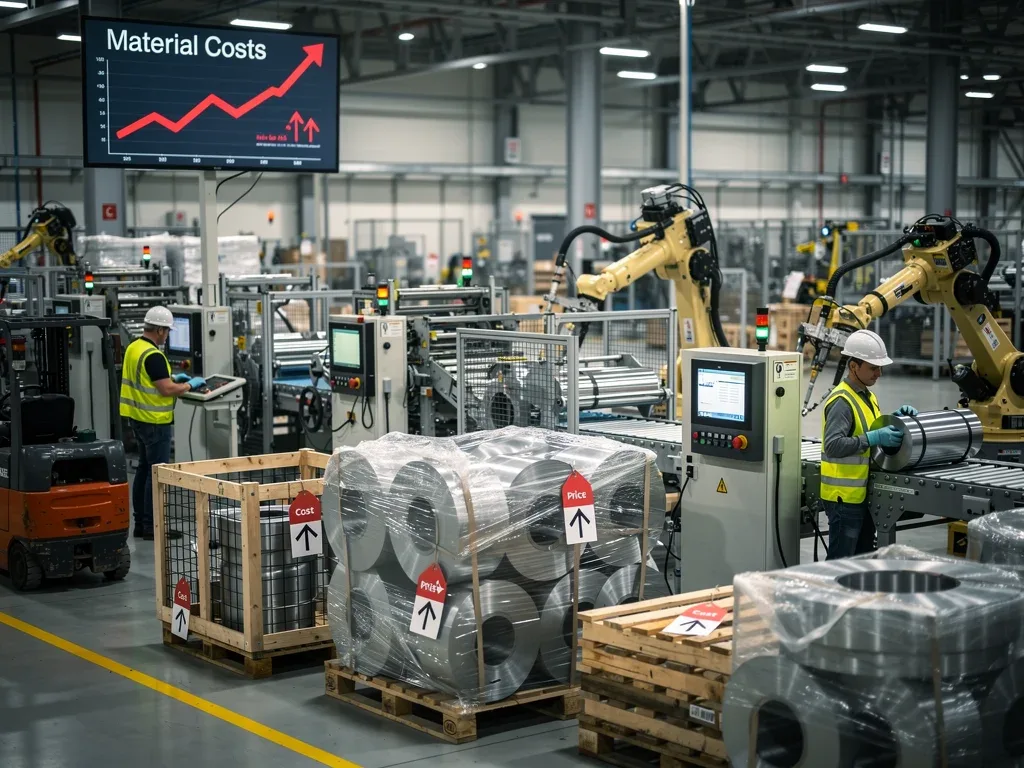
The resilience of the domestic supply chain is truly tested during periods of rising wholesale costs. Companies that have invested in diversified sourcing, robust logistics, and strong supplier relationships are better positioned to weather these inflationary pressures. For others, the 0.3% PPI rise could signal a period of significant operational adjustments and strategic re-evaluations.
The Ripple Effect: From Wholesale to Consumer Prices
The connection between wholesale cost pressures, as indicated by the Producer Price Index, and consumer prices is a fundamental aspect of economic analysis. While not always immediate or one-to-one, a sustained increase in the PPI typically foreshadows higher prices for consumers. The 0.3% rise in the PPI is a signal that businesses are paying more for their inputs, and eventually, these costs will likely be reflected in the prices consumers pay for goods and services.
This ripple effect occurs as businesses along the supply chain attempt to maintain their profit margins. When manufacturers face higher costs for raw materials or labor, they pass a portion of these costs to wholesalers. Wholesalers, in turn, pass their increased costs to retailers, who then adjust their prices for the end consumer. This process is not always linear, and various factors, such as market competition and consumer demand, can influence the extent to which these costs are absorbed or passed on.
Consumer Impact and Inflationary Concerns
The ultimate concern for consumers is the impact on their purchasing power. When consumer prices rise, households find that their money buys less, leading to a decrease in real income. This can affect everything from daily necessities to discretionary spending, influencing overall economic activity.
- Erosion of Purchasing Power: Higher prices mean that a fixed amount of income can purchase fewer goods and services, effectively reducing living standards.
- Changes in Spending Habits: Consumers may shift spending from non-essential items to essentials, or opt for cheaper alternatives, impacting various industries.
- Wage-Price Spiral Risk: If workers demand higher wages to compensate for rising prices, and businesses respond by raising prices further, a wage-price spiral could ensue, exacerbating inflation.

The 0.3% PPI increase, therefore, is not just a statistical anomaly; it is a potential harbinger of broader inflationary trends that could affect every American household. While central banks monitor the Consumer Price Index (CPI) more closely for inflation targeting, the PPI provides an early warning system, allowing for proactive measures to mitigate future price shocks.
Understanding this transition from wholesale to retail prices is crucial for both consumers planning their budgets and policymakers devising economic strategies. The goal is to manage these cost pressures effectively to ensure economic stability and protect consumer welfare from significant inflationary erosion.
Business Strategies to Mitigate Rising Wholesale Costs
In response to the Producer Price Index Rises 0.3%: Evaluating Wholesale Cost Pressures on the Domestic Supply Chain, businesses across various sectors are compelled to re-evaluate their operational and strategic approaches. Mitigating the impact of rising wholesale costs is paramount for maintaining profitability and competitive advantage. Companies that can adapt quickly and strategically will be better positioned to navigate these inflationary headwinds.
One primary strategy involves optimizing procurement. This means not just seeking the lowest price, but also ensuring supply chain resilience and diversification. Relying on a single supplier or geographic region can be risky when costs are volatile. Exploring new vendors, negotiating long-term contracts with price caps, or even investing in vertical integration to control key inputs can help stabilize costs.
Operational Adjustments and Innovation
Beyond procurement, businesses can implement a range of operational adjustments and embrace innovation to offset rising wholesale costs. Efficiency gains can directly reduce the impact of higher input prices.
- Process Optimization: Streamlining production processes, reducing waste, and improving energy efficiency can lower operational costs.
- Technology Adoption: Investing in automation and advanced analytics can enhance productivity, reduce labor costs, and provide better insights into cost drivers.
- Product Redesign: Re-evaluating product specifications to use more readily available or less expensive materials without compromising quality can be an effective strategy.
Furthermore, businesses might consider adjusting their pricing strategies. While passing on costs to consumers is an option, it must be done carefully to avoid alienating customers or losing market share. This could involve selective price increases, introducing tiered pricing models, or focusing on value-added services that justify a higher price point.
Finally, fostering strong relationships with suppliers and customers becomes even more critical during periods of cost volatility. Open communication and collaborative problem-solving can lead to mutually beneficial solutions, such as shared cost-saving initiatives or flexible payment terms. Proactive engagement rather than reactive measures can make a significant difference in how businesses weather these economic pressures.
Government and Monetary Policy Responses
When the Producer Price Index Rises 0.3%: Evaluating Wholesale Cost Pressures on the Domestic Supply Chain, it often triggers a closer examination by government bodies and central banks, particularly the Federal Reserve. These institutions have a critical role in managing economic stability, and rising wholesale costs can signal underlying inflationary pressures that require policy intervention. Their responses aim to temper inflation without stifling economic growth.
The Federal Reserve, through its monetary policy, is typically the primary responder to inflationary concerns. Its main tool is adjusting interest rates. Raising interest rates can cool down an overheating economy by making borrowing more expensive, which in turn reduces demand for goods and services. This reduction in demand can help alleviate some of the upward pressure on prices, including wholesale costs.
Fiscal and Regulatory Measures
Beyond monetary policy, governments can also employ fiscal and regulatory measures to address rising wholesale costs and their impact on the economy. These actions can be more targeted and complement the broader strokes of monetary policy.
- Supply-Side Policies: Governments can implement policies aimed at increasing supply, such as investments in infrastructure to improve logistics, or incentives for domestic production to reduce reliance on volatile international markets.
- Regulatory Adjustments: Streamlining regulations that add to production costs or impede supply chain efficiency can help reduce the burden on businesses.
- Targeted Subsidies or Tax Breaks: In specific sectors heavily impacted by rising input costs, governments might offer temporary subsidies or tax breaks to help businesses absorb some of the increases without passing them entirely to consumers.
However, policy responses must be carefully calibrated. Aggressive interest rate hikes, while effective against inflation, carry the risk of slowing economic growth too much and potentially leading to a recession. Similarly, fiscal interventions need to be well-designed to avoid unintended consequences or adding to national debt without achieving the desired economic stability.
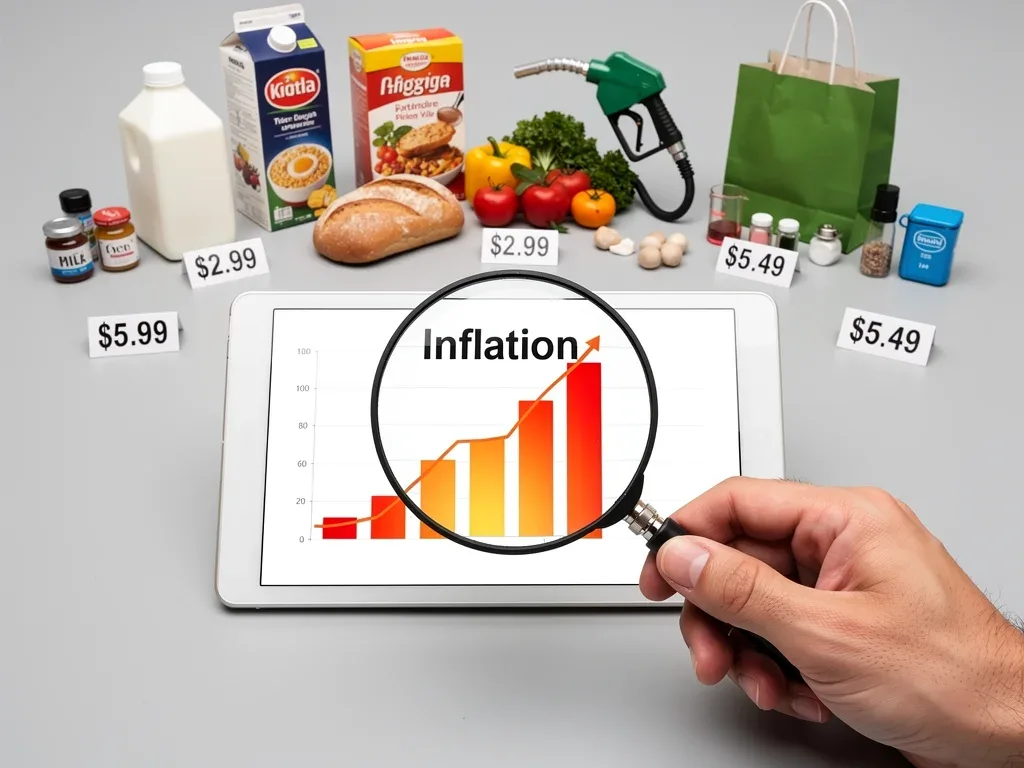
The challenge for policymakers is to strike a delicate balance: addressing the immediate concerns of rising wholesale costs and potential inflation, while also fostering an environment conducive to long-term economic health and stability. The 0.3% PPI rise serves as a crucial data point in this ongoing economic balancing act.
Future Outlook and Economic Implications
The recent 0.3% increase in the Producer Price Index, signifying growing wholesale cost pressures, prompts a forward-looking analysis of its potential long-term economic implications. While a single month's data point doesn't dictate the entire economic trajectory, it provides valuable insight into the prevailing forces shaping the market. The persistence and magnitude of these wholesale cost increases will largely determine the future outlook for both businesses and consumers in the United States.
If these pressures continue to build, we could anticipate a more pronounced inflationary environment. Businesses, unable to absorb sustained cost increases, will inevitably pass them on to consumers, leading to higher retail prices. This could erode consumer purchasing power, potentially dampening consumer demand, which is a major driver of economic growth. Conversely, if the 0.3% rise proves to be an anomaly or if supply chain issues resolve, the impact might be more contained.
Potential Scenarios and Market Reactions
Economists and market analysts are now closely watching for subsequent PPI reports, as well as other inflation indicators like the CPI, to gauge the trend. Several scenarios could unfold, each with distinct economic implications.
- Persistent Inflation: If wholesale costs continue to climb, the Federal Reserve might be compelled to adopt a more hawkish stance, potentially leading to further interest rate hikes. This could slow down economic activity and investment.
- Supply Chain Normalization: Improvements in global supply chains, such as reduced shipping costs or increased availability of raw materials, could alleviate some of the current pressures, leading to a stabilization or even a slight decrease in PPI.
- Demand-Side Cooling: A natural moderation in consumer demand, perhaps due1. to previous rate hikes or economic uncertainty, could also help temper price increases as businesses face less pressure to raise prices.
The labor market's response is another critical factor. If wage growth accelerates significantly to match rising living costs, it could feed into a wage-price spiral, making inflation more entrenched. Conversely, a stable labor market with moderate wage growth might help keep inflationary pressures in check.
Ultimately, the 0.3% PPI rise serves as a reminder of the dynamic and interconnected nature of the global and domestic economies. Businesses need to remain agile, consumers need to be prepared for potential price adjustments, and policymakers must continue to monitor data closely to make informed decisions that promote long-term economic stability and growth. The coming months will be crucial in determining whether this rise is a temporary blip or a signal of more enduring inflationary challenges.
| Key Point | Brief Description |
|---|---|
| PPI Increase | The Producer Price Index rose by 0.3%, indicating higher wholesale costs for businesses. |
| Supply Chain Impact | Rising wholesale costs put pressure on the domestic supply chain, affecting production and logistics. |
| Consumer Price Outlook | Wholesale cost increases often translate into higher consumer prices, impacting purchasing power. |
| Mitigation Strategies | Businesses are adopting strategies like process optimization and diversified sourcing to manage costs. |
Frequently Asked Questions About Wholesale Cost Pressures
What does the Producer Price Index (PPI) measure?▼The PPI measures the average change over time in the selling prices received by domestic producers for their output. It tracks prices at the wholesale level, providing insight into inflationary pressures before they reach consumers.
How does a 0.3% PPI rise affect businesses?▼A 0.3% PPI rise means businesses face higher costs for raw materials, energy, and other inputs. This can squeeze profit margins, forcing companies to either absorb costs, find efficiencies, or pass increases to customers.
Will this PPI increase lead to higher consumer prices?▼Typically, a sustained rise in the PPI foreshadows higher consumer prices (CPI). Businesses often pass increased wholesale costs down the supply chain to maintain profitability, eventually impacting retail prices for consumers.
What are the main drivers of wholesale cost pressures?▼Key drivers include increases in raw material costs, energy prices, labor expenses, and transportation/logistics costs. Supply chain disruptions and global demand shifts also play significant roles in these pressures.
What can policymakers do to address rising wholesale costs?▼Policymakers, primarily the Federal Reserve, can adjust interest rates to manage demand. Governments can also implement supply-side policies, regulatory adjustments, or targeted subsidies to mitigate cost pressures and stabilize the economy.
Conclusion
The 0.3% increase in the Producer Price Index serves as a crucial signal of escalating wholesale cost pressures within the domestic supply chain. This movement underscores the dynamic nature of economic forces, indicating that businesses are contending with higher input costs, which are likely to translate into adjustments further down the line. Understanding these shifts is not merely an academic exercise; it is essential for informed decision-making by businesses, strategic planning by policymakers, and prudent financial management by consumers. As the economic landscape continues to evolve, ongoing vigilance and adaptive strategies will be paramount to navigate the potential impacts of these rising wholesale costs and maintain overall economic stability.
