Freight Transportation Services Index Drops 1.2%: U.S. Logistics Warnings
Advertisements
The recent 1.2% drop in the Freight Transportation Services Index (FTSI) serves as a critical economic warning, reflecting a contraction in U.S. logistics volume and hinting at broader economic shifts.
The recent announcement that the Freight Transportation Services Index Drops 1.2%: Key Economic Warnings for U.S. Logistics Volume has sent ripples through economic circles. This seemingly minor fluctuation in a key economic indicator often provides an early warning sign for the broader health of the U.S. economy. Understanding the implications of this decline is crucial for businesses, policymakers, and consumers alike, as it can foreshadow shifts in manufacturing, retail, and overall economic activity.
understanding the freight transportation services index (ftsi)
The Freight Transportation Services Index (FTSI) is more than just a number; it's a vital barometer of economic activity. Compiled by the Bureau of Transportation Statistics (BTS), this index measures the month-to-month changes in the output of the for-hire freight transportation industry. Its comprehensive scope includes trucking, rail, air freight, inland waterways, pipelines, and even couriers, making it an invaluable tool for gauging the movement of goods across the nation. A drop in this index, such as the recent 1.2% decline, signals a reduction in the volume of goods being transported, which can have cascading effects throughout the economy.
what the ftsi measures
The FTSI captures the aggregated output of various freight modes. This breadth ensures that the index provides a holistic view of the freight sector, rather than focusing on just one segment. By tracking the physical movement of goods, it offers insights into production, consumption, and inventory levels. When the FTSI declines, it often suggests that businesses are shipping fewer products, potentially due to reduced demand, overstocked inventories, or a slowdown in manufacturing output.
- Trucking: Accounts for the largest share of freight movement, reflecting consumer spending and industrial production.
- Rail: Crucial for bulk commodities and intermodal containers, indicating activity in heavy industries.
- Air Freight: Signifies high-value or time-sensitive goods, often linked to e-commerce and global supply chains.
- Waterways and Pipelines: Important for raw materials and energy, showing fundamental industrial demand.
The FTSI's ability to aggregate data from these diverse sources provides a robust and reliable indicator. Its movements are often seen as leading indicators for other economic metrics, offering a glimpse into future economic trends. A sustained decline in the FTSI could suggest a broader economic contraction is on the horizon, making the recent 1.2% drop a point of considerable interest for economists and analysts.
In essence, the FTSI acts as a pulse check for the nation's logistical arteries. Its comprehensive measurement of freight activity across multiple modes allows for a nuanced understanding of the underlying economic currents. The recent dip, therefore, necessitates a closer look at what factors might be contributing to this slowdown and what it portends for the U.S. economic landscape.
deciphering the 1.2% drop: immediate implications
A 1.2% drop in the Freight Transportation Services Index might seem modest, but in the context of economic indicators, it's a noteworthy contraction. This decline immediately suggests a reduction in the volume of goods being moved across the United States. Such a decrease can stem from several factors, each with its own set of implications for businesses and the wider economy. It points to a potential cooling in demand, an accumulation of inventories, or a cautious approach by businesses in their shipping schedules.
impact on supply chains
The most direct impact of a reduced FTSI is felt within supply chains. When less freight is moving, it can indicate a decrease in orders from retailers to manufacturers, or a slowdown in raw material shipments to production facilities. This can lead to:
- Reduced operational efficiency: Fewer loads mean less optimized routes and potentially higher per-unit shipping costs.
- Inventory adjustments: Businesses may already have sufficient stock, reducing the need for new shipments.
- Labor market effects: A sustained decline could lead to fewer hours for transportation workers or even job reductions.
These immediate implications are not isolated; they often ripple through various sectors. For instance, a slowdown in manufacturing due to decreased freight volumes can affect employment in factories, which in turn impacts consumer spending. The interconnected nature of the economy means that a contraction in one area, like freight transportation, can quickly spread to others.
Furthermore, this drop could influence pricing strategies. With less demand for freight services, transportation companies might engage in more competitive pricing to secure available loads, potentially impacting their profit margins. Conversely, businesses that rely on shipping might see some relief in transportation costs, though this benefit could be overshadowed by reduced sales volumes. The 1.2% decline serves as a prompt for businesses to reassess their logistical strategies and inventory management in anticipation of potential further shifts.
The immediate implications of this FTSI dip are multifaceted, touching upon operational, financial, and labor aspects of the economy. It underscores the sensitivity of the freight sector to broader economic conditions and highlights its role as an early warning system for market shifts. Businesses that proactively analyze these trends can better position themselves to navigate potential economic headwinds.
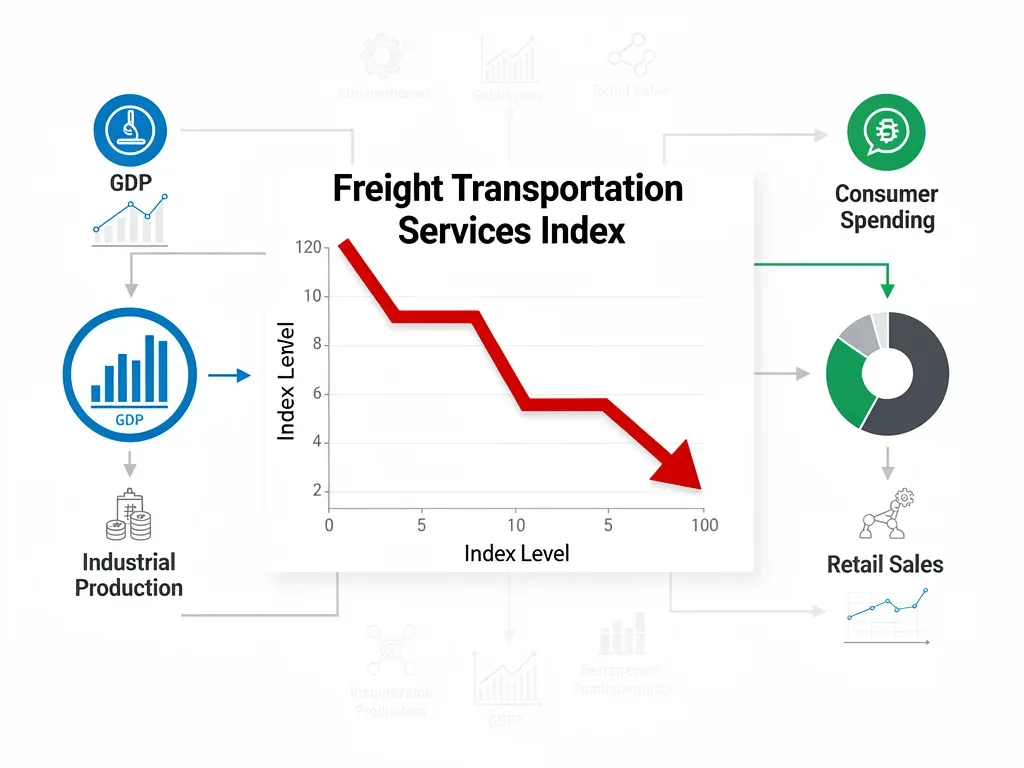
underlying causes: why the freight volume is shrinking
Understanding the immediate implications is one thing, but delving into the underlying causes of a shrinking freight volume provides a more complete picture. The 1.2% drop in the FTSI is rarely an isolated event; it's typically a symptom of broader economic forces at play. Several factors could be contributing to this decline, ranging from shifts in consumer behavior to global economic conditions and domestic policy changes. Pinpointing these causes is essential for forecasting future trends and developing effective strategies.
key contributing factors
One of the primary drivers of freight volume is consumer demand. If consumers are spending less, particularly on goods that require transportation, then freight activity will naturally decline. This could be due to inflationary pressures reducing purchasing power, higher interest rates deterring big-ticket purchases, or a general sense of economic uncertainty leading to increased savings rather than spending.
- Softening Consumer Demand: Reduced spending on durable goods and non-essential items directly impacts freight volume.
- Inventory Corrections: Businesses may have built up excessive inventories during previous periods of supply chain disruptions, now needing to clear stock before ordering new shipments.
- Manufacturing Slowdown: A decrease in industrial production means fewer finished goods and raw materials needing to be transported.
- Global Economic Headwinds: International trade slowdowns can reduce the volume of imports and exports, affecting domestic freight movements as well.
Another significant factor could be an ongoing inventory correction cycle. Many businesses overstocked during the pandemic-driven supply chain disruptions, leading to bloated warehouses. As demand normalizes or even softens, these companies are now working to reduce their existing stock before placing new orders, thereby decreasing the need for new freight. This cycle can take several quarters to play out, contributing to sustained lower freight volumes.
Furthermore, a slowdown in manufacturing output, often a precursor to broader economic contractions, directly translates to less freight. If factories are producing fewer goods, there are fewer items to ship to distribution centers and retailers. This can be influenced by reduced business investment, higher input costs, or a general lack of confidence in future demand. The interplay of these factors creates a complex web of influences on the FTSI, making a simple explanation often insufficient. Analyzing these multifaceted causes is crucial for policymakers and businesses to formulate targeted responses and prepare for potential economic shifts. The 1.2% drop serves as a stark reminder of the intricate connections within the U.S. economy.
economic warnings: broader implications for the u.s. economy
The Freight Transportation Services Index (FTSI) is often regarded as a bellwether for the U.S. economy, and a 1.2% drop in its value extends beyond the logistics sector, signaling broader economic warnings. When the movement of goods slows down, it frequently precedes or accompanies shifts in other critical economic indicators. This makes the recent decline a point of concern for economists, policymakers, and businesses across various industries, as it could foreshadow a period of slower growth, or even contraction.
potential impact on gdp and employment
A sustained reduction in freight volume can directly influence the Gross Domestic Product (GDP). Freight transportation is an integral part of the economic engine; if less is being transported, it suggests a decrease in production, consumption, or investment. This deceleration can translate into lower GDP growth figures in subsequent quarters. Moreover, the employment sector is highly susceptible to these shifts.
- Job losses: Reduced demand for freight services can lead to layoffs or reduced hours for truck drivers, warehouse staff, and other logistics personnel.
- Hiring freezes: Companies might halt new hiring as they brace for a potential economic downturn.
- Wage stagnation: Increased competition for fewer jobs could put downward pressure on wages in the transportation and logistics sectors.
The ripple effect can extend to manufacturing, retail, and even service industries that rely on the efficient movement of goods. For example, if retailers receive fewer shipments, their sales might decline, leading to reduced staffing needs. This interconnectedness highlights why the FTSI is monitored so closely as an early indicator of economic health.
Furthermore, a slowdown in freight activity can influence consumer confidence. If news of economic contraction or job losses becomes widespread, consumers may become more cautious with their spending, creating a self-reinforcing cycle of reduced demand. Businesses, in turn, might delay expansion plans or investment in new equipment, further dampening economic activity. The 1.2% drop in the FTSI, therefore, serves as a crucial signal that requires careful monitoring and analysis to understand its full potential impact on the U.S. economy's trajectory in the coming months. It prompts a reevaluation of current economic forecasts and a heightened sense of vigilance among economic stakeholders.

sector-specific analysis: who feels the pinch most?
While a decline in the Freight Transportation Services Index affects the overall economy, its impact is not uniformly distributed. Certain sectors are inherently more sensitive to shifts in freight volume and will feel the pinch more acutely than others. Understanding these sector-specific vulnerabilities is crucial for targeted policy responses and for businesses to prepare for potential challenges. The recent 1.2% drop will undoubtedly create varying degrees of pressure across the U.S. logistics landscape.
vulnerable industries and regions
The trucking industry, being the backbone of U.S. freight movement, is often the first to experience the effects of a downturn. Independent owner-operators and smaller trucking companies, with less financial cushion, can be particularly vulnerable to reduced loads and tighter margins. Similarly, industries heavily reliant on just-in-time inventory systems, such as automotive manufacturing, can face significant disruptions if freight reliability or volume drops.
- Trucking and Logistics Companies: Direct impact on revenue, capacity utilization, and employment.
- Manufacturing Sector: Reduced inbound raw materials and outbound finished goods, affecting production schedules.
- Retail and Wholesale Trade: Lower inventory turnover and potential for increased storage costs if goods aren't selling.
- Ports and Intermodal Facilities: Decreased container traffic and handling volumes, impacting operational efficiency.
Geographically, regions with a high concentration of manufacturing or distribution centers are likely to experience a more pronounced impact. For example, industrial hubs in the Midwest or major port cities on the coasts could see a significant slowdown in activity. The decline in freight volume can also exacerbate existing challenges in specific regions, such as areas already struggling with economic diversification or a reliance on single industries.
Moreover, the ripple effect can extend to support services surrounding these industries, including equipment suppliers, maintenance providers, and even financial institutions specializing in logistics. These businesses may see reduced demand for their services as their clients scale back operations. The 1.2% drop in the FTSI serves as a clear indicator that a careful, sector-by-sector assessment is necessary to understand the full scope of its economic ramifications. It highlights the need for adaptability and resilience within these vulnerable industries to navigate the shifting economic tides effectively.
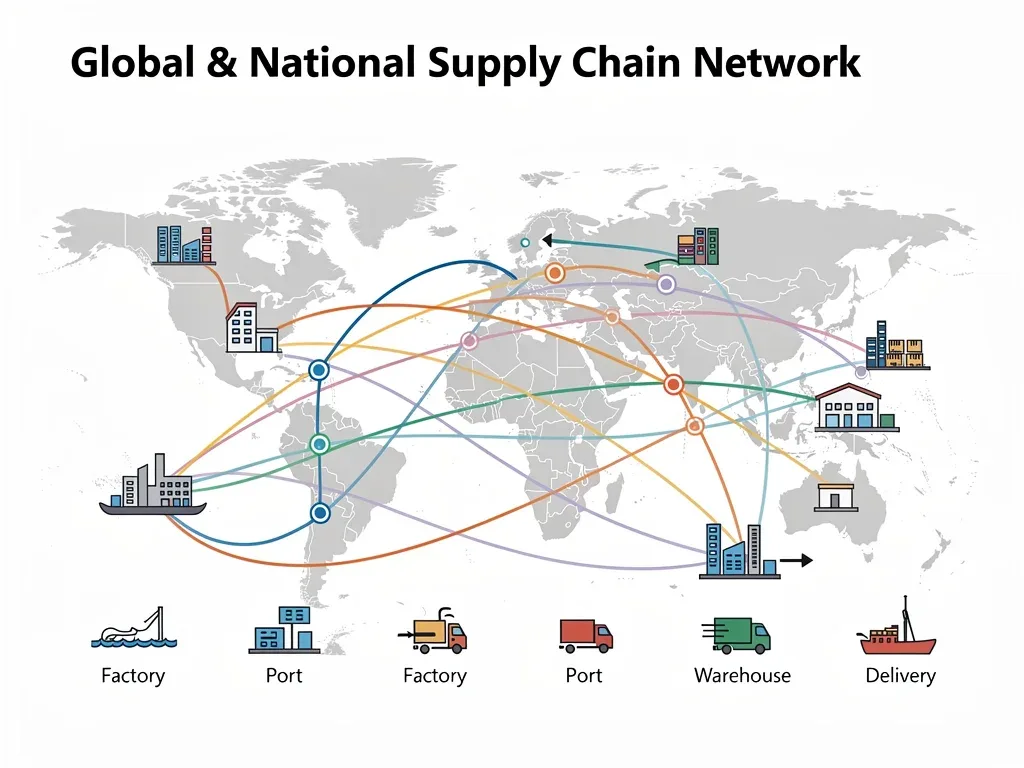
navigating the downturn: strategies for businesses and policymakers
In light of the 1.2% drop in the Freight Transportation Services Index, both businesses and policymakers must consider proactive strategies to navigate a potential economic downturn. A reactive approach could lead to more significant challenges, whereas foresight and strategic planning can mitigate the adverse effects. The current economic climate demands adaptability, innovation, and a clear understanding of potential future scenarios to maintain stability and foster recovery.
business resilience and government response
For businesses, particularly those in logistics, manufacturing, and retail, enhancing resilience is paramount. This involves optimizing supply chains for efficiency and flexibility, diversifying customer bases, and carefully managing inventory levels to avoid overstocking. Investing in technology that provides better visibility into freight movements and demand forecasting can also offer a competitive edge during uncertain times.
- Supply Chain Optimization: Streamlining routes, consolidating shipments, and exploring alternative transportation modes.
- Financial Prudence: Maintaining healthy cash reserves, managing debt, and seeking operational cost efficiencies.
- Workforce Flexibility: Training employees for multiple roles and exploring flexible staffing models to adapt to fluctuating demand.
- Market Diversification: Expanding into new markets or product lines to reduce reliance on single revenue streams.
Policymakers, on the other hand, have a crucial role in providing a supportive economic environment. This might include targeted infrastructure investments to improve freight efficiency, offering incentives for businesses to adopt new technologies, or implementing measures to stimulate consumer demand. Maintaining open lines of communication with industry leaders can also help in understanding real-time challenges and crafting effective solutions.
Furthermore, government agencies can focus on strengthening economic data collection and analysis to provide more timely and granular insights into freight movements and broader economic trends. This enhanced data can inform more precise policy interventions and help businesses make better-informed decisions. The 1.2% FTSI drop underscores the importance of a collaborative approach, where businesses and policymakers work hand-in-hand to build a more resilient and adaptable economic framework, ensuring that the U.S. logistics volume can rebound effectively from current challenges.
looking ahead: future outlook for u.s. logistics volume
The 1.2% drop in the Freight Transportation Services Index naturally prompts questions about the future outlook for U.S. logistics volume. While the immediate implications suggest caution, the long-term trajectory is subject to various factors, including global economic recovery, domestic policy decisions, technological advancements, and evolving consumer habits. Predicting the exact path is challenging, but by analyzing potential drivers and headwinds, we can form a more informed perspective on what lies ahead for the freight sector.
factors influencing recovery and growth
Several elements will play a critical role in shaping the recovery and future growth of U.S. logistics volume. A rebound in consumer spending, particularly on goods, would be a primary catalyst. As inflation eases and economic certainty improves, consumers may feel more confident in making purchases, directly boosting demand for freight services. Similarly, a resurgence in manufacturing activity, driven by increased business investment or reshoring initiatives, would significantly contribute to higher freight volumes.
- Consumer Spending Rebound: Increased purchasing power and confidence leading to higher demand for goods.
- Manufacturing Resurgence: Growth in domestic production requiring more raw material and finished goods transport.
- Infrastructure Investment: Government spending on roads, bridges, and ports improving freight efficiency and capacity.
- Technological Innovation: Adoption of automation, AI, and data analytics to optimize logistics operations and drive growth.
Technological advancements are also set to transform the logistics landscape. Innovations in automation, artificial intelligence, and data analytics can lead to more efficient route planning, optimized warehouse operations, and better demand forecasting, potentially increasing the overall capacity and responsiveness of the freight system. Furthermore, ongoing investments in infrastructure, such as improved roads, rail networks, and port facilities, will be crucial for supporting higher volumes and reducing transit times.
However, potential headwinds remain, including ongoing geopolitical tensions, persistent inflationary pressures, and the potential for new supply chain disruptions. The shift towards a more service-oriented economy could also temper the growth of goods-based freight. Despite these challenges, the U.S. logistics sector has historically demonstrated remarkable resilience and adaptability. The 1.2% FTSI drop serves as a reminder of the dynamic nature of the economy, but also as an impetus for innovation and strategic planning that can position the sector for sustainable growth in the long term, ensuring its vital role in the nation's economic health.
| Key Point | Brief Description |
|---|---|
| FTSI Drop Significance | A 1.2% decline in the Freight Transportation Services Index signals reduced U.S. logistics volume, often preceding broader economic shifts. |
| Economic Implications | Suggests softening consumer demand, inventory corrections, and a potential slowdown in GDP and employment growth. |
| Vulnerable Sectors | Trucking, manufacturing, and retail are particularly sensitive to freight volume changes, facing direct operational and financial pressures. |
| Future Outlook | Recovery hinges on consumer spending, manufacturing resurgence, infrastructure investments, and technological advancements in logistics. |
frequently asked questions about freight logistics and economic health
What is the Freight Transportation Services Index (FTSI) and why is it important?▼The FTSI measures month-to-month changes in the output of the for-hire freight transportation industry across all modes. It's crucial because it acts as a leading economic indicator, providing early insights into shifts in production, consumption, and overall economic health before other data becomes available.
What does a 1.2% drop in the FTSI signify for the U.S. economy?▼A 1.2% drop typically signifies a contraction in the volume of goods being transported, indicating reduced demand, inventory adjustments, or a slowdown in manufacturing. This can foreshadow broader economic deceleration, impacting GDP, employment, and various industries across the nation.
Which sectors are most affected by a decline in freight volume?▼The trucking industry is immediately impacted due to direct reliance on freight loads. Manufacturing sectors experience disruptions in raw material and finished goods transport. Retail and wholesale trade also feel the effects through slower inventory turnover and potential sales declines.
How can businesses prepare for a potential logistics downturn?▼Businesses can prepare by optimizing supply chains for efficiency and flexibility, diversifying customer bases, carefully managing inventory, and investing in technology for better demand forecasting. Maintaining strong financial reserves and exploring workforce flexibility are also key strategies for resilience.
What role do government policies play in mitigating freight volume declines?▼Government policies can mitigate declines through infrastructure investments to improve freight efficiency, offering incentives for technological adoption, and implementing measures to stimulate consumer demand. Clear communication with industry leaders is vital for responsive and effective policy interventions.
conclusion
The recent 1.2% drop in the Freight Transportation Services Index is a significant economic signal that demands attention. Far from being an isolated event, this contraction in U.S. logistics volume provides crucial warnings about potential shifts in consumer demand, manufacturing output, and overall economic growth. While the immediate implications suggest a period of caution, this moment also presents an opportunity for businesses and policymakers to implement proactive strategies, enhance resilience, and foster innovation. By understanding the underlying causes and preparing for future scenarios, the U.S. economy can navigate these challenges and position its vital logistics sector for a robust and sustainable recovery.
