National Unemployment Holds at 3.9%: Labor Force Changes Analyzed
Advertisements
The national unemployment rate maintains a stable 3.9%, necessitating a thorough examination of the underlying shifts in labor force participation to comprehend their broader economic implications this quarter.
The latest economic reports indicate that the national unemployment holds at 3.9%: analyzing labor force participation changes this quarter reveals a nuanced picture of the American job market. While the headline number appears stable, a closer look at who is entering and exiting the workforce provides crucial insights into the health and direction of the economy. What do these shifts truly tell us about the current state of employment and future economic prospects?
Understanding the 3.9% Unemployment Rate
The steadfastness of the national unemployment rate at 3.9% often leads to a sense of economic stability. This figure, while important, represents a snapshot and doesn't always capture the full dynamism of the labor market. It's a key indicator that economists and policymakers watch closely, but its interpretation requires delving deeper into the underlying components.
A 3.9% unemployment rate is generally considered healthy, signaling a robust demand for labor. Historically, rates at or below 4% are indicative of a tight labor market where employers might find it challenging to fill open positions. This can lead to upward pressure on wages, which is generally beneficial for workers but can also contribute to inflationary pressures if not balanced with productivity gains.
Definition and Calculation
The unemployment rate is defined as the percentage of the total labor force that is unemployed but actively seeking employment. It's crucial to understand that this definition excludes individuals who are not actively looking for work, such as retirees, students, or those who have become discouraged and stopped searching. This distinction is vital when assessing the true capacity and engagement of the potential workforce.
- Labor Force: Comprises all employed persons and unemployed persons actively seeking work.
- Unemployed: Individuals without a job, available for work, and actively seeking employment within the past four weeks.
- Not in Labor Force: Those not employed and not actively seeking employment.
The stability of the 3.9% rate suggests that the number of people finding jobs is roughly balancing out the number of people losing jobs or entering the workforce. This equilibrium is a delicate one, influenced by various economic forces and policy decisions. Understanding this balance is key to anticipating future economic trends and their impact on everyday Americans.
In conclusion, while the 3.9% unemployment rate provides a reassuring top-line figure, its true significance emerges when we analyze the demographic and behavioral changes within the labor force. This stability doesn't imply stagnation but rather a complex interplay of forces that warrant further investigation to fully grasp the economic landscape.
Key Shifts in Labor Force Participation
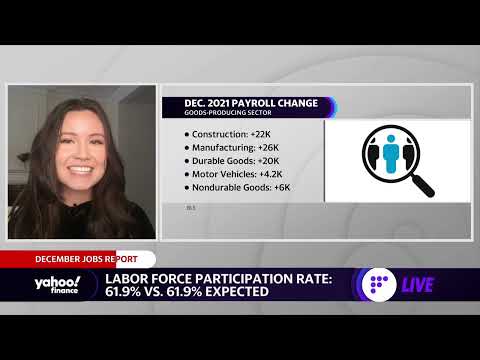
Beyond the headline unemployment rate, the changes in labor force participation offer a more granular view of the economy's underlying health. Labor force participation refers to the percentage of the working-age population that is either employed or actively looking for work. Fluctuations in this rate can indicate significant demographic or economic shifts.
This quarter has seen notable movements in who is participating in the workforce, reflecting both challenges and opportunities. Understanding these shifts is essential for policymakers to create targeted interventions and for businesses to anticipate future labor supply. The overall trend in participation can mask divergent patterns among different age groups, genders, and educational backgrounds.
Demographic Influences on Participation
Several demographic factors are currently influencing labor force participation. For instance, the aging population continues to exert downward pressure on the overall participation rate as more individuals enter retirement. However, there are also counteracting forces, such as increased participation among older workers who choose to work past traditional retirement age, often due to financial necessity or a desire to remain engaged.
- Older Workers: A continued trend of individuals aged 55 and over remaining in or re-entering the workforce.
- Younger Adults: Fluctuations in participation tied to educational pursuits and entry-level job market conditions.
- Women's Participation: Ongoing discussions around childcare availability and flexible work arrangements impacting female labor force engagement.
Furthermore, shifts in educational attainment and skill requirements are playing a role. Individuals with higher levels of education tend to have higher participation rates, and the demand for specialized skills continues to shape the composition of the workforce. The pandemic also accelerated trends in remote work, which may be influencing who can participate and from where.
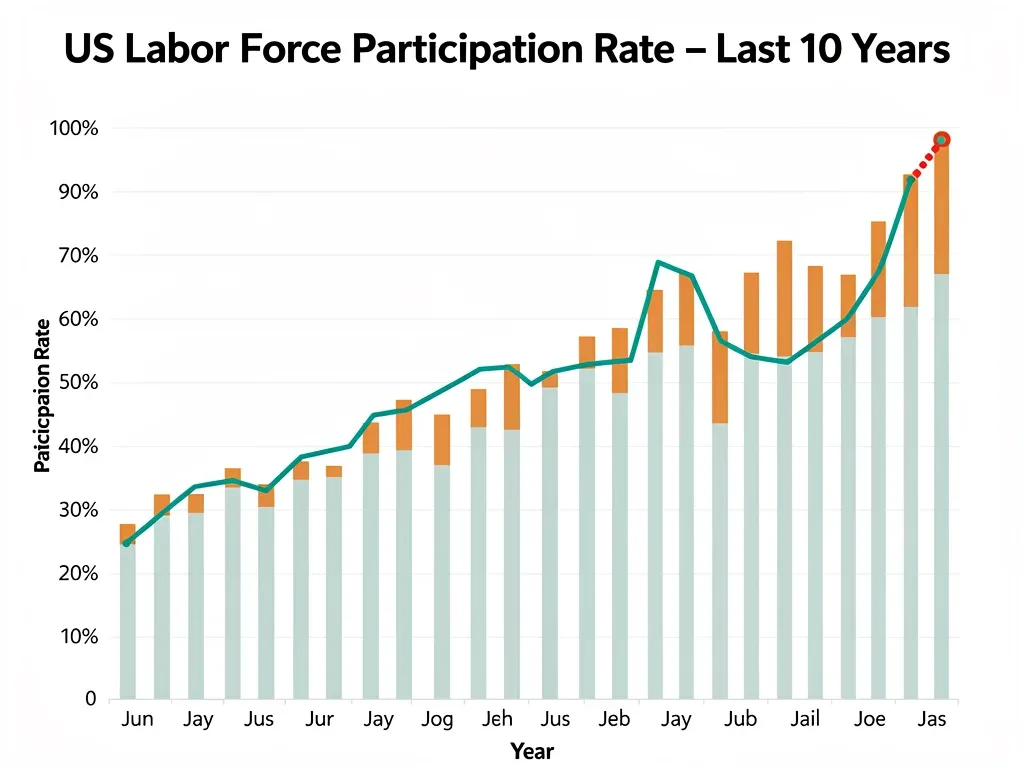
In summary, the changes in labor force participation are a complex mosaic of demographic trends, societal shifts, and economic incentives. These movements are more indicative of long-term economic health than the unemployment rate alone, providing a deeper understanding of the nation's productive capacity.
Sectoral Analysis: Where is the Growth Happening?
To truly comprehend the stability of the 3.9% unemployment rate, it's vital to examine which sectors are experiencing growth and where employment might be contracting. The aggregate numbers can often obscure significant disparities across industries, with some sectors thriving while others face headwinds. This sectoral analysis provides a more detailed picture of the job market's underlying dynamics.
This quarter has shown a varied landscape across different industries. Some sectors, particularly those that adapted well to post-pandemic consumer behaviors and technological advancements, have continued to expand their workforces. Conversely, sectors facing structural changes or reduced demand might be shedding jobs or experiencing slower growth.
Leading Growth Sectors
Technology and healthcare continue to be strong drivers of job creation. The demand for digital services, software development, and cybersecurity professionals remains high, fueled by ongoing innovation and the digital transformation of businesses. Similarly, an aging population and advancements in medical science ensure a steady, if not growing, need for healthcare workers across various specializations.
- Technology: Robust demand for software engineers, data scientists, and IT support.
- Healthcare: Continuous growth in nursing, home health aid, and medical research roles.
- Professional and Business Services: Expansion in consulting, accounting, and administrative support.
Manufacturing has also shown resilience in certain segments, particularly those involving advanced technologies and specialized production. The construction sector, despite some fluctuations, also continues to contribute to job growth, driven by infrastructure projects and housing demand in various regions.
On the other hand, some sectors, such as retail and hospitality, are undergoing significant transformations. While they are recovering from previous downturns, automation and changing consumer preferences are reshaping the types of jobs available and the skills required. The shift towards e-commerce, for example, has impacted traditional brick-and-mortar retail employment.
In conclusion, the stability of the national unemployment rate is supported by strong job growth in key sectors like technology and healthcare, which effectively offset slower growth or contractions elsewhere. This diverse sectoral performance underscores the adaptive nature of the American economy.
Impact of Remote Work and Flexibility
The widespread adoption of remote work and flexible arrangements has fundamentally reshaped the labor market, influencing both labor force participation and unemployment dynamics. This seismic shift, accelerated by recent global events, has profound implications for how and where people work, impacting everything from commuting patterns to office space demand.
For many, the ability to work remotely has opened up new opportunities, allowing individuals to participate in the workforce who might have previously faced barriers, such as geographical constraints or caregiving responsibilities. This increased flexibility is a significant factor in understanding current labor force trends and will likely continue to evolve.
Benefits of Flexible Work
Remote and hybrid work models offer numerous advantages for both employees and employers. For employees, it can lead to improved work-life balance, reduced commuting stress and costs, and greater autonomy over their work environment. For employers, it can broaden the talent pool, reduce overhead costs associated with physical office space, and potentially increase employee satisfaction and retention.
- Increased Access to Talent: Employers can recruit from a wider geographical area, not limited by proximity to an office.
- Enhanced Work-Life Balance: Employees report better integration of personal and professional responsibilities.
- Reduced Commuting: Less time and money spent on daily travel, leading to higher disposable income and more free time.
- Improved Productivity: Some studies suggest that remote workers can be more productive due to fewer distractions and a personalized work setting.
However, the transition to remote work also presents challenges, including potential issues with team cohesion, digital security risks, and the need for robust technological infrastructure. Not all jobs can be done remotely, leading to a divide between those with flexible options and those in essential in-person roles.
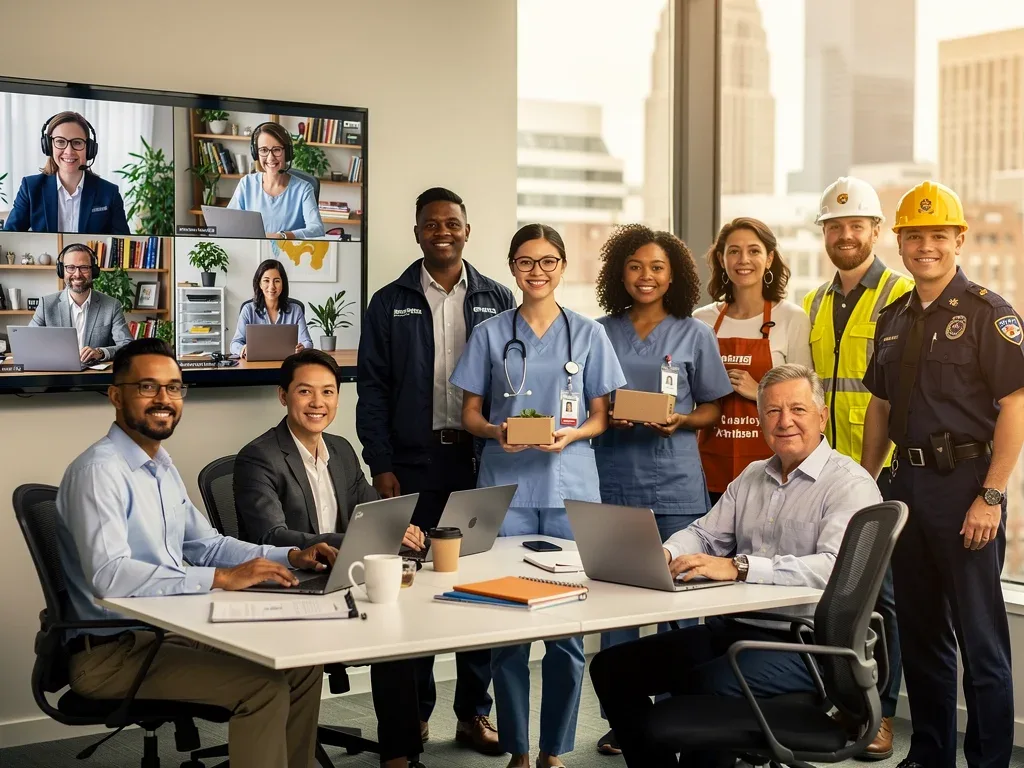
Ultimately, the rise of remote work and increased flexibility is a transformative force in the labor market. It's contributing to the evolving landscape of labor force participation by enabling a broader range of individuals to engage in paid employment, while also posing new questions about the future of traditional workplaces.
Wage Growth and Inflationary Pressures
The consistent 3.9% national unemployment rate, indicative of a tight labor market, naturally brings the discussion of wage growth and its potential impact on inflation to the forefront. In a scenario where labor demand outstrips supply, employers often resort to offering higher wages to attract and retain talent. While beneficial for workers, this can have broader economic consequences.
Understanding the interplay between wage growth and inflation is critical for assessing the overall health of the economy. Sustained wage increases without corresponding gains in productivity can lead to businesses raising prices to cover higher labor costs, potentially fueling an inflationary spiral. This is a delicate balance that central banks, like the Federal Reserve, constantly monitor.
Current Trends in Wage Growth
Recent data indicates moderate wage growth across many sectors, particularly those experiencing labor shortages. This growth is a welcome development for many households, helping to offset the rising cost of living. However, the extent to which these wage gains are outpacing inflation is a key metric.
- Above-Average Increases: Certain high-demand professions, especially in tech and skilled trades, are seeing significant wage bumps.
- Cost of Living Adjustments: Many companies are implementing adjustments to help employees cope with inflation, though these might not always keep pace.
- Productivity vs. Wages: The crucial economic debate centers on whether wage growth is matched by increased worker productivity.
Economists are closely watching whether current wage increases are a temporary adjustment to a post-pandemic economy or a more sustained trend. If wage growth becomes embedded without commensurate productivity improvements, it could make the Federal Reserve's task of bringing inflation back to its target more challenging.
In conclusion, the tight labor market, evidenced by the stable unemployment rate, is contributing to wage growth. While this benefits workers, the potential for these increases to fuel inflationary pressures remains a significant concern for economic stability, requiring careful monitoring and policy responses.
Future Outlook and Policy Implications
Looking ahead, the sustained 3.9% national unemployment rate and the evolving dynamics of labor force participation have significant implications for future economic policy. The current stability, combined with the underlying shifts, presents both opportunities and challenges that policymakers must address to ensure continued economic growth and stability.
The policy landscape will need to adapt to these changes, focusing on fostering an environment that supports both employment growth and sustainable wage increases without triggering excessive inflation. This involves a multi-faceted approach, considering everything from education and training to monetary and fiscal policies.
Anticipated Trends and Challenges
Several trends are expected to shape the future of the labor market. Automation and artificial intelligence will continue to transform job roles, requiring a workforce with adaptable skills. Demographic shifts, including an aging population, will also necessitate policies that encourage labor force participation among various age groups and support lifelong learning.
- Skill Development: Increasing emphasis on reskilling and upskilling programs to meet evolving job market demands.
- Demographic Shifts: Policies to support older workers and integrate new demographics into the labor force.
- Technological Integration: Strategies to leverage AI and automation for productivity gains while managing job displacement concerns.
Furthermore, the ongoing debate around work flexibility and remote options will likely continue to influence labor market structures. Policymakers will need to consider how to support these new work models while ensuring equitable access and protecting worker rights. The balance between flexibility and security will be a key area of focus.
Monetary policy, guided by inflation and employment targets, will remain crucial. The Federal Reserve will likely continue to navigate the delicate path of managing inflation while preserving the gains in employment. Fiscal policies, such as investments in infrastructure and education, can also play a vital role in enhancing long-term productivity and labor force health.
In summary, the future outlook for the labor market, while stable in terms of unemployment, is characterized by dynamic changes in participation and work structures. Effective policy responses will be essential to harness these trends for sustainable economic growth and to address the challenges of an evolving workforce.
| Key Aspect | Brief Description |
|---|---|
| Unemployment Rate Stability | National rate holds at 3.9%, signaling a tight but balanced labor market. |
| Labor Force Participation | Significant demographic shifts influencing who is entering and exiting the workforce. |
| Sectoral Growth | Job creation concentrated in technology, healthcare, and professional services. |
| Remote Work Impact | Increased flexibility reshaping participation and talent acquisition strategies. |
Frequently Asked Questions About Unemployment and Labor
What does a 3.9% unemployment rate signify for the economy?▼A 3.9% unemployment rate typically indicates a tight labor market where job opportunities are relatively abundant. This suggests strong employer demand for workers, potentially leading to increased wage growth and overall economic stability. It's generally considered a healthy sign for the economy.
How does labor force participation differ from the unemployment rate?▼The unemployment rate measures those actively seeking work but unable to find it, as a percentage of the labor force. Labor force participation, conversely, is the percentage of the working-age population that is either employed or actively looking for work. It reflects the overall engagement of the population in the job market.
Which sectors are currently driving job growth in the US?▼Currently, the technology, healthcare, and professional and business services sectors are significant drivers of job growth in the US. These industries benefit from ongoing innovation, an aging population, and the increasing demand for specialized expertise, contributing robustly to employment figures.
What role does remote work play in current labor market trends?▼Remote work plays a substantial role by increasing flexibility and expanding the talent pool for employers. It enables individuals with geographical or personal constraints to participate in the workforce, influencing labor force participation rates and reshaping traditional employment models across various industries.
How do wage growth and inflation relate to the stable unemployment rate?▼A stable, low unemployment rate often leads to increased wage growth as employers compete for talent. This wage growth can contribute to inflationary pressures if it outpaces productivity gains, as businesses might raise prices to cover higher labor costs. It's a key factor for monetary policy decisions.
Conclusion
The analysis of the national unemployment rate holding steady at 3.9% this quarter, coupled with a closer look at labor force participation changes, paints a picture of a resilient yet evolving American economy. While the headline number provides a reassuring sense of stability, the underlying shifts in who is working, where they are working, and the economic forces at play reveal a dynamic landscape. From demographic transitions to the transformative impact of remote work and the delicate balance between wage growth and inflation, these factors collectively shape the nation's economic trajectory. Understanding these nuances is crucial for individuals, businesses, and policymakers alike to navigate the present and prepare for the future of employment in the United States.
